The Grid Is Under Pressure From Two Directions. Your Customers Own the Answer.
Why It Matters
By deferring costly transmission and distribution upgrades, demand‑side flexibility protects ratepayers from higher electricity bills and accelerates the transition to a resilient, low‑carbon grid.
Key Takeaways
- •AI data centers could drive 12% of U.S. electricity by 2028
- •Managed EV charging avoids up to $30 B in utility costs by 2035
- •Coordinated EV, solar, battery assets defer distribution upgrades, saving billions
- •Early adoption cuts transformer overload risk, keeping rates from rising
Pulse Analysis
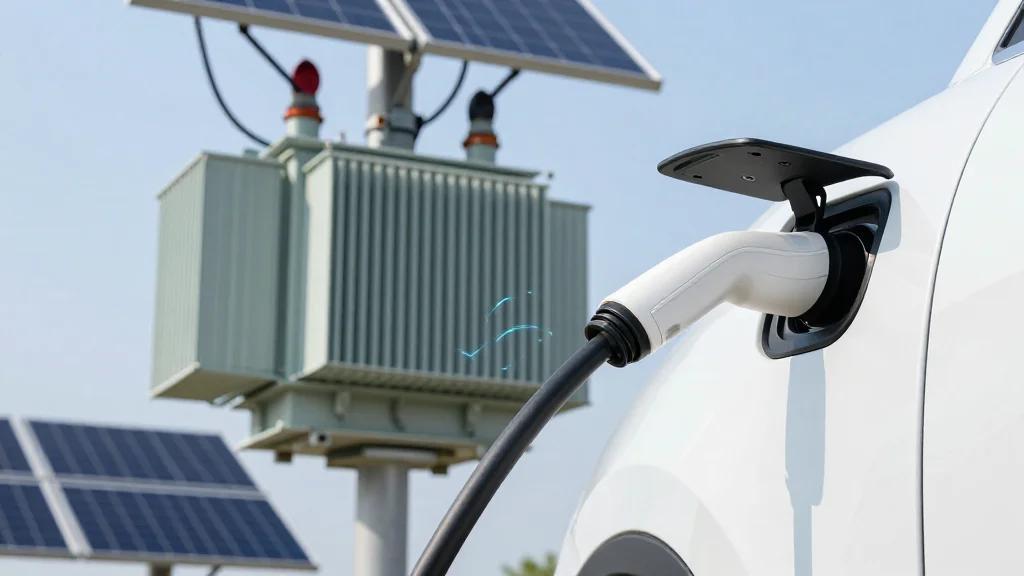
The American grid is being hit from two fronts. On the transmission side, AI‑intensive data centers have caused five‑year peak‑load forecasts to surge nearly sevenfold since 2022, with projections that AI compute could consume up to 12% of national electricity by 2028. These loads are volatile, creating stress points that traditional generation and transmission expansions cannot address quickly—interconnection queues now stretch four to twelve years, and any added capital is passed directly to consumers. Simultaneously, EV adoption is creating localized spikes; as little as 5‑10% EV penetration on a single feeder can push transformers to thermal limits, while lead times for new transformers exceed two years.
Utilities are turning to demand‑side solutions that have already proven their worth. Managed charging programs across the United States now shift 98% of EV load to off‑peak hours, delivering measurable grid benefits without relying on blunt time‑of‑use rates. Quantitative analysis by ev.energy and The Brattle Group estimates up to $30 billion in annual utility cost avoidance by 2035, equating to roughly $575 saved per actively managed vehicle each year. In the United Kingdom, coordinated flexibility services averted £199 million (about $265 million) in infrastructure costs in 2023/24, underscoring the global relevance of such programs.
The next evolution is intelligent, AI‑driven orchestration of multiple distributed energy resources. When an EV, rooftop solar, and residential battery are managed through a unified platform, the combined flexibility far exceeds the sum of its parts: EVs absorb overnight load, batteries store midday solar surplus, and solar output is optimized to reduce feeder stress. This multi‑asset coordination creates a non‑wires alternative that can defer real capital expenditures, keep rates stable, and support equity goals by targeting disadvantaged communities. With regulatory bodies increasingly recognizing DER flexibility as a credible substitute for traditional infrastructure, utilities that act now can capture immediate savings and future‑proof the grid.
The grid is under pressure from two directions. Your customers own the answer.
Comments
Want to join the conversation?
Loading comments...