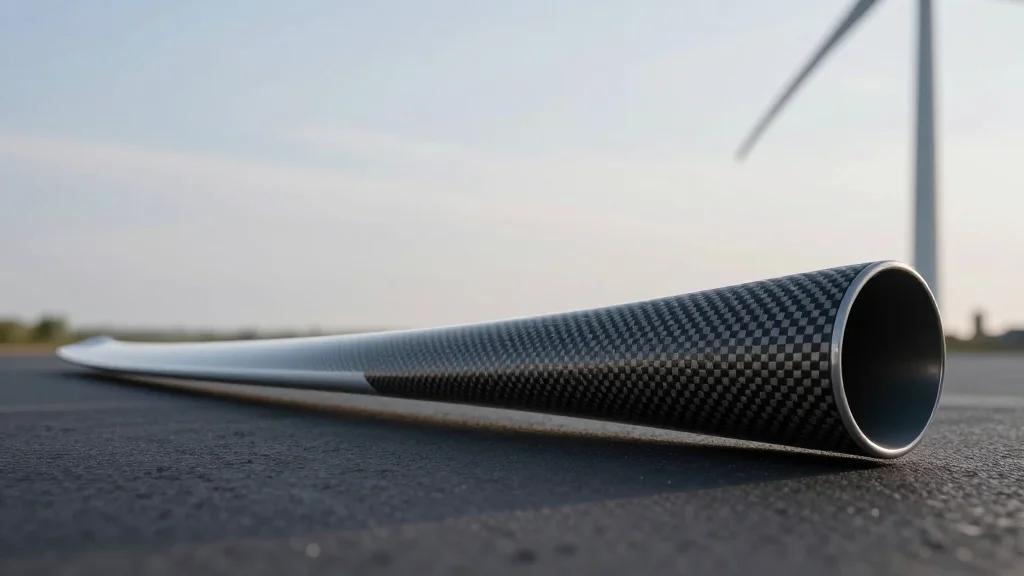
The GWEC 2026 Report Highlights Opportunities for Composites in the Wind Energy Sector
Why It Matters
The surge in wind capacity directly expands the market for advanced composites, making them essential to the next wave of turbine and offshore infrastructure development. Faster adoption also pressures manufacturers to innovate on performance, sustainability, and supply‑chain resilience.
Key Takeaways
- •2025 saw 165 GW added, total capacity exceeds 1,299 GW
- •Asia, led by China and India, drives most new wind installations
- •Larger turbines and offshore projects boost demand for advanced composites
- •Supply chain and regulatory risks could curb growth before 2030 targets
Pulse Analysis
The Global Wind Report 2026 underscores a turning point for the renewable sector, marking 2025 as the year wind power crossed a critical mass. With 165 GW of new capacity installed, the global fleet now tops 1,299 GW, a scale that reshapes energy planning and geopolitical calculations. Nations facing fossil‑fuel supply volatility are accelerating domestic wind projects, turning the technology from a growth story into a foundational grid asset. This shift is especially pronounced in Asia, where China and India together dominate new installations, while nascent markets across Africa and Latin America begin to contribute to the pipeline.
For composites manufacturers, the report translates into a clear growth trajectory. Turbine blades are getting longer and heavier, demanding ever‑lighter, stronger, and more durable composite layups. Offshore and floating wind farms add marine‑grade requirements, while hybrid projects that blend wind with storage, hydrogen, and digital controls raise performance standards for fatigue resistance and recyclability. Companies that can deliver high‑modulus carbon fiber, bio‑based resins, and circular‑economy solutions stand to capture a sizable share of the expanding supply chain, which now includes ports, logistics hubs, and specialized workforce training programs.
Nevertheless, the outlook is not without headwinds. Supply‑chain bottlenecks for raw fibers, regulatory uncertainty around offshore zoning, and social acceptance challenges could slow deployment rates, jeopardizing the sector’s ability to meet 2030 climate targets. To mitigate these risks, industry players are investing in localized production, advanced simulation tools, and sustainability certifications. The convergence of policy support, technological innovation, and market demand positions composites as a strategic enabler of the wind energy boom, provided manufacturers can navigate the evolving risk landscape.
The GWEC 2026 report highlights opportunities for composites in the wind energy sector
Comments
Want to join the conversation?
Loading comments...