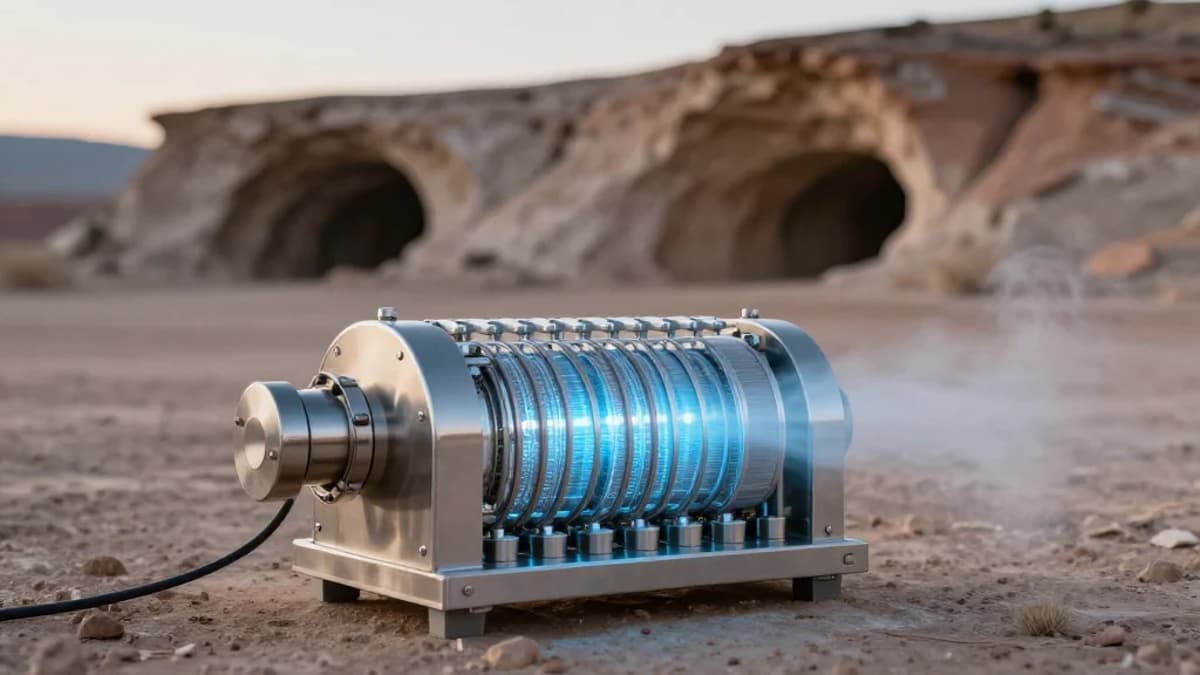
The Hydrogen Stream: ACES 220 MW Utah Project Nears Completion
•February 27, 2026
0
Why It Matters
The ACES Delta hub demonstrates that large‑scale green hydrogen production and ultra‑long‑duration storage are viable, offering a new tool for grid balancing and deep decarbonization of the energy sector.
Key Takeaways
- •220 MW electrolyzer plant nearing operational status
- •Two salt caverns provide 300 GWh total storage
- •Capacity exceeds all U.S. battery storage combined
- •100 tonnes/day green hydrogen output
- •Joint venture between Chevron and Mitsubishi Power
Pulse Analysis
The Utah‑based ACES Delta project marks a turning point for renewable hydrogen infrastructure in North America. By deploying 40 high‑efficiency electrolyzers at full capacity, HydrogenPro is delivering a steady stream of green hydrogen that can be dispatched on demand. The partnership with Chevron New Energies and Mitsubishi Power adds deep industry expertise, ensuring that the project meets both production and safety standards while scaling quickly to meet market needs.
What sets ACES Delta apart is its unprecedented storage solution. Using two underground salt caverns, the hub stores up to 300 GWh of energy—equivalent to two to three times the total capacity of all U.S. grid‑connected batteries. This ultra‑long‑duration storage enables the system to absorb excess renewable generation during periods of low demand and release it during peak load or grid emergencies, effectively acting as a massive hydrogen‑based battery. Such capability addresses one of the biggest challenges for renewable integration: the need for reliable, multi‑day energy reserves.
The broader implications for the hydrogen economy are significant. As utilities and policymakers seek alternatives to traditional battery storage, projects like ACES Delta provide a scalable, low‑emission pathway to balance the grid while supporting sectors such as transportation and industry. The project's success could accelerate investment in similar hubs, stimulate supply‑chain development for electrolyzers, and reinforce the United States’ position in the global green hydrogen race. In a market where decarbonization timelines are tightening, large‑scale, flexible hydrogen storage offers a compelling complement to solar, wind, and conventional battery technologies.
The Hydrogen Stream: ACES 220 MW Utah project nears completion
0
Comments
Want to join the conversation?
Loading comments...