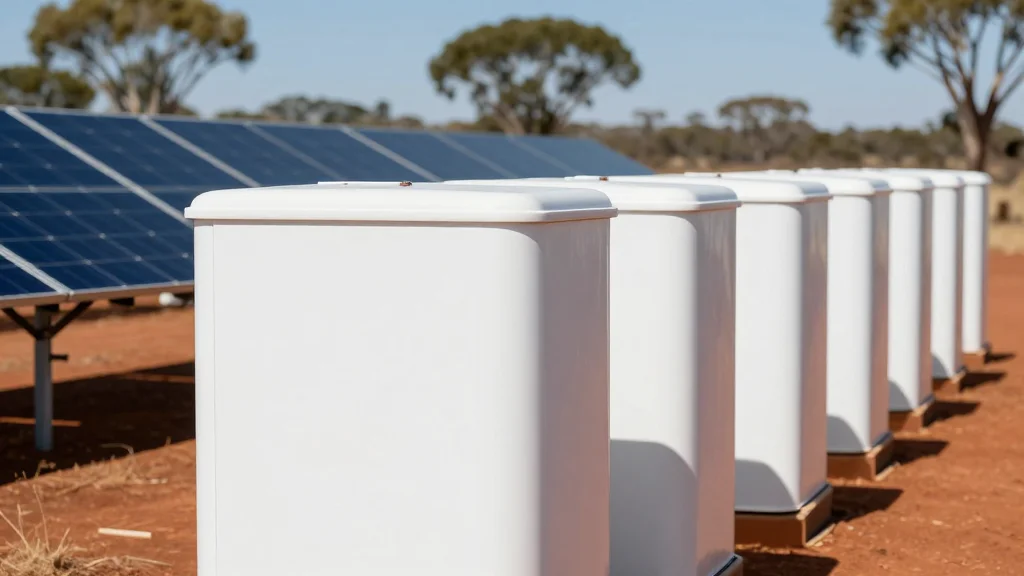
The Kardashev Scale: Australia’s Staggering Energy Transition and Its Untapped Opportunity
Companies Mentioned
Why It Matters
The shift promises energy security, massive cost savings and positions Australia as a global leader in low‑cost renewable power, reshaping export dynamics and domestic industry.
Key Takeaways
- •Electricity demand could double to 500 TWh by 2050.
- •Solar potential exceeds 1,800 TW, 10,000 × domestic needs.
- •Utility‑scale batteries now supply ~1 % of generation, tripling since 2024.
- •EV fleet of 1 M would cut fuel costs by $3.6 billion annually.
Pulse Analysis
Australia’s solar bounty is staggering: roughly 1,800 TW of daylight energy strikes the continent each hour, enough to satisfy the nation’s entire primary energy demand ten thousand times over. When placed on the Kardashev scale, this abundance pushes the country toward a Type I status, far beyond humanity’s current 0.73 rating. The implication is clear—if storage and grid integration keep pace, Australia can convert an almost limitless resource into firm, dispatchable power, dramatically reducing reliance on imported fuels and fossil‑based generation.
Recent data from the National Electricity Market illustrate the speed of change. Coal’s share of generation has fallen from 80 % a decade ago to under 50 % today, while rooftop solar contributes 13 % of total output and utility‑scale batteries have risen to 1 % of generation, a three‑fold increase since 2024. These trends flatten the classic “duck curve,” with midday net loads collapsing and evening ramps steepening, but they also demonstrate that storage is already smoothing intermittency. Continued investment in large‑scale batteries and advanced demand‑response platforms will be essential to fully harness the solar surplus and retire the remaining baseload plants without jeopardising reliability.
The economic upside is compelling. Electrifying transport—one million electric vehicles would need just 2 TWh of electricity annually—could shave $3.6 billion off fuel expenditures, replacing $3.75 billion in imported gasoline with $160 million in electricity costs at 8 c/kWh. Moreover, the low‑cost renewable surplus creates a competitive edge for data‑centres, AI workloads and green‑manufacturing, attracting foreign investment and fostering a sovereign clean‑energy export industry. Policymakers who streamline permitting, incentivize storage deployment, and align market rules with a renewable‑first future will cement Australia’s role as a renewable energy superpower and accelerate humanity’s march up the Kardashev ladder.
The Kardashev Scale: Australia’s staggering energy transition and its untapped opportunity
Comments
Want to join the conversation?
Loading comments...