The Lag Between an Iran Deal and Lower Oil Prices
Why It Matters
The gap between a political announcement and operational reality means oil markets will stay volatile, delaying any relief for consumers and investors.
Key Takeaways
- •Trump claims Strait of Hormuz deal; White House calls draft fabricated.
- •Mine clearance may require two to three months before steady exports.
- •Brent crude trades around $95 a barrel, $25 above pre‑war level.
- •Shipping crews, barnacle cleaning, and new lanes slow resumption of traffic.
- •Even a credible peace could take weeks to impact US gasoline prices.
Pulse Analysis
The latest Trump‑era claim of a negotiated reopening of the Strait of Hormuz has sparked a brief rally in oil futures, but the credibility gap between the president’s post and the White House’s denial underscores a deeper uncertainty. Analysts note that without a verifiable agreement, traders remain cautious, treating the announcement as a speculative catalyst rather than a structural shift. This dynamic illustrates how geopolitical rhetoric can move markets in the short term, yet lasting price stability hinges on concrete diplomatic outcomes.
Even a formal cease‑fire would not instantly restore the flow of petroleum products. The International Energy Agency warns that unexploded mines still litter the waterway, and full clearance could require two to three months of coordinated naval effort. Meanwhile, damaged refineries in Qatar and elsewhere need years to return to full capacity, and many tankers operate with skeleton crews that must be replenished and de‑fouled. Rerouting traffic closer to Iran’s Larak Island adds a strategic choke point, further complicating navigation and extending transit times for shipments bound for East Asia.
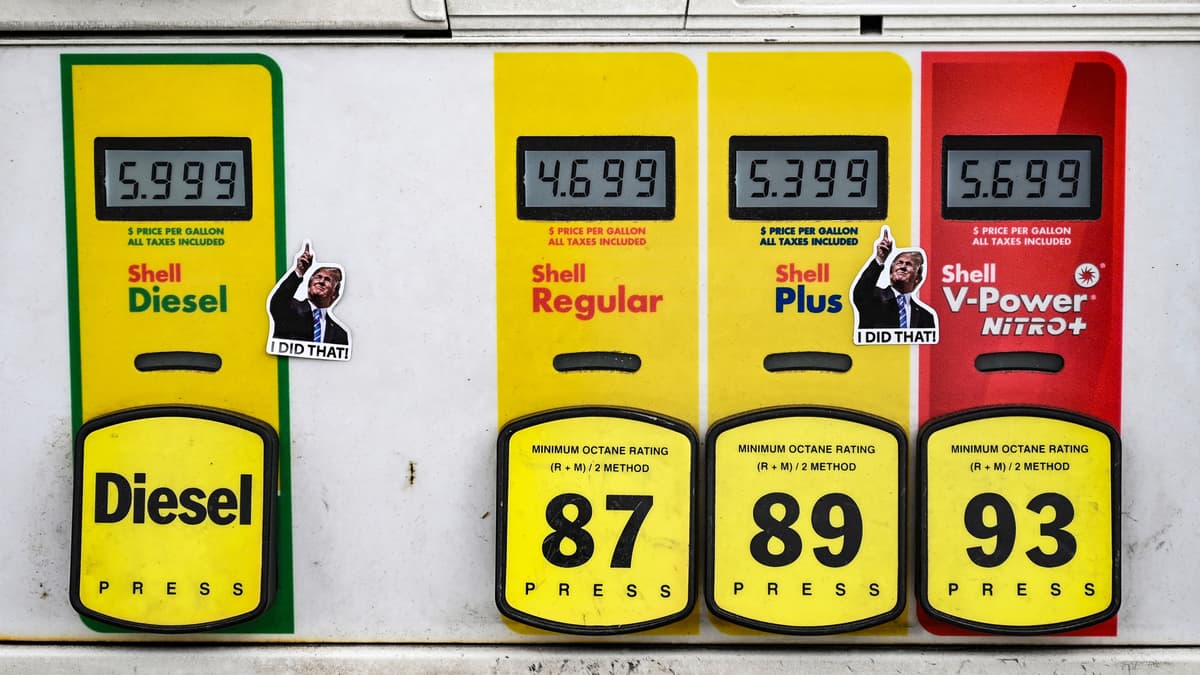
For consumers, the lag translates into sustained elevated fuel costs. Brent crude is hovering near $95 per barrel—about $25 higher than before the conflict—while U.S. gasoline hovers close to $4.50 per gallon. Traders are already pricing in a potential price drop, but the transmission of lower crude prices to retail pumps could take several weeks, if not months, depending on how quickly mines are cleared and shipping lanes normalize. Investors should therefore monitor both diplomatic signals and on‑the‑ground clearance operations, as the convergence of these factors will dictate the next move in energy markets.
The Lag Between an Iran Deal and Lower Oil Prices
Comments
Want to join the conversation?
Loading comments...