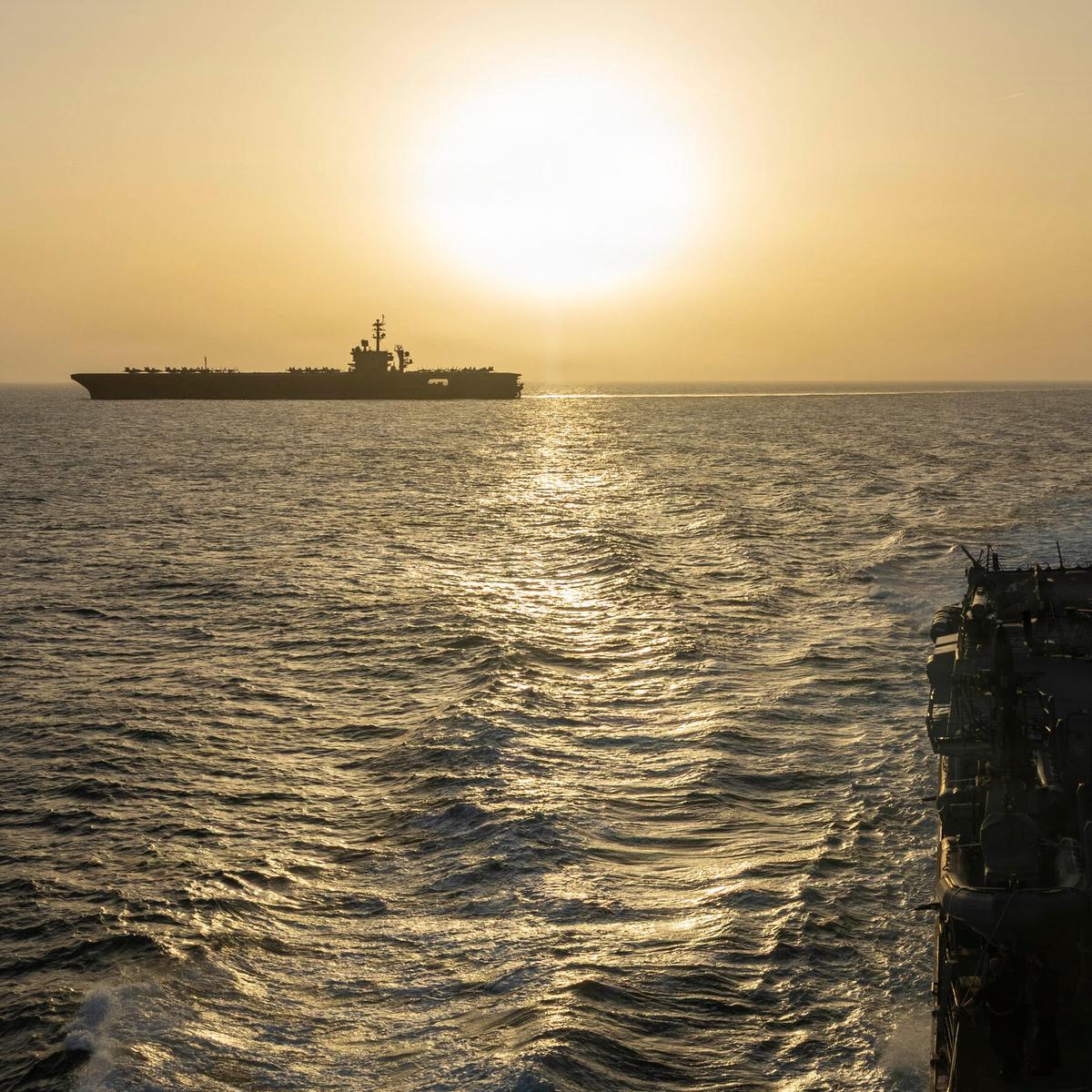
The Peace Rally Gets Derailed
Why It Matters
Disruptions in the Strait of Hormuz threaten a sizable share of global oil supply, amplifying market volatility and forcing investors to reassess risk exposure across energy and broader equity markets.
Key Takeaways
- •Strait of Hormuz shutdown threatens 20% of global oil flow
- •US‑Iran talks stalled as Trump team heads to Pakistan
- •Iranian cargo ship seized, raising risk of retaliation
- •Cease‑fire expires this week, heightening regional instability
- •Markets rise despite oil price surge, showing investor optimism
Pulse Analysis
The Strait of Hormuz, a narrow chokepoint linking the Persian Gulf to the open ocean, handles roughly one‑fifth of the world’s petroleum exports. Recent U.S. actions—most notably the seizure of an Iranian cargo vessel—have reignited Tehran’s vows of retaliation, prompting a de‑facto closure of the passage. This development not only jeopardizes the steady flow of crude and liquefied natural gas but also forces shipping firms to reroute around the Cape of Good Hope, inflating freight costs and extending delivery timelines.
Oil markets have responded swiftly, with Brent crude edging above $90 per barrel and spot prices spiking amid supply‑concern headlines. Yet, equity markets have shown surprising resilience, buoyed by optimism that the conflict may still be contained. Investors are balancing the immediate shock of higher energy costs against longer‑term expectations of a diplomatic breakthrough, a dynamic that fuels short‑term volatility while preserving broader market momentum.
Geopolitically, the episode underscores the intricate dance between Washington, Tehran, and regional allies. President Trump’s delegation traveling to Pakistan signals a bid to reopen dialogue, but Iranian officials’ denial of any negotiation plans deepens mistrust. With the provisional cease‑fire set to lapse this week, the risk of an escalated confrontation looms, potentially drawing in neighboring states and reshaping energy geopolitics. Stakeholders—from multinational oil majors to policy makers—must monitor diplomatic signals closely, as any shift could reverberate through global supply chains and financial markets.
The Peace Rally Gets Derailed
Comments
Want to join the conversation?
Loading comments...