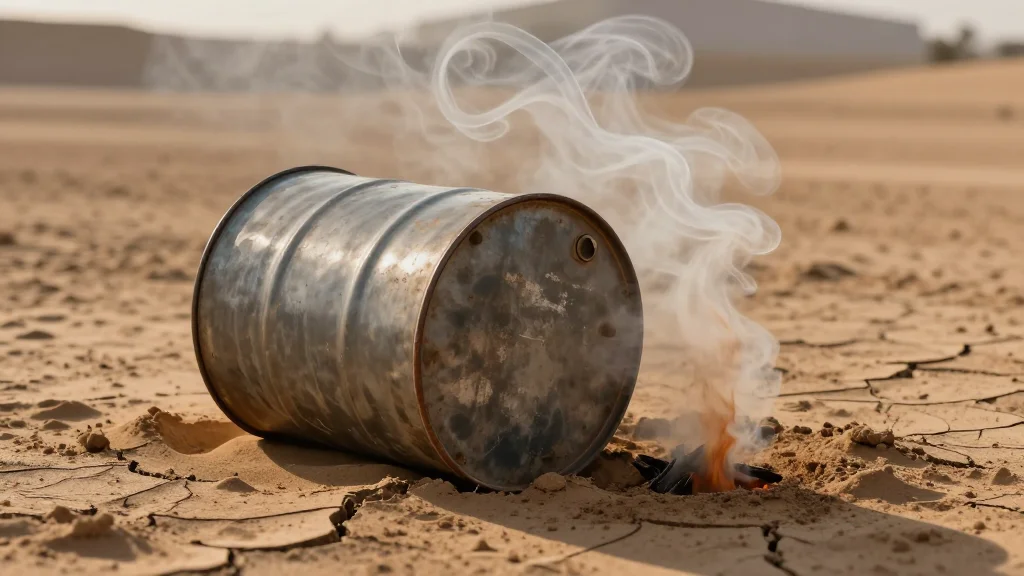
The Petrochemicals Shock That Is Already Rippling Through Plastics
Why It Matters
Rising feedstock costs will tighten plastics supply, pushing up packaging prices and squeezing margins across consumer‑goods manufacturers. The shock underscores the vulnerability of the petrochemical sector to geopolitical events.
Key Takeaways
- •Iran war cuts global oil feedstock volumes.
- •Polyethylene prices jump 30% since conflict began.
- •Asian producers declare force majeure, reducing output.
- •Plastics manufacturers face raw material shortages.
- •Packaging costs likely to rise for consumer goods.
Pulse Analysis
The current geopolitical tension in the Middle East has exposed a hidden dependency in the global chemicals industry: oil is not only fuel but the backbone of petrochemical production. When Iran’s conflict curtails crude flows, the immediate impact is felt in the supply of naphtha and ethane, the primary building blocks for polymers such as polyethylene and polypropylene. Market analysts at BloombergNEF note that even modest reductions in feedstock volumes can translate into disproportionate price spikes because the petrochemical market operates on thin margins and tight inventory buffers.
Polyethylene, the most widely used plastic for packaging, has already seen price increases of roughly 30 percent since the conflict escalated. Several major Asian producers, including facilities in China, South Korea, and Taiwan, have invoked force majeure, temporarily shutting down lines to conserve dwindling feedstock. This contraction tightens supply at a time when demand for single‑use packaging remains robust, especially in e‑commerce and food delivery sectors. Downstream manufacturers are scrambling to secure contracts, often paying premium rates, which inevitably passes higher costs to brands and consumers.
Looking ahead, the shock may accelerate strategic shifts within the plastics value chain. Companies are likely to explore alternative feedstocks such as bio‑based ethylene, invest in recycling infrastructure, and renegotiate long‑term supply agreements to hedge against future disruptions. Policymakers may also consider incentives for circular‑economy solutions to reduce reliance on volatile oil‑derived inputs. In sum, the Iran war serves as a catalyst for both short‑term price volatility and longer‑term transformation in the petrochemical and plastics sectors.
The Petrochemicals Shock That Is Already Rippling Through Plastics
Comments
Want to join the conversation?
Loading comments...