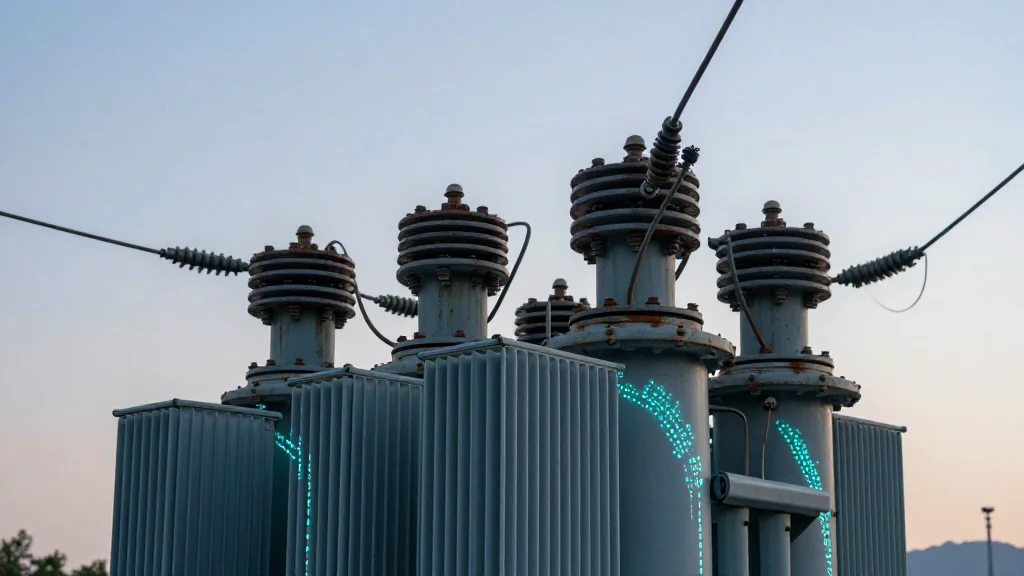
The Power Grid Runs on Decades-Old Devices — and Attackers Know It
Companies Mentioned
Why It Matters
A successful cyber‑attack on the power grid could trigger widespread outages, economic loss, and safety hazards, making robust OT security a critical business imperative for utilities and their customers.
Key Takeaways
- •U.S. utilities have spent $1.3 trillion on grid upgrades in past decade
- •Legacy OT devices lack authentication, making them easy targets for hackers
- •Regulators will enforce internal network monitoring via NERC CIP‑015‑1 by 2030
- •Edge‑based AI analytics cut detection latency and reduce network traffic
- •Digital twins and cross‑functional governance boost grid resilience to attacks
Pulse Analysis
The energy sector is at a crossroads where massive capital infusion meets an aging technological foundation. While utilities have committed more than $2 trillion to modernize transmission and distribution, much of that spending focuses on capacity expansion rather than replacing legacy programmable logic controllers and remote terminal units. These devices were originally designed for isolated, point‑to‑point connections and were never built to withstand the high‑volume, heterogeneous traffic of today’s cloud‑linked networks. As a result, simple vulnerabilities—such as shared credentials and unencrypted Ethernet adapters—provide low‑effort entry points for sophisticated adversaries, a reality underscored by the prolonged presence of Chinese‑linked Volt Typhoon actors inside a Massachusetts utility.
Regulatory pressure is beginning to catch up with the threat landscape. The NERC CIP‑015‑1 standard, effective September 2025, mandates continuous internal network monitoring for high‑impact assets, while the upcoming CIP‑003‑11 rule expands coverage to lower‑impact facilities. These rules shift the focus from perimeter defenses to deep‑packet inspection and anomaly detection across the entire OT environment. Because traditional antivirus solutions cannot be installed on many grid components, utilities are turning to edge‑deployed AI analytics that process telemetry locally, flagging deviations in real time and sending only critical alerts to central SOCs. This approach reduces latency, conserves bandwidth, and scales with the explosion of connected devices such as EV chargers and virtual power plants.
Beyond technology, the grid’s security posture hinges on organizational alignment. Historically, field‑focused OT crews and IT security teams have operated in silos, each prioritizing availability or patch cadence over shared risk. Implementing cross‑functional governance, supported by digital‑twin simulations, enables utilities to model attack scenarios—like a compromised VPP infiltrating substation controls—and rehearse coordinated responses. By marrying proactive vulnerability testing, real‑time edge analytics, and unified leadership, the industry can transform cybersecurity from a compliance checkbox into a resilient, business‑critical capability.
The power grid runs on decades-old devices — and attackers know it
Comments
Want to join the conversation?
Loading comments...