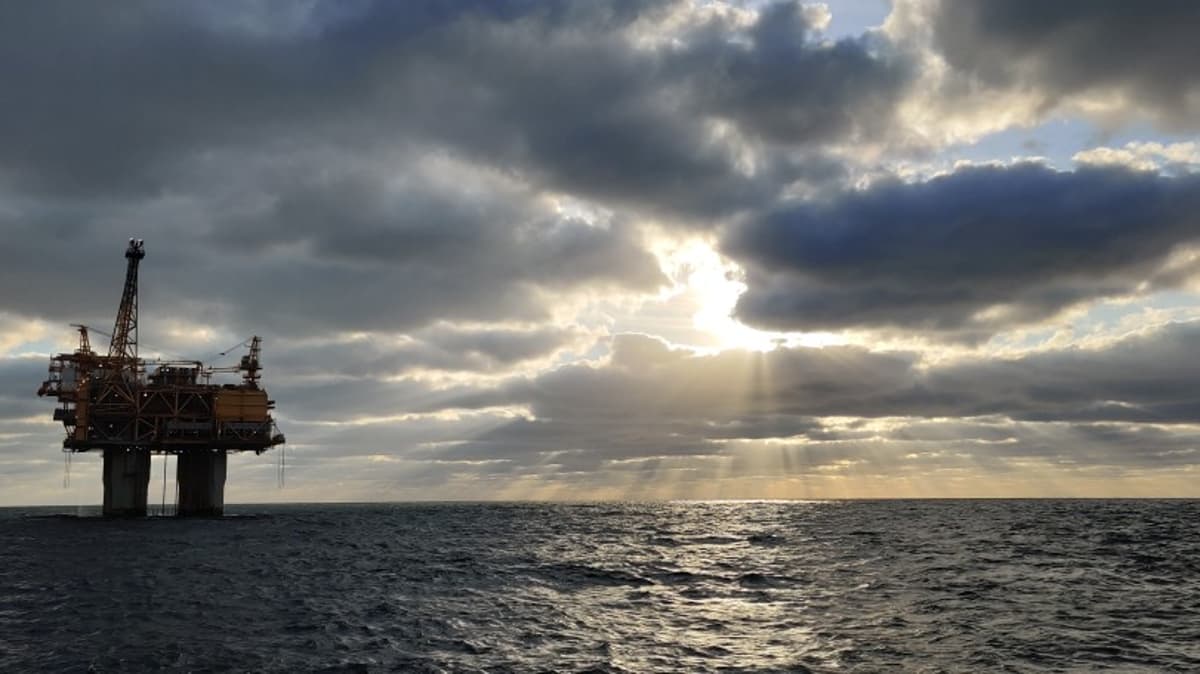
The Promise and Peril of Jamaica’s Offshore Oil Ambitions
Why It Matters
If commercial oil is realized, Jamaica could reduce costly fuel imports and boost public finances, but the move also risks undermining its climate pledges and fragile ecosystems, creating a high‑stakes policy dilemma.
Key Takeaways
- •Hydrocarbons found in Walton‑Morant Basin by United Oil & Gas.
- •Jamaica spends $1.5‑$2 bn annually on imported fuel.
- •Environmentalists warn oil drilling threatens mangroves, reefs, climate goals.
- •Government targets 50% renewable electricity by 2030, needing foreign aid.
Pulse Analysis
Jamaica’s recent offshore surveys have sparked renewed interest in the Caribbean’s emerging oil frontier. United Oil & Gas, holding the exclusive licence for the 22,400‑square‑kilometre Walton‑Morant block, reported hydrocarbon traces in seabed samples, echoing the successes that transformed Guyana and Suriname into major producers. For a nation that imports all of its fuel, spending roughly $1.5‑$2 billion each year, domestic production promises to cut import bills, improve energy security, and generate fiscal windfalls that could fund infrastructure and social programs. Yet the commercial viability of the find remains unproven, and drilling would require substantial capital and technical expertise.
The prospect of offshore drilling collides with Jamaica’s acute climate vulnerability. The island endured Hurricane Beryl in 2024, inflicting $6.5 billion in damages, and faces a $12 billion reconstruction bill after successive storms. Environmental groups warn that drilling near mangroves, seagrass beds and coral reefs could trigger spills that devastate fisheries and tourism, undermining the very sectors needed for post‑disaster recovery. Moreover, Jamaica’s 2017 Paris Agreement commitments and its advocacy for a global phase‑out of fossil fuels create a policy paradox: pursuing new oil while seeking climate finance and moral high ground.
Jamaica’s government is betting on a dual strategy: explore hydrocarbons while accelerating renewable‑energy deployment. The island aims to lift renewable generation from the current 13% to 50% of electricity by 2030, a goal that hinges on foreign investment in solar, wind and hydro projects. High public debt limits domestic financing, making external climate‑friendly capital essential. International donors and multilateral banks could tilt the balance toward clean energy, reducing the incentive to lock in long‑term oil contracts. How Jamaica navigates this crossroads will signal whether small island states can reconcile immediate energy needs with global climate imperatives.
The Promise and Peril of Jamaica’s Offshore Oil Ambitions
Comments
Want to join the conversation?
Loading comments...