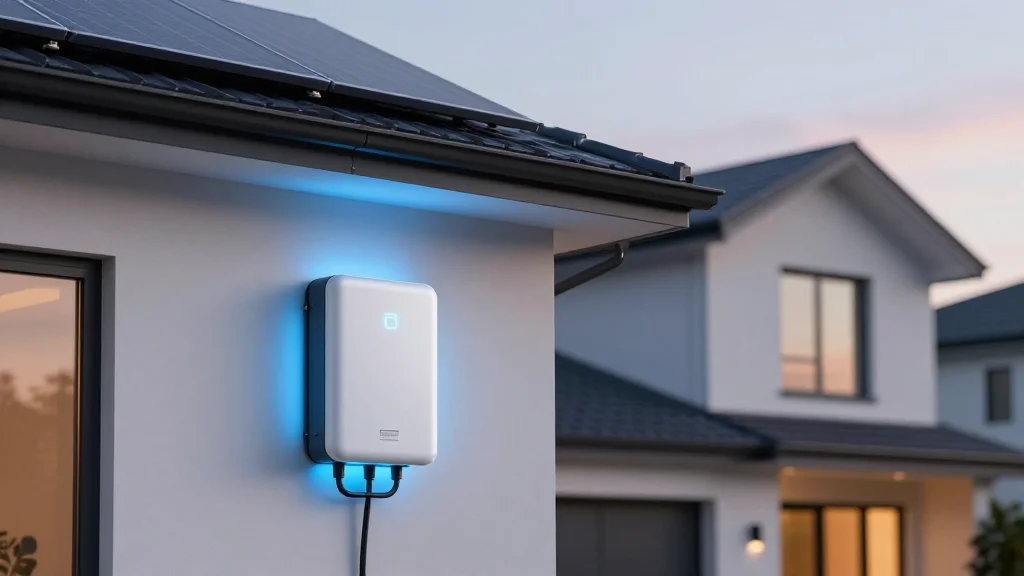
The Quiet Battery: What Household Batteries Reveal About Flexibility Before Full Orchestration
Why It Matters
Passive batteries prove that distributed storage can deliver peak‑shaving benefits without costly orchestration, reshaping utility planning and incentive structures. Recognising this value early accelerates the integration of flexible demand into Australia’s energy transition.
Key Takeaways
- •Passive home batteries cut grid draw by 80% during peak events
- •Value emerges before VPP enrollment, reshaping demand‑side planning
- •Retail tariffs already provide soft coordination for household storage
- •Ladder of participation guides path from household‑first to orchestrated flexibility
- •Inclusive policies needed to extend benefits beyond affluent homeowners
Pulse Analysis
The rise of behind‑the‑meter storage has long been touted as a future pillar of grid flexibility, but AEMO’s recent data shows the benefit is already materialising. During a record‑demand episode in Victoria, thousands of residential batteries operated autonomously – storing daytime solar and discharging at night – and collectively reduced household grid draw by 80 %. This passive behaviour, while not centrally dispatched, demonstrates that distributed assets can act as a de‑facto demand‑side resource, prompting system operators to incorporate such "quiet" flexibility into load forecasts and reliability assessments.
For market designers, the implication is clear: VPPs are not a prerequisite for extracting value from residential storage. Retail tariffs that incentivise charging during low‑price windows already provide a first layer of coordination, effectively shaping demand without complex aggregation. However, as participation scales, the marginal benefit of formal orchestration must be quantified against the costs of data exchange, consumer consent mechanisms, and potential rebound effects. A tiered "ladder of participation" – from household‑first to signal‑shaped to fully orchestrated flexibility – offers a pragmatic framework for utilities and policymakers to design incentives that reward genuine grid support while preserving consumer autonomy.
Equity considerations round out the discussion. Current adoption skews toward homeowners with rooftop solar and capital to invest in batteries, risking a bifurcated "consumers’ grid" that excludes renters and low‑income households. Policy interventions such as shared community storage, financing models, and inclusive tariff designs are essential to broaden participation. By recognising the existing value of passive batteries, shaping incentives that align household and system goals, and inviting deeper coordination only where it adds net benefit, Australia can accelerate a more resilient, cost‑effective energy transition.
The quiet battery: What household batteries reveal about flexibility before full orchestration
Comments
Want to join the conversation?
Loading comments...