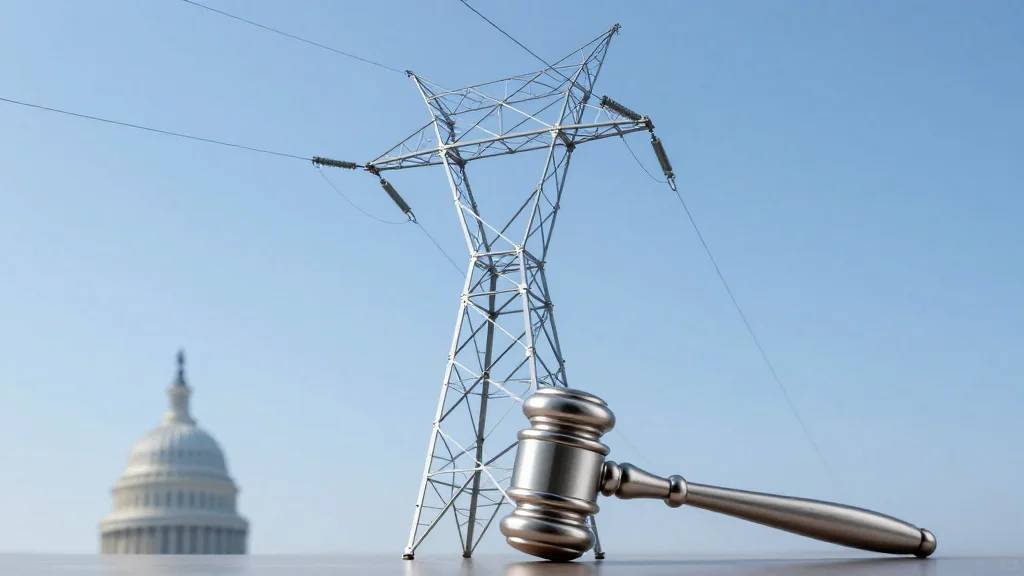
The Time Is Now: Permitting Reform Is the Foundation of America’s Energy Future
Why It Matters
Accelerated permitting will reduce utility costs, improve grid reliability, and enable the massive capacity additions needed to meet soaring electricity demand, directly impacting American households and businesses.
Key Takeaways
- •NERC projects 224 GW summer peak demand increase by 70%
- •Permitting delays raise costs for 2,000 public‑power utilities serving 55 M customers
- •House passed SPEED and PERMIT Acts to standardize and expedite reviews
- •Reform could unlock billions in grid investment and improve reliability
Pulse Analysis
The United States faces an unprecedented surge in electricity demand. The North American Electric Reliability Corporation’s latest Long‑Term Reliability Assessment projects a 224‑gigawatt increase in summer peak load over the next ten years—about a 70 percent rise from earlier forecasts. This growth is fueled by expanding suburbs, the reshoring of manufacturing, and a digital economy that consumes power around the clock. Utilities must expand generation, transmission, and distribution assets at a pace never seen before, or risk chronic shortages and price spikes.
A major barrier to meeting this demand is the fragmented federal permitting system. Projects can languish for years as agencies duplicate reviews, impose conflicting requirements, and lack clear timelines. Recognizing the bottleneck, the House enacted bipartisan legislation, including the SPEED (Standardizing Permitting and Expediting Economic Development) and PERMIT (Promoting Efficient Review for Modern Infrastructure Today) Acts. These bills aim to coordinate agency actions, set enforceable review windows, and preserve environmental rigor while cutting red tape. The accompanying Fix Our Forests Act also addresses wildfire risk, further protecting existing grid assets.
For the nation’s 2,000 community‑owned public‑power utilities—responsible for serving 55 million Americans—permitting reform is a strategic imperative. Faster approvals translate into lower construction costs, more predictable budgeting, and quicker deployment of both dispatchable and renewable resources. By unlocking billions of dollars in investment, the reforms promise stronger reliability, lower rates for consumers, and a more resilient grid capable of supporting economic growth across regions. The Senate’s upcoming vote will determine whether the United States can modernize its infrastructure pipeline and secure its energy future.
The Time Is Now: Permitting Reform Is the Foundation of America’s Energy Future
Comments
Want to join the conversation?
Loading comments...