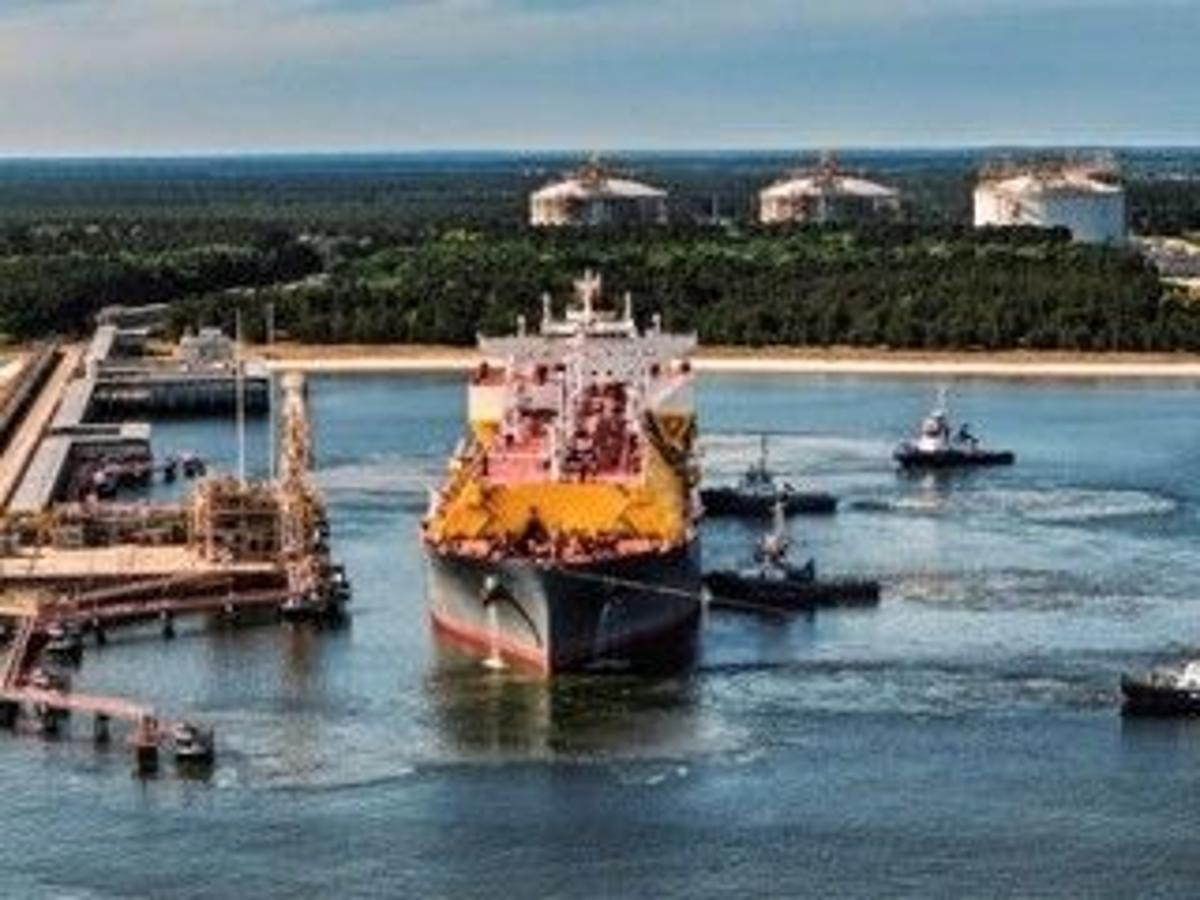
The US Is the Biggest Beneficiary of the EU’s Energy Decoupling From Russia
Why It Matters
U.S. energy dominance creates a fresh strategic dependency that could be weaponized, raising costs for European industry and limiting the bloc’s economic resilience.
Key Takeaways
- •EU gas imports from Russia fell to 12% by 2025.
- •U.S. LNG now supplies 53% of EU gas imports.
- •EU pledged $750 billion for U.S. energy through 2028.
- •European gas prices are three times higher than U.S. rates.
- •Diversification below 50% supplier share recommended for resilience.
Pulse Analysis
Europe’s rapid decoupling from Russian hydrocarbons has been a diplomatic win, yet the vacuum was quickly filled by American liquefied natural gas and oil. By 2025, U.S. LNG accounts for more than half of the EU’s gas imports, while American crude’s share rose to 14%, turning Washington into the continent’s primary energy partner. The $750 billion procurement pact signed in 2025 locks in a massive cash flow to U.S. exporters, but it also entrenches a single‑source dependency that mirrors the very risk Europe sought to escape.
The geopolitical implications are stark. Unlike Russia’s state‑controlled supply chain, the United States leverages market‑driven firms, yet its 2025 National Security Strategy explicitly cites energy exports as a tool for power projection. With European gas prices roughly three times higher than in the United States and gasoline twice as expensive, the cost differential reinforces Washington’s bargaining chip. Should political tensions flare—over issues such as NATO commitments or regional security—the EU could face supply curbs or price spikes, echoing past energy‑weaponization tactics.
Policymakers are therefore urged to adopt concrete diversification thresholds, capping any external supplier’s share well below 50% and preferably at 30% or lower. Coupled with accelerated investment in renewables, nuclear, and domestic critical‑mineral production, such measures would dilute U.S. leverage and lower energy costs. A resilient, multi‑source energy mix not only safeguards Europe’s economic competitiveness but also diminishes the strategic leverage any single exporter can wield over the bloc’s future.
The US is the biggest beneficiary of the EU’s energy decoupling from Russia
Comments
Want to join the conversation?
Loading comments...