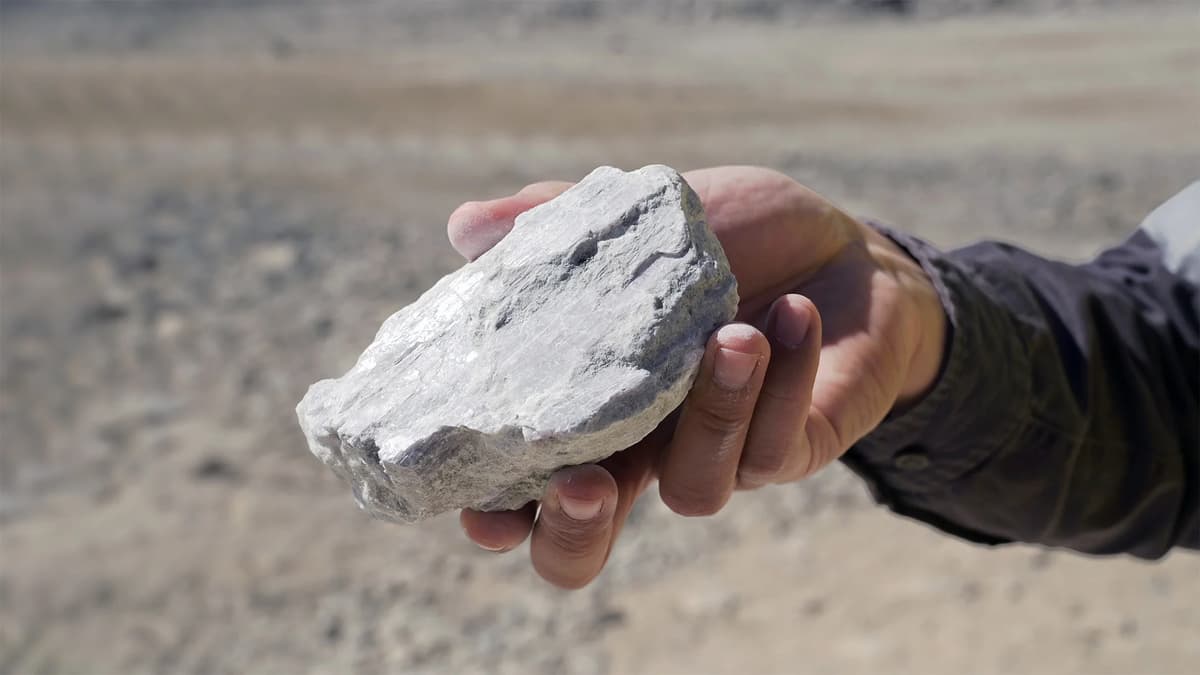
The U.S. May Not Need to Import Lithium for Much Longer
Why It Matters
A domestic lithium source could lower dependence on foreign suppliers, cut tariff costs, and accelerate the U.S. transition to electric mobility. It also strengthens strategic supply chains critical for national security and economic competitiveness.
Key Takeaways
- •USGS reports 2.3 M metric tons lithium oxide in Appalachia.
- •Deposit could replace 328 years of U.S. lithium imports.
- •Enough lithium to power 130 million electric vehicles.
- •Potential to supply 3 billion tablets, laptops, and phones.
- •Domestic source may reduce reliance on Chinese battery imports.
Pulse Analysis
The Appalachian lithium discovery arrives at a moment when the United States is grappling with a stark supply‑chain imbalance. In 2024, U.S. lithium production accounted for just 0.3 percent of global output, while imports—especially from China—have surged to meet the exploding demand for electric‑vehicle batteries and consumer electronics. By quantifying 2.3 million metric tons of lithium oxide, the USGS not only revives a resource that once made the U.S. a leading producer but also offers a tangible answer to the strategic vulnerabilities highlighted by recent tariff policies and geopolitical tensions.
From an economic standpoint, the reserve could reshape the cost structure of the domestic battery market. Analysts estimate that the deposit could power 130 million EVs, potentially reducing the $85 million annual spend on imported lithium‑ion batteries from China. Lower reliance on foreign sources may ease tariff pressures, improve profit margins for U.S. automakers, and attract investment in downstream processing facilities. Moreover, the sheer scale—enough for billions of smartphones, tablets, and grid‑scale storage units—positions the United States to become a hub for battery component manufacturing, creating jobs and fostering innovation in recycling and solid‑state technologies.
Realizing this potential, however, will require navigating regulatory, environmental, and infrastructure hurdles. Mining in the ecologically sensitive Appalachian region faces stringent permitting processes and community opposition, while the development of extraction and refining capacity demands substantial capital. Supply‑chain planners must also address the time lag between resource identification and commercial production, which could span several years. Nonetheless, the discovery underscores a strategic shift toward mineral self‑sufficiency, signaling to investors and policymakers that the United States is poised to secure a critical piece of the global clean‑energy puzzle.
The U.S. May Not Need to Import Lithium for Much Longer
Comments
Want to join the conversation?
Loading comments...