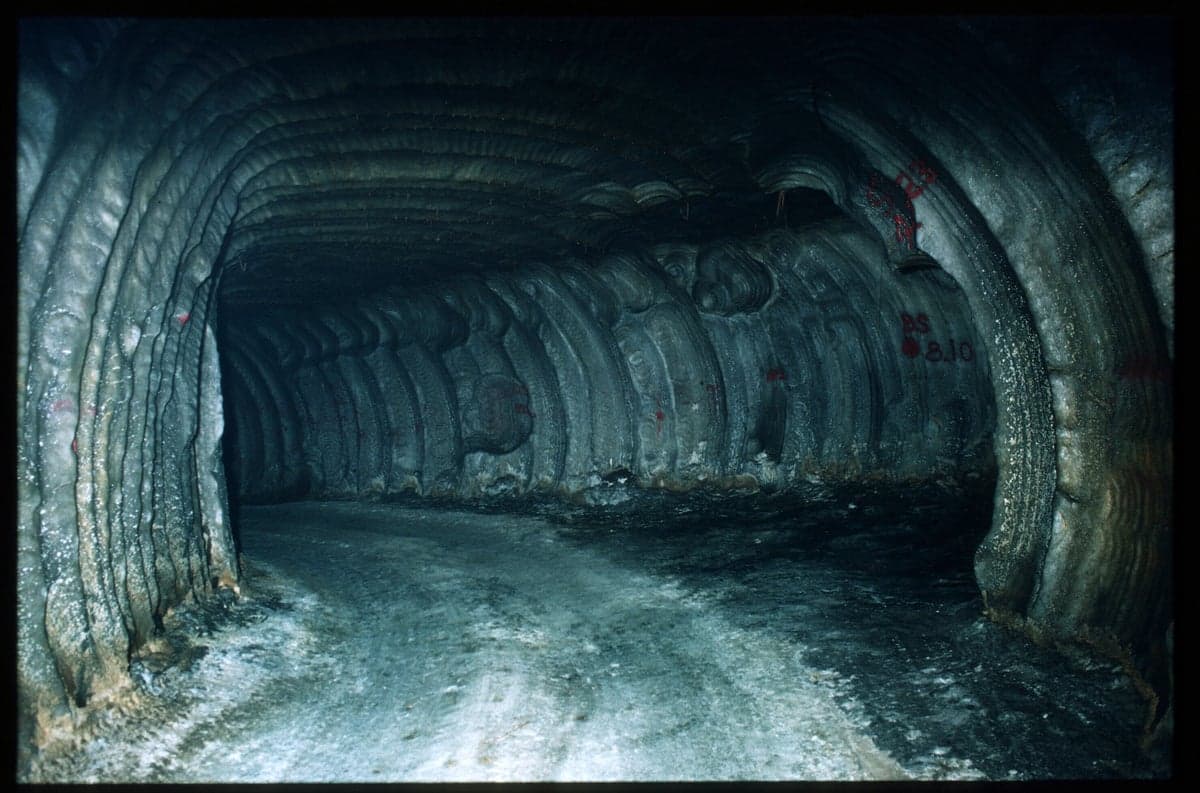
The U.S. Stockpiles Oil in Huge Underground Salt Caverns. Here’s Why
Companies Mentioned
Why It Matters
Depleting the SPR influences global oil prices and underscores the strategic importance of secure, low‑cost storage for energy security. Coordinated drawdowns help stabilize markets while ensuring the U.S. retains a critical buffer against supply shocks.
Key Takeaways
- •SPR has withdrawn 66 million barrels since Iran conflict began.
- •60 salt caverns store 714 million barrels, cheaper than tanks.
- •Salt’s impermeability and self‑healing seal prevent oil leaks.
- •Withdrawals coordinated with IEA to help stabilize global oil markets.
- •Daily pressure monitoring safeguards cavern integrity against earthquakes.
Pulse Analysis
The Strategic Petroleum Reserve’s origins trace back to the 1970s energy crises, but its physical backbone rests on geology millions of years old. Vast Jurassic‑era salt deposits beneath Texas and Louisiana were dissolved to create cavernous chambers that act like giant, self‑sealing bottles. Because salt behaves plastically under pressure, it closes micro‑cracks, offering a near‑perfect barrier against oil migration and external contamination—advantages that make it far cheaper than constructing massive above‑ground tanks or hard‑rock mines.
Since early 2024, the U.S. has tapped the SPR for 66 million barrels to offset supply constraints caused by the Iran‑related war. The drawdown, coordinated with the International Energy Agency’s 31 member nations, aims to keep global oil markets orderly while domestic gasoline prices remain manageable. By releasing oil when prices are high and requiring buyers to refill the reserve later, the policy creates a market‑based buffer that can dampen price spikes without direct fiscal outlays. Analysts note that the timing aligns with a period of relatively low crude prices, allowing the government to “buy low, sell high” in a strategic sense.
Looking ahead, the SPR faces both operational and strategic challenges. Continuous pressure monitoring and seismic surveillance are essential to detect any integrity issues, as even salt can fracture under extreme stress. Replenishment will likely accelerate once oil prices rebound, restoring the reserve toward its 714‑million‑barrel capacity. The combination of geological security, cost efficiency, and policy flexibility ensures the SPR remains a cornerstone of U.S. energy resilience, especially as geopolitical tensions keep global supply chains uncertain.
The U.S. stockpiles oil in huge underground salt caverns. Here’s why
Comments
Want to join the conversation?
Loading comments...