The War-Driven Supply Shock Already Roiling Manufacturing in Asia
Why It Matters
The naphtha crunch threatens to slow high‑value manufacturing in two of the world’s most export‑driven economies, raising costs for consumer goods and exposing the fragility of Asia’s petro‑chemical supply chain.
Key Takeaways
- •Naphtha imports to Japan and South Korea halted by Hormuz blockade.
- •Companies strip color from packaging to conserve ink amid shortage.
- •South Korean firms face plastic‑chemical production delays due to naphtha gap.
- •Experts warn broader manufacturing slowdown by June if supplies not secured.
Pulse Analysis
The Strait of Hormuz, a chokepoint for roughly a third of the world’s oil flow, has been sealed off for over two months following escalating hostilities in the Middle East. While the immediate market reaction focused on crude price spikes and gasoline hikes, the blockade’s ripple effect on naphtha—a light petroleum feedstock derived from crude—has been less visible but equally consequential. Japan and South Korea, which source the bulk of their naphtha from Qatar and Kuwait via the strait, now face an abrupt supply vacuum, forcing refineries to dip into dwindling inventories and prompting urgent import‑re‑routing efforts.
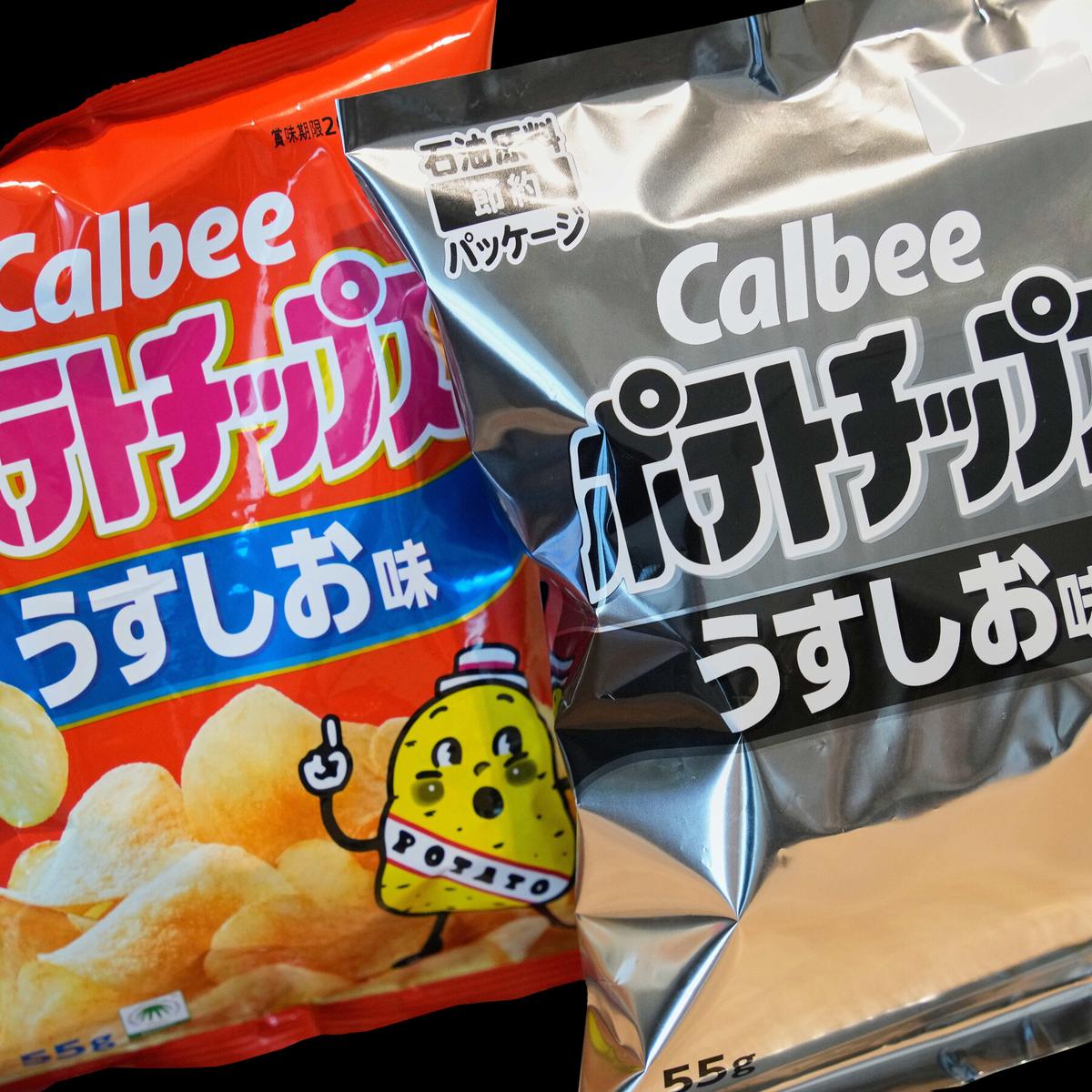
On the factory floor, the shortage is already manifesting in cost‑cutting measures that alter product appearance and performance. Japanese snack maker Calbee, for instance, has switched to monochrome chip bags to conserve ink, while other consumer‑goods firms are stripping color from food packaging to stretch limited naphtha‑derived inks. In South Korea, chemical plants report delays in producing the monomers needed for plastic resins, jeopardizing sectors from automotive components to medical devices. These micro‑adjustments signal a broader strain that could erode profit margins if the supply gap persists.
Looking ahead, the naphtha bottleneck could cascade into a wider manufacturing slowdown across East Asia, especially if alternative feedstock routes are not secured before June. Analysts at Oxford Economics warn that the shock may force firms to diversify away from Middle‑East‑sourced hydrocarbons, accelerating investments in regional petrochemical hubs and potentially spurring a shift toward recycled‑plastic feedstocks. Policymakers may also intervene with strategic stockpiles or diplomatic pressure to reopen the strait. For investors and supply‑chain managers, monitoring naphtha inventories and emerging trade corridors will be critical to navigating the next wave of volatility.
The War-Driven Supply Shock Already Roiling Manufacturing in Asia
Comments
Want to join the conversation?
Loading comments...