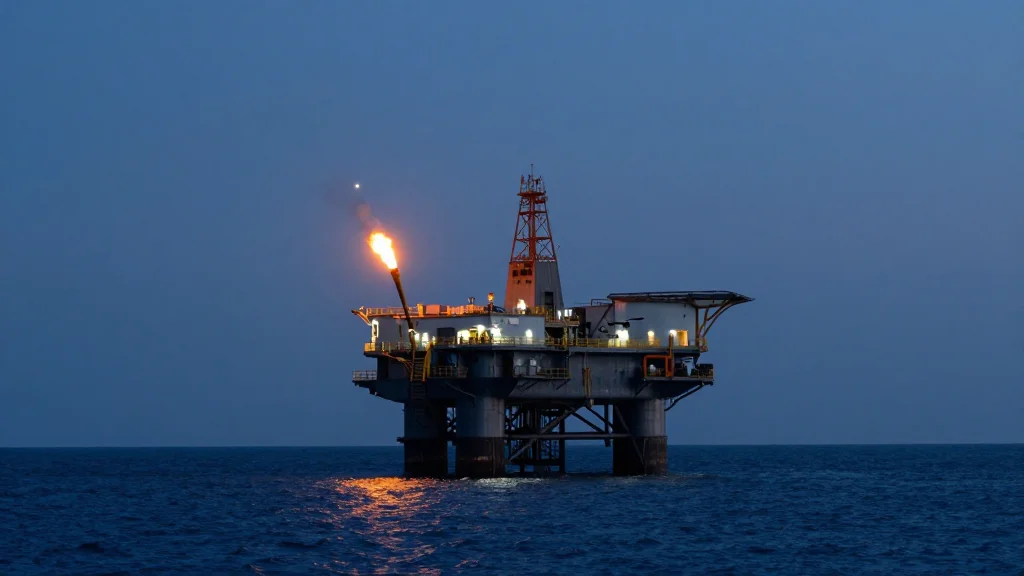
The World Wastes More Gas Each Year Than the Strait of Hormuz Supplies
Why It Matters
Reducing venting and flaring can reclaim a volume of gas larger than the Hormuz supply, strengthening energy reliability while cutting costly methane emissions. This creates a dual win for economic stability and climate mitigation.
Key Takeaways
- •Global venting and flaring exceed 20% of LNG flow through Hormuz
- •112 billion cubic meters lost from Hormuz blockage dwarfed by waste
- •Satellites, drones, and sensors now pinpoint methane super‑emitters globally
- •Policy incentives and smart insurance can finance methane mitigation projects
- •Integrating leak detection into design turns data into actionable cuts
Pulse Analysis
The Strait of Hormuz has long been a strategic chokepoint for liquefied natural gas, delivering roughly one‑fifth of global LNG before the recent conflict disrupted shipments. That interruption forced analysts to confront a paradox: while the world worries about supply shortages, an even bigger loss occurs silently through routine venting and flaring. The 112 billion cubic meters of gas that would have moved through Hormuz each year is now a fraction of the methane that escapes from wells, pipelines and processing plants worldwide, underscoring a hidden inefficiency in the energy system.
Advances in remote sensing have transformed how the industry quantifies waste. High‑resolution satellites, autonomous drones and ground‑based sensors can now locate methane super‑emitters with unprecedented precision, turning diffuse, invisible leaks into actionable data points. This technological leap enables regulators and operators to move beyond mere inventory reconciliation toward targeted mitigation strategies. By integrating real‑time leak detection into operational dashboards, companies can prioritize repairs, optimize flare management, and reduce unnecessary venting, translating environmental stewardship into measurable cost savings.
The path to curbing this waste lies in coordinated policy and financial mechanisms. Carbon pricing, methane‑specific regulations, and insurance products that reward low‑leak operations create economic incentives for rapid action. Investment in mitigation technologies—such as advanced compressors, leak‑tight equipment, and capture systems—can be financed through green bonds or climate‑focused funds. When these tools are embedded into system design and planning, the industry can reclaim gas volumes that exceed the lost Hormuz supply, enhancing energy security while delivering tangible climate benefits.
The World Wastes More Gas Each Year Than the Strait of Hormuz Supplies
Comments
Want to join the conversation?
Loading comments...