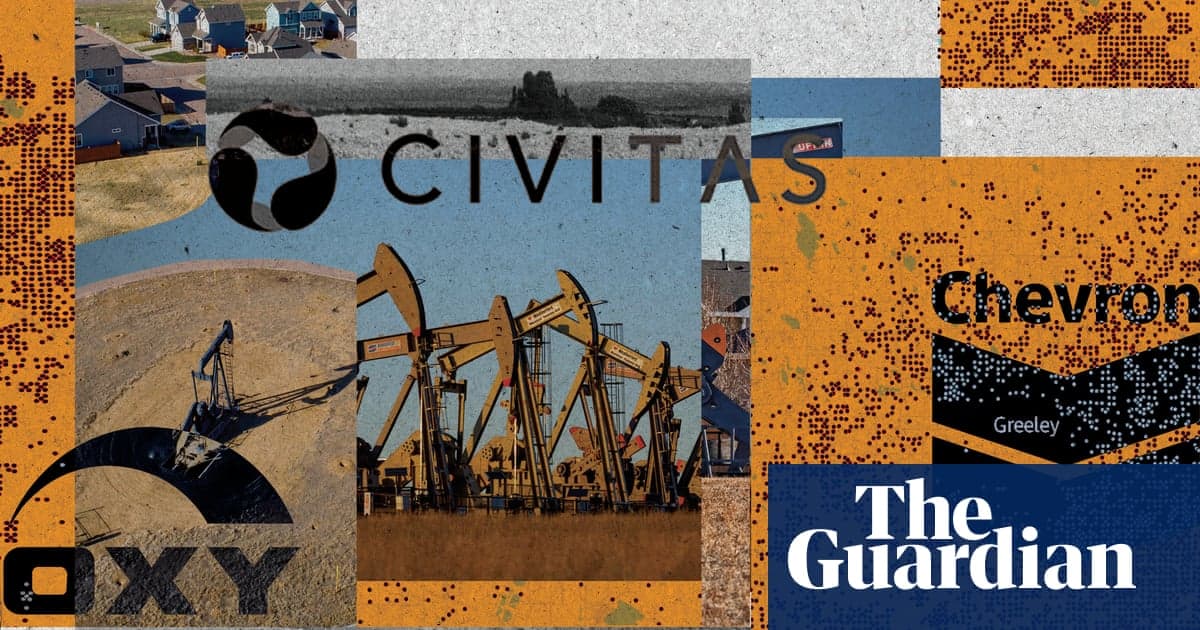
There Are Thousands of Dirty Old Drill Sites in Colorado. The State Gave Oil Firms a $1bn Pass
Why It Matters
By eroding financial guarantees, Colorado places the cost of toxic site remediation on the public, undermining environmental safeguards and setting a risky precedent for other oil‑rich states facing similar decommissioning challenges.
Key Takeaways
- •Colorado regulators waived over $1 bn in cleanup bonds for Big Three
- •Only $146 m collected, about 7% of estimated liability
- •14,600 plugged wells lack any financial assurance
- •Cleanup backlog could take decades at current pace
- •SB‑181 aimed full bonding, but loopholes cut enforcement
Pulse Analysis
Colorado’s oil and gas boom left a sprawling legacy of abandoned wells, storage tanks and underground pipelines that continue to leach benzene, hydrocarbons and other toxins into soil and groundwater. The state’s Energy and Carbon Management Commission (ECMC) is tasked with securing financial assurance—essentially a bond that guarantees funds for plugging and remediation. Yet a deep‑dive of ECMC records shows the commission has effectively written off more than $1 billion in required bonds for Chevron, Occidental and Civitas, allowing thousands of sites to remain unaddressed while the public bears the risk.
The 2019 SB‑181 law was designed to close the “orphan‑well” loophole by mandating bonds that cover the full estimated cleanup cost—about $140,000 per well. In practice, regulators introduced production‑based tiers that let high‑output operators pay as little as $1,500 per well, and they even excluded already‑plugged wells from the calculation. This regulatory gymnastics reduced the total bonding from a potential $1.3 billion to just $146 million, roughly 7% of the true liability. The result is a staggering backlog of over 14,600 dead wells and 6,200 active spill sites, many of which continue to emit hazardous chemicals, eroding community health and property values.
Colorado’s experience mirrors a national crisis: the United States faces more than 2 million orphaned wells, with decommissioning costs projected above $150 billion. When states fail to enforce robust bonding, the financial burden shifts to taxpayers and local governments, stalling development and prompting legal battles. Policymakers must tighten bonding requirements, close exemption loopholes, and ensure that operators cannot sidestep their cleanup obligations. Strengthening financial assurance not only protects the environment but also safeguards the fiscal health of jurisdictions dependent on oil and gas revenues.
There are thousands of dirty old drill sites in Colorado. The state gave oil firms a $1bn pass
Comments
Want to join the conversation?
Loading comments...