These Solar Modules Mimic Tile, Other Building Material
Why It Matters
Aesthetic‑friendly solar panels could unlock installations on heritage buildings and dense urban facades, expanding the addressable market for BIPV solutions. The technology balances visual integration with minimal efficiency loss, addressing a key barrier to wider solar adoption.
Key Takeaways
- •Fraunhofer ISE created light‑sensitive film for PV modules
- •Laser‑etched patterns let panels mimic tiles, masonry, or railings
- •Film reduces efficiency slightly, keeping modules around 95% efficient
- •Technology applicable to existing PV and solar‑thermal modules
- •Commercial rollout expected within 2‑3 years via electroplating
Pulse Analysis
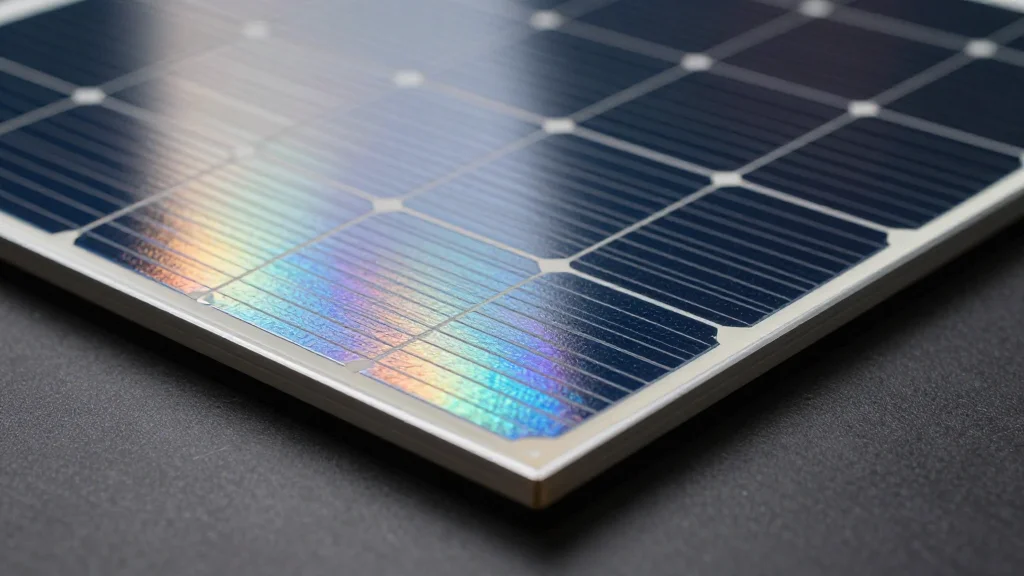
The new Fraunhofer film tackles one of the most stubborn obstacles to building‑integrated photovoltaics: visual compatibility. By etching microscopic 3‑D photonic structures onto a transparent coating, panels can reflect sunlight in patterns that reproduce the hue and texture of traditional roofing or façade materials. This approach sidesteps pigments, which can degrade, and instead relies on interference effects that remain vivid across viewing angles—an advantage for historic districts where preservation guidelines often prohibit modern‑looking installations.
Efficiency concerns have traditionally limited colored or textured solar solutions, but the Fraunhofer coating only trims performance by a few percentage points, leaving modules at roughly 95% of their baseline output. That places them on par with many conventional panels, especially as the industry pushes higher cell efficiencies. The process hinges on nickel/copper electroplating, a technique already familiar to semiconductor manufacturers, suggesting a relatively smooth transition from lab to line. Fraunhofer’s own timeline projects a market‑ready product within two to three years, assuming modest capital investment for the new plating step.
If adopted, the technology could reshape the BIPV landscape in Europe, North America and emerging markets where aesthetic constraints have slowed solar penetration. Architects and developers would gain a material that blends seamlessly with historic brickwork, slate roofs or even decorative railings, unlocking rooftop space that was previously off‑limits. Moreover, the ability to retrofit existing PV and solar‑thermal modules expands the addressable stock without requiring full system replacements, enhancing the sustainability profile of solar retrofits. As municipalities tighten climate mandates, a visually harmonious solar option could become a decisive factor in meeting renewable‑energy targets while preserving urban character.
These solar modules mimic tile, other building material
Comments
Want to join the conversation?
Loading comments...