Third-Party Technologies for Preventing or Dealing with Thermal Runaway in BESS Assets
Companies Mentioned
Why It Matters
Thermal‑runaway incidents can cripple utility‑scale storage projects, drive costly downtime, and trigger regulatory penalties; effective mitigation safeguards assets, protects public safety, and preserves investor confidence.
Key Takeaways
- •LFP cells dominate new grid‑scale BESS, reducing runaway risk
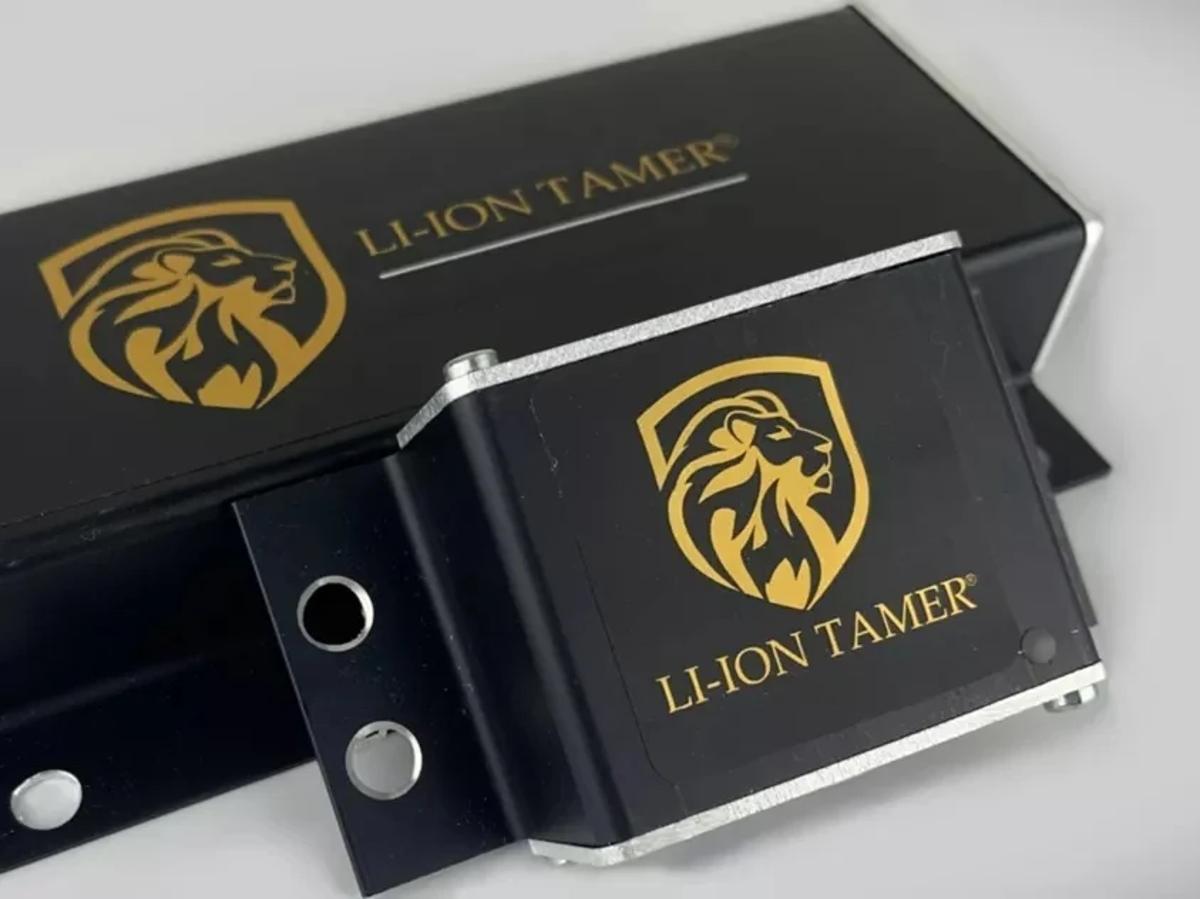
- •Xtralis/Honeywell Li‑ion Tamer detects off‑gas from 100 sensors per controller
- •EticaAG’s dielectric immersion coolant removes hotspots and prevents cell shorts
- •StatX aerosol units suppress fires without piping, suitable for retrofits
- •Siemens Sinorix NXN N₂ injects nitrogen to quench BESS fires
Pulse Analysis
The rapid adoption of lithium‑iron‑phosphate (LFP) chemistry has reshaped the safety landscape for grid‑scale battery energy storage systems (BESS). Unlike the older nickel‑manganese‑cobalt (NMC) packs that powered the ill‑fated Moss Landing project, LFP cells tolerate higher temperatures and mechanical stress, reducing the likelihood of thermal runaway. Coupled with outdoor, compartmentalized enclosures, the new design philosophy limits fire propagation. Meanwhile, standards such as NFPA 855 and UL9540A now mandate large‑scale fire testing, forcing developers to prove that containment measures work under worst‑case conditions.
Beyond intrinsic chemistry improvements, third‑party hardware solutions are emerging as critical layers of defense. Off‑gas detection platforms like Xtralis and Honeywell’s Li‑ion Tamer continuously monitor VOCs, hydrogen, and carbon monoxide, alerting operators before a cell ignites. Dielectric immersion cooling from EticaAG submerges cells in non‑conductive fluid, eliminating hotspots and providing uniform heat removal. Both technologies integrate with existing battery‑management systems, offering proactive risk reduction without redesigning the entire BESS architecture.
When prevention fails, active suppression becomes essential. StatX’s aerosol units deliver fine potassium particles that interrupt combustion chemistry, while Siemens’ Sinorix NXN nitrogen system displaces oxygen to smother flames—both options can be retrofitted into existing racks. At the cell level, Tecman’s anti‑thermal‑propagation pads act as thermal barriers, preventing heat transfer between neighboring cells. Together, these solutions give project owners a menu of options to match budget, site constraints, and regulatory expectations, ultimately enhancing reliability and protecting the growing renewable‑energy infrastructure.
Third-party technologies for preventing or dealing with thermal runaway in BESS assets
Comments
Want to join the conversation?
Loading comments...