This Supreme Court ‘Victory’ for Oil Giants Is Not What It Seems
Why It Matters
Moving the case to federal court could delay compensation for Louisiana’s parishes and set a precedent for industry‑friendly venues, while the state’s coastal erosion threatens billions in economic and ecological value.
Key Takeaways
- •Supreme Court moved $745M Chevron wetland case to federal court
- •Federal venue seen as more industry‑friendly, delaying parish compensation
- •Louisiana’s coastal loss continues; 3,000 sq mi projected by 2050
- •Governor Landry cancelled $3B sediment diversion project, hindering restoration
- •Climate‑disclosure lawsuits remain separate from this jurisdictional ruling
Pulse Analysis
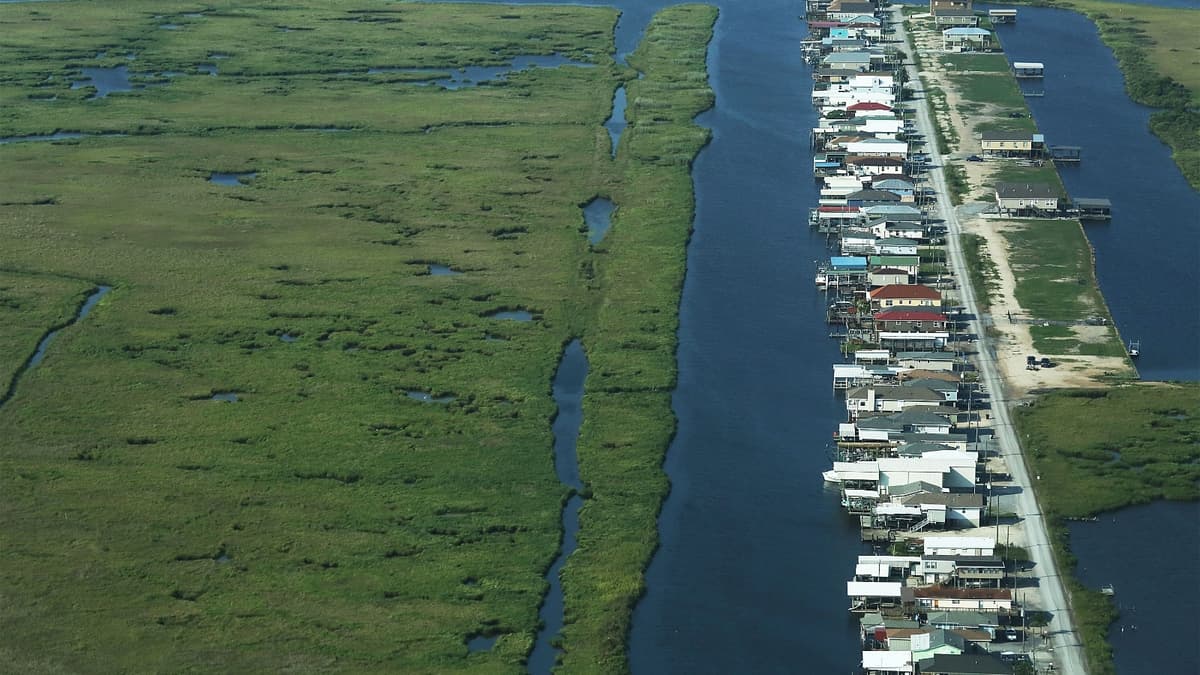
Louisiana’s coastline has been reshaped by human engineering and climate change for over a century. Dams and levees tamed the Mississippi River, curbing its natural sediment flow that once built new land. Combined with oil‑and‑gas canal digging, rising seas and subsidence have erased more than 2,000 square miles of wetlands, a loss equivalent to a football field disappearing every 100 minutes. The stakes are high: wetlands buffer storm surges, support fisheries, and underpin a multi‑billion‑dollar coastal economy.
The Supreme Court’s recent order to shift Plaquemines Parish’s $745 million judgment against Chevron to federal court is a procedural pivot rather than a substantive victory for the oil industry. Federal courts traditionally favor corporate defendants, and the move forces the case into a venue where Chevron can leverage broader federal statutes on navigable waters and military contracting. While the ruling delays any immediate payout to the parish, it also restarts litigation, meaning the underlying liability remains unresolved and could still result in a substantial award.
Beyond the Chevron case, the decision underscores the fragile political landscape of Louisiana’s restoration agenda. Governor Jeff Landry’s cancellation of the $3 billion Mid‑Barataria Sediment Diversion Project—once a flagship of the state’s coastal master plan—has left a funding gap that the federal lawsuit was expected to help fill. As other states pursue climate‑disclosure suits against oil majors, the Louisiana jurisdictional battle highlights how legal strategy, rather than environmental science, often dictates the pace of remediation. Stakeholders must therefore navigate both courtroom tactics and policy advocacy to secure the resources needed to stem the Gulf’s accelerating land loss.
This Supreme Court ‘victory’ for oil giants is not what it seems
Comments
Want to join the conversation?
Loading comments...