'This War Is a Reckoning for Our Energy System – the Green Solution Is Clear'
Why It Matters
Renewable‑based liquid fuels can safeguard energy supply while meeting net‑zero targets, reducing reliance on volatile oil markets.
Key Takeaways
- •Crude production flat for decade; supply shortage looming
- •Green hydrogen/ammonia replace diesel, jet, marine fuels
- •Modular “Lego‑block” tech cuts costs, enables replication
- •Giga‑scale projects in stable regions boost resilience
- •Policy acceleration needed for strategic renewable fuel infrastructure
Pulse Analysis
The global energy system has relied on crude oil for decades, yet production has stagnated for more than ten years. The recent closure of the Strait of Hormuz highlighted how quickly supply shocks can translate into economic strain, prompting governments to reconsider the security of heavy fuels. While natural‑gas liquids have been touted as a stop‑gap, they cannot replace diesel, jet or marine fuels at scale. This structural vulnerability, amplified by geopolitical tensions, creates a compelling case for a decisive shift toward renewable‑based liquid fuels.
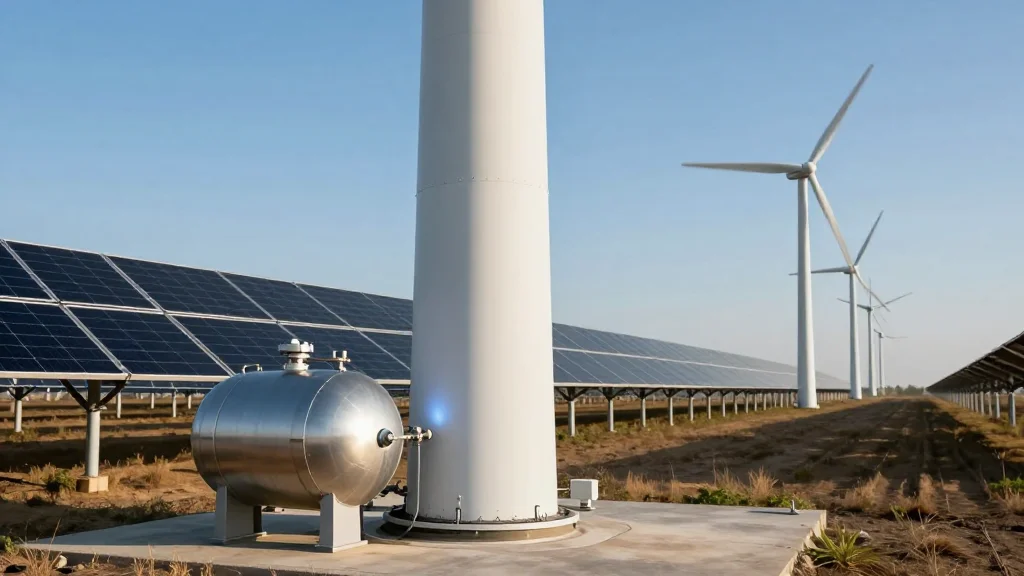
Wind and solar installations now generate electricity cheap enough to power electro‑lysis at gigawatt scale, turning water into green hydrogen and, subsequently, green ammonia. Projects such as Australia’s Renewable Energy Hub and the Western Green Energy Hub already demonstrate that a single site can produce enough fuel to service a nation’s transport sector. The emergence of modular “Lego‑block” reactors, exemplified by the P2(H₂)Node, reduces capital intensity and accelerates deployment across diverse jurisdictions. As economies of scale drive down levelized cost of fuel, renewable‑derived hydrocarbons become economically competitive with fossil alternatives.
Realising this potential requires coordinated policy and capital. Governments must classify large‑scale renewable fuel plants as strategic infrastructure, offering streamlined permitting, tax incentives, and long‑term offtake contracts. Private investors, attracted by predictable revenue streams, can fund the next generation of giga‑scale hubs in politically stable regions, diversifying supply chains and insulating markets from future shocks. Beyond energy security, scaling green hydrogen and ammonia aligns with net‑zero commitments, delivering zero‑emission transport fuels while preserving economic growth. The window to act is narrow; accelerated deployment will define the resilience of the global energy system for the coming decades.
'This war is a reckoning for our energy system – the green solution is clear'
Comments
Want to join the conversation?
Loading comments...