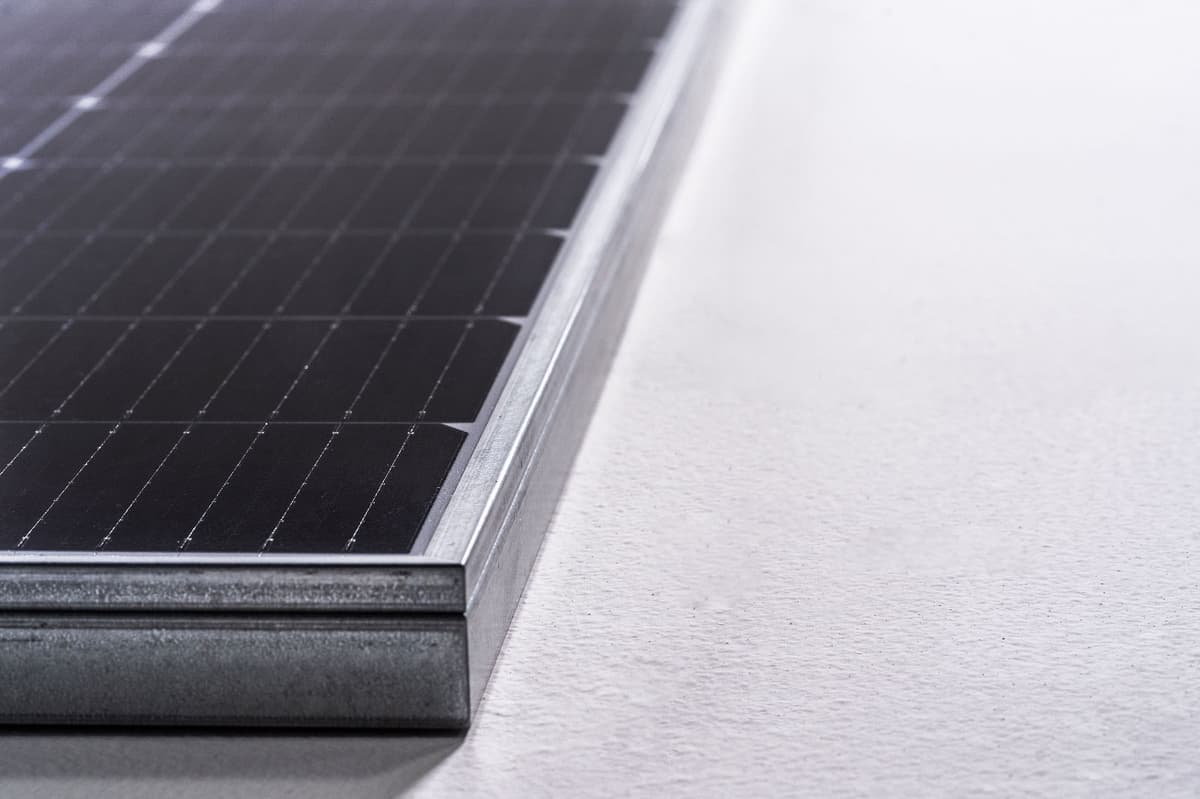
Thornova Solar to Use Nextpower Steel Frames in some Solar Panel BOMs
Companies Mentioned
Why It Matters
Incorporating domestically produced steel frames enhances module durability while meeting policy‑driven domestic‑content goals, giving Thornova a competitive edge in the fast‑growing U.S. solar market.
Key Takeaways
- •Thornova adopts Nextpower’s universal steel frames for US modules.
- •Steel frames cut deflection and glass breakage risk in high‑wind zones.
- •U.S.-made frames increase domestic content and supply chain resilience.
- •Integration targets utility‑scale and commercial‑industrial solar projects.
- •Improves project economics by reducing mechanical failure costs.
Pulse Analysis
The structural backbone of a solar module has become a focal point for developers seeking higher reliability in increasingly aggressive climates. Traditional aluminum frames, while lightweight, can flex under wind loads, leading to glass fracture and costly downtime. Nextpower’s universal steel module frame addresses these shortcomings by offering superior stiffness, reduced deflection, and enhanced resistance to uplift forces. Thornova Solar’s decision to embed these frames into its U.S. manufacturing line reflects a broader industry shift toward more robust, steel‑based solutions, especially for projects in the Midwest and Southeast where wind events are frequent.
Beyond performance, the partnership advances supply‑chain resilience by sourcing frames from a domestic steel producer. With the Inflation Reduction Act rewarding higher domestic content, developers can capture tax credits and avoid import‑related delays. Thornova’s integration of U.S.-made steel frames therefore aligns with policy incentives while lowering exposure to geopolitical disruptions. The added mechanical durability also translates into lower operation‑and‑maintenance expenses, improving the levelized cost of electricity for utility‑scale and commercial‑industrial (C&I) installations.
Analysts expect the steel‑frame model to gain traction as more installers confront extreme weather patterns and tighter financing criteria. Thornova’s early adoption positions it to capture market share from rivals still reliant on aluminum, offering a clear value proposition to EPCs and owners seeking lower risk and higher domestic content. As the technology matures, economies of scale could further reduce steel frame pricing, making it a cost‑competitive alternative across the United States. The move signals a pivotal step toward a more resilient, American‑sourced solar supply chain.
Thornova Solar to use Nextpower steel frames in some solar panel BOMs
Comments
Want to join the conversation?
Loading comments...