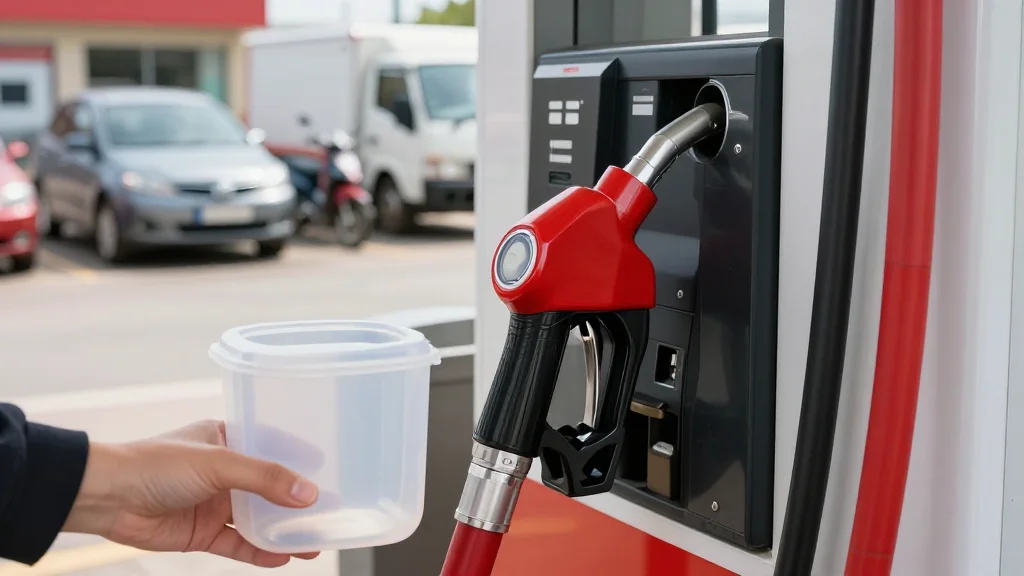
Thousands of Motorists Throng Fuel Outlets Fearing Petrol, Diesel Shortage in Andhra Pradesh
Why It Matters
A perceived fuel shortage can trigger panic buying, disrupt transport, and pressure state economies, making swift government reassurance critical.
Key Takeaways
- •Motorists line up at pumps in Rajahmundry and Vijayawada.
- •Fuel retailers report 70‑80% of stations may run dry.
- •State officials urge calm, deny any supply shortage.
- •Transport minister orders contingency plans for public transit.
- •Potential hoarding could exacerbate perceived fuel crisis.
Pulse Analysis
India’s fuel supply chain is highly centralized, with major oil majors allocating product to regional dealers on a weekly basis. When those allocations are trimmed— as happened last week in Andhra Pradesh—retailers scramble to ration stock, and rumors of scarcity spread quickly through social media. This dynamic often fuels a feedback loop: limited supply prompts panic buying, which in turn accelerates depletion, creating a self‑fulfilling shortage perception even when overall inventories remain adequate.
In Andhra Pradesh, the panic manifested in long queues at stations in Rajahmundry, Vijayawada and surrounding districts. Retail association leaders warned that up to 80% of outlets could face empty tanks within 24 hours, prompting the state’s district collector and transport minister to issue coordinated statements. Their messages emphasized normal supply levels, discouraged bulk purchases, and instructed transport operators to arrange alternative fuel logistics to keep buses and trucks running. Such rapid, unified communication aims to stabilize consumer confidence and prevent disruptions to the state’s logistics network, which underpins agricultural and industrial output.
The episode underscores broader market implications. Persistent rumors of fuel scarcity can depress consumer sentiment, affect vehicle‑related sales, and pressure policymakers to intervene, sometimes leading to price controls or emergency imports. For businesses, the lesson is to maintain transparent inventory reporting and engage proactively with regulators during supply shocks. Consumers benefit from clear guidance that discourages hoarding, thereby preserving equitable access. As India’s demand for mobility grows, ensuring resilient fuel distribution and effective crisis communication will remain pivotal for economic stability.
Thousands of motorists throng fuel outlets fearing petrol, diesel shortage in Andhra Pradesh
Comments
Want to join the conversation?
Loading comments...