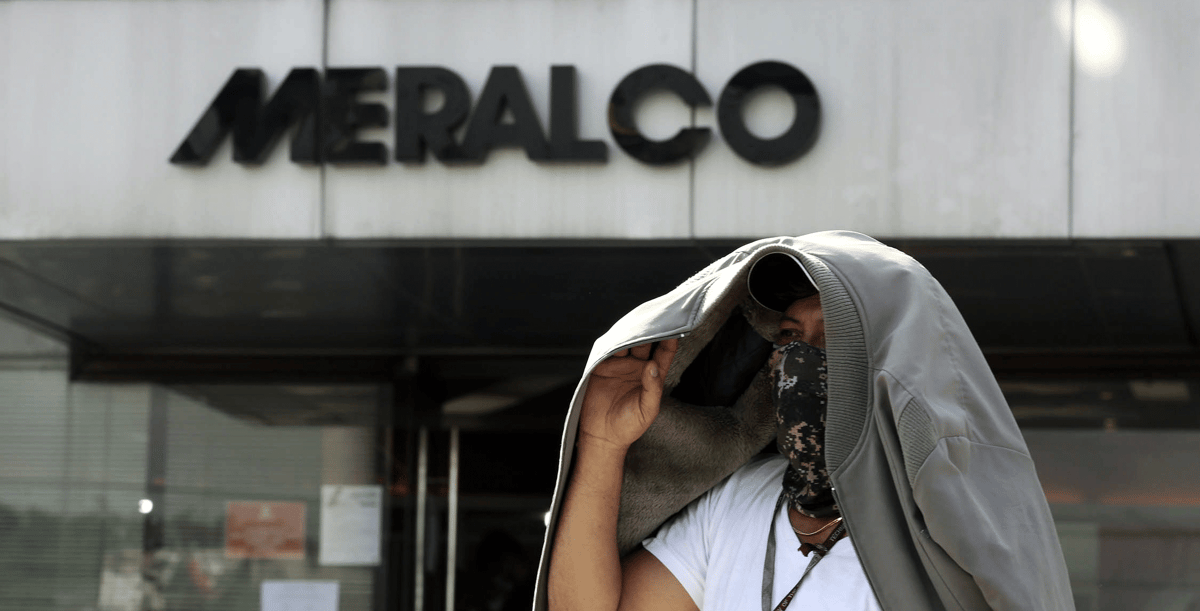
Tight Supply, Weak Peso Hike Meralco Rates in June
Why It Matters
The hike raises operating costs for millions of Filipino households and highlights persistent volatility in the Philippines’ power market, prompting regulatory and investor scrutiny.
Key Takeaways
- •Meralco raises June rate by P0.1488/kWh (~$0.003)
- •Generation charge jumps to P9.0704/kWh (~$0.17)
- •Weak peso adds P0.0941/kWh (~$0.002) to contracts
- •200 kWh users pay extra P30 (~$0.55) this month
- •Transmission charge falls P0.1525/kWh despite overall hike
Pulse Analysis
The Philippines’ power sector is entering a period of heightened stress as the Luzon grid grapples with supply constraints amplified by an early‑season El Niño. Red‑alert conditions on May 13‑15 forced the Wholesale Electricity Spot Market price to spike to P7.0281 per kWh (about $0.13), a level rarely seen outside peak‑demand months. Utilities like Meralco must purchase electricity at these elevated market rates, and the cost is passed directly to consumers through the generation charge, which now accounts for more than half of the residential bill.
Compounding the supply squeeze is the depreciation of the Philippine peso against the U.S. dollar, which has risen to roughly 55 PHP per dollar. A weaker peso inflates the cost of imported fuels such as coal and liquefied natural gas, as well as the price of power‑supply agreements that are dollar‑denominated. Meralco reported a P0.0941 per kWh (≈$0.002) increase in contract costs, reflecting the currency impact on roughly 54 % of its fuel‑mix contracts. This dual pressure—tight generation capacity and currency‑driven input cost hikes—creates a feedback loop that pushes wholesale prices upward, even as transmission fees modestly decline.
For consumers, the immediate effect is a higher monthly bill; a household using 200 kWh will pay about P30 (≈$0.55) more in June. Over time, sustained rate hikes could spur demand‑side management, accelerate investments in renewable capacity, and invite regulatory interventions aimed at stabilizing prices. Regional peers in Southeast Asia face similar challenges, but the Philippines’ reliance on imported fossil fuels makes it especially vulnerable to peso volatility. Stakeholders—from policymakers to investors—must monitor these dynamics closely as they shape the country’s energy security and affordability outlook.
Tight supply, weak peso hike Meralco rates in June
Comments
Want to join the conversation?
Loading comments...