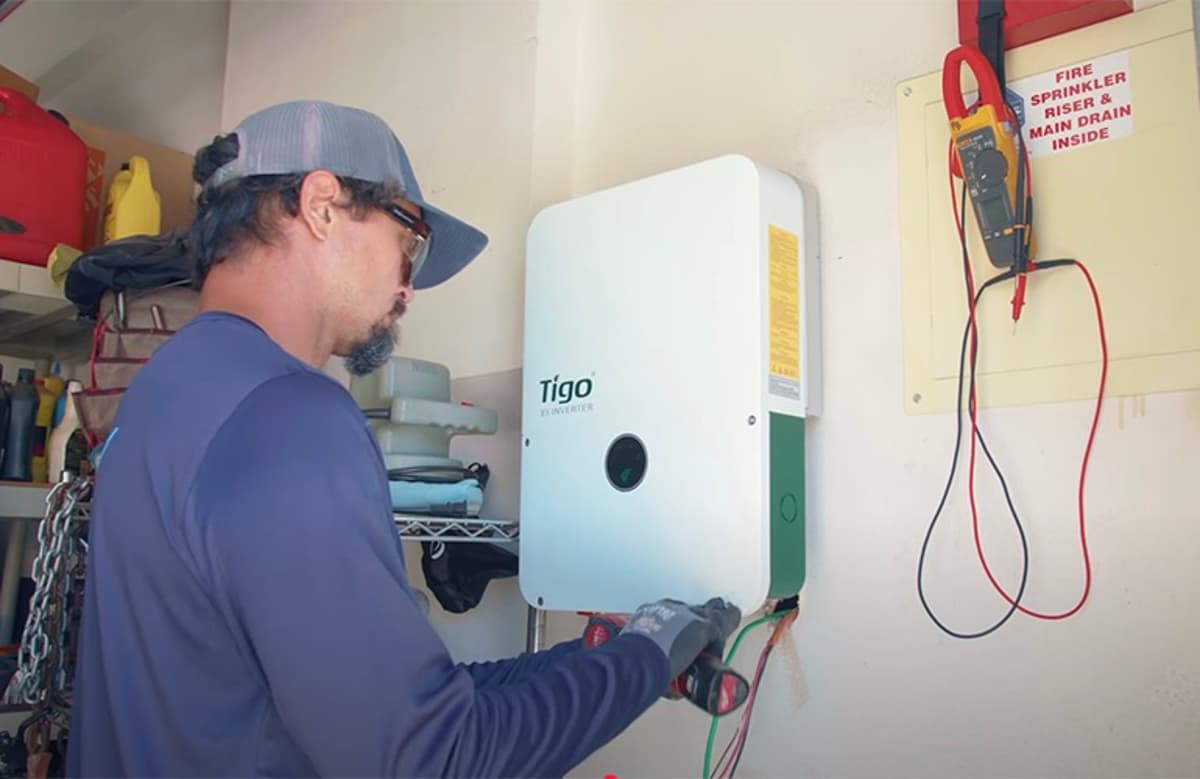
Tigo’s Smallest Inverter Can Now Adjust Its AC Output to Repower Legacy Solar Systems
Why It Matters
By enabling precise output control, Tigo helps installers extend the life of aging residential solar assets while avoiding expensive re‑permits and hardware swaps, accelerating the industry’s repowering wave.
Key Takeaways
- •Tigo adds IPOC to 3.8‑kW EI inverter for small homes
- •Inverter derating lets installers meet legacy system limits without re‑permits
- •Over 400,000 U.S. residential systems older than ten years target repowering
- •Flexible output reduces labor, hardware costs for inverter upgrades
- •Midwest installers report strong demand for right‑sized repower solutions
Pulse Analysis
The residential solar market is reaching a pivotal inflection point as a generation of early‑installations ages beyond ten years. Homeowners and utilities are increasingly confronting the twin challenges of inverter failures and stricter interconnection standards. Repowering—replacing or upgrading key components while preserving existing panels—offers a cost‑effective path to maintain performance, but it traditionally required new permits, panel upgrades, or oversized inverters that strain budgets. Tigo’s IPOC technology directly addresses these pain points by allowing precise derating of inverter output, aligning new hardware with the original system’s capacity and local utility limits.
For installers, the ability to program an inverter’s maximum AC output during commissioning translates into tangible operational efficiencies. Rather than redesigning wiring layouts or submitting fresh interconnection applications, technicians can simply adjust software settings to meet the required power ceiling. This reduces field labor hours, cuts material waste, and shortens project timelines—especially valuable in markets like the Midwest where demand for quick, affordable retrofits is surging. Moreover, the expanded 3.8‑kW offering fills a niche for the many homes originally sized between 3 and 4 kW, ensuring that right‑sized solutions are available without over‑engineering the system.
From a broader industry perspective, Tigo’s move signals a maturing solar ecosystem that prioritizes asset longevity and regulatory compliance. As utilities tighten grid‑integration rules and homeowners seek to maximize return on investment, flexible inverter technologies become essential enablers of sustainable growth. By reducing the financial and administrative barriers to repowering, Tigo not only bolsters its own market share but also supports the overall resilience of the U.S. residential solar fleet. The ripple effect could accelerate the replacement cycle, drive down average system costs, and reinforce confidence in solar as a long‑term energy solution.
Tigo’s smallest inverter can now adjust its AC output to repower legacy solar systems
Comments
Want to join the conversation?
Loading comments...