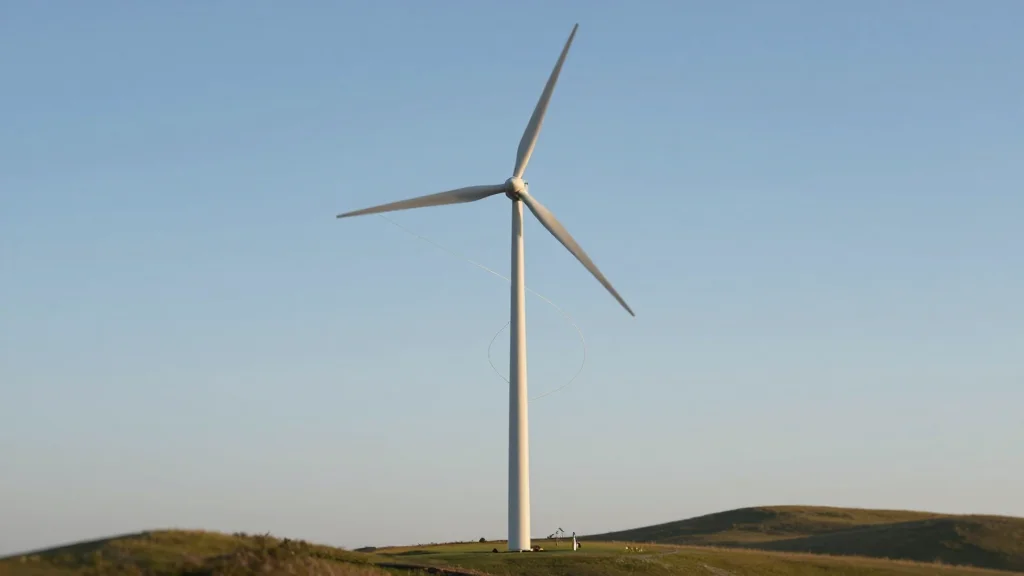
Top European Wind Turbine Maker Calls ‘Non-Western’ Rivals a Security Threat
Why It Matters
Designating Chinese turbine suppliers as high‑risk could force a costly re‑tooling of Europe’s wind sector while safeguarding critical infrastructure, reshaping competitive dynamics across the continent.
Key Takeaways
- •Nordex CEO urges EU to ban non‑western turbines
- •EU considering “high‑risk” label for Chinese suppliers
- •Protectionism may raise renewable project costs
- •China’s turbine market share growing via low‑cost models
- •EU already restricting Chinese inverters and probing Goldwind
Pulse Analysis
Europe’s drive for energy independence is now intersecting with security concerns. The European Commission has begun to embed "high‑risk" designations into its renewable‑energy procurement rules, a shift that reflects growing alarm over foreign‑origin software and control systems in critical infrastructure. Nordex’s CEO argues that the current "western‑origin" principle, limited to publicly funded projects, leaves a loophole for Chinese turbines that could embed hidden vulnerabilities. By extending the rule to all new capacity, the EU hopes to create a uniform security baseline across its grid.
Chinese turbine manufacturers such as Goldwind and Ming Yang have captured market share by offering lower‑cost, fast‑delivery solutions, challenging incumbents like Nordex, Vestas and Siemens Gamesa. Their aggressive pricing is underpinned by state subsidies, prompting accusations of unfair competition and prompting the EU to block public funding for Chinese inverters earlier this year. While protectionist steps could shield domestic firms, they also risk inflating project costs and slowing the rollout of wind capacity needed to meet climate targets. The trade‑off between price competitiveness and strategic autonomy is now a central debate in European energy policy.
The broader implications extend beyond wind. A hardline stance could trigger retaliatory measures from China, affecting supply chains for components that European manufacturers already source from Asian firms. Policymakers must balance security imperatives with the need for affordable clean energy, perhaps by incentivising domestic R&D and fostering a diversified supplier base rather than outright bans. As the EU navigates this terrain, its approach will signal how the bloc reconciles climate ambition with geopolitical realities, shaping the future of global renewable‑energy markets.
Top European wind turbine maker calls ‘non-western’ rivals a security threat
Comments
Want to join the conversation?
Loading comments...