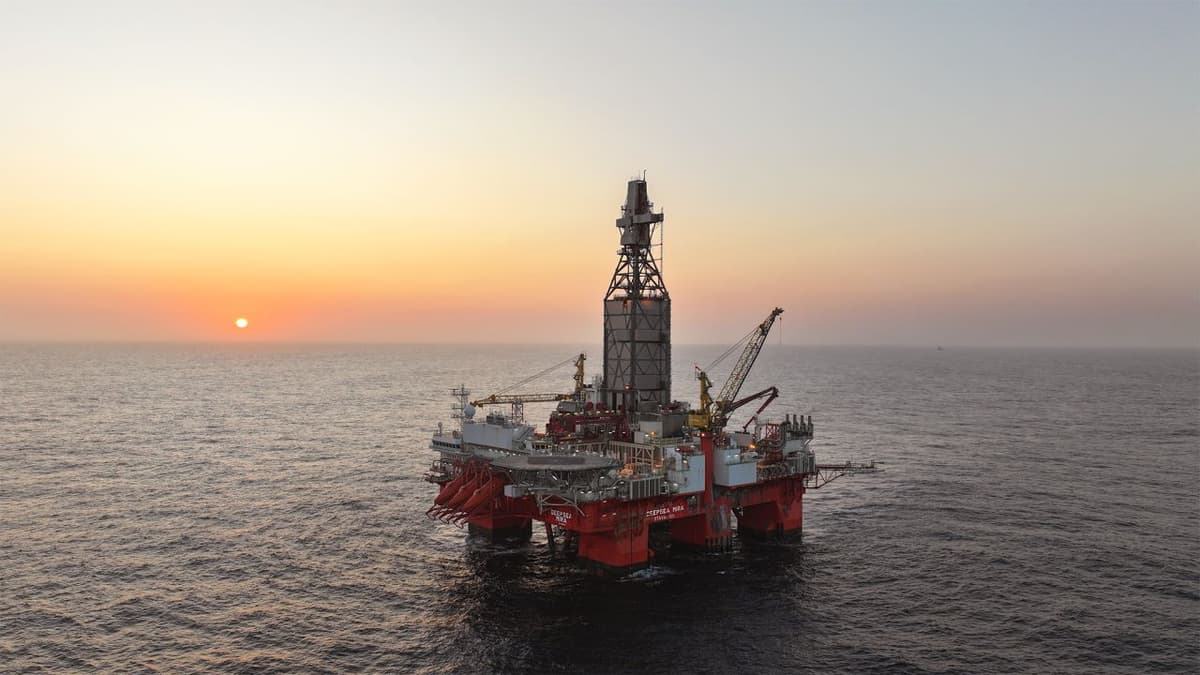
TotalEnergies’ 750-Million-Barrel Project Offshore Namibia Targets First Oil in 2030
Companies Mentioned
Why It Matters
The project could launch Namibia as a deep‑water oil producer, delivering significant fiscal revenue and diversifying TotalEnergies’ upstream portfolio while strengthening regional energy security.
Key Takeaways
- •Venus discovery holds ~750 million barrels, 150 k bpd Phase 1 capacity.
- •TotalEnergies holds 50.5% stake; QatarEnergy 30%, NAMCOR 10%, Impact 9.5%.
- •FEED completed; field development plan under Namibian regulatory review.
- •First oil targeted for 2030, FID anticipated by end‑2026.
- •Namibia expanding Lüderitz and Walvis Bay ports for offshore supply base.
Pulse Analysis
Namibia’s offshore potential has long been a quiet undercurrent in the global energy conversation, but the Venus discovery in Block 2913B is shifting that narrative. Situated in the Orange Basin with water depths up to 3,000 metres, the field spans more than 8,200 sq km and represents the country’s first fully appraised deep‑water oil prospect. The project’s technical blueprint mirrors mature offshore models, employing a subsea system tied to a floating production, storage and offloading vessel (FPSO). By finalising FEED and securing competitive EPC bids, TotalEnergies is positioning the venture for a 2026 final investment decision, a timeline that aligns with Namibia’s broader push to modernise its petroleum regulatory regime.
The consortium behind Venus—TotalEnergies (50.5%), QatarEnergy (30%), NAMCOR (10%) and Impact Oil & Gas Namibia (9.5%)—is emphasizing both economic upside and environmental stewardship. The development plan incorporates associated‑gas reinjection and aims for a low upstream emissions profile, a notable consideration for a deep‑water project in an era of heightened climate scrutiny. With an estimated 750 million barrels recoverable and a planned output of 150,000 bpd, the field could generate substantial royalty and tax streams for Namibia, bolstering public finances and funding local‑content initiatives such as skills training and domestic supplier participation.
Beyond the balance sheet, Venus could reshape Southern Africa’s energy landscape. A successful rollout would position Namibia as a new deep‑water oil hub, attracting ancillary services and encouraging further offshore exploration in neighboring basins. However, the venture faces typical frontier risks: regulatory approvals, fiscal negotiations, and the logistical challenge of supporting deep‑water operations from ports that are still under expansion. As the Namibian Ports Authority upgrades Lüderitz and Walvis Bay, the country is laying the groundwork for a sustainable offshore supply chain, ensuring that the potential economic windfall translates into long‑term industrial development.
TotalEnergies’ 750-million-barrel project offshore Namibia targets first oil in 2030
Comments
Want to join the conversation?
Loading comments...