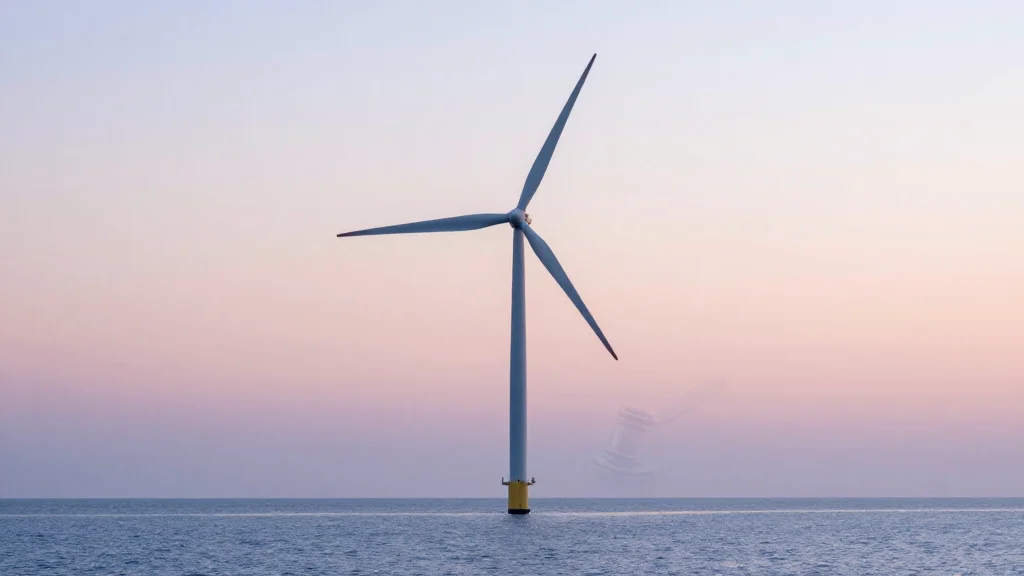
TotalEnergies On The Hot Seat Over Offshore Wind Deal
Companies Mentioned
Why It Matters
The case pits federal authority against state energy goals, threatening billions in renewable‑energy investments and job creation. A ruling could set precedent for how offshore wind leases are managed and funded in the United States.
Key Takeaways
- •TotalEnergies received ~$795 million to abandon NY and NC offshore wind leases.
- •Seven states sue Trump administration, seeking contract cancellation and lease restoration.
- •New York estimates $25.6 billion benefits and 1,700 jobs from abandoned project.
- •Lawsuit alleges DOJ Judgment Fund misuse and violation of Antideficiency Act.
- •Legal experts say DOI lacked authority to cancel leases without hearing.
Pulse Analysis
The Trump administration’s abrupt halt to new offshore wind leases reshaped the sector’s trajectory, but its decision to pay TotalEnergies nearly $800 million to abandon existing claims was unprecedented. Citing vague national‑security concerns, the Department of the Interior sidestepped standard lease‑cancellation procedures, prompting legal scholars to question whether the agency exceeded its statutory authority under the Outer Continental Shelf Lands Act. This maneuver not only raised constitutional red flags but also sparked a broader debate about the use of taxpayer‑funded Judgment Fund resources for politically motivated settlements.
In response, New York, Connecticut, Maine, Massachusetts, New Jersey, Rhode Island and Vermont have united in a federal lawsuit demanding the contract be nullified and the leases returned to TotalEnergies. The states argue the $795 million payout violates the Antideficiency Act, which bars federal agencies from spending beyond appropriated funds, and that the settlement includes a clause shielding it from judicial review. Beyond legal technicalities, the stakes are economic: the New York lease was projected to deliver $25.6 billion in benefits over 25 years, cut $10 billion from consumer energy bills, and create roughly 1,700 new jobs. The coalition’s challenge underscores the growing tension between federal policy swings and state‑driven clean‑energy agendas.
Looking ahead, the outcome will reverberate through the U.S. offshore wind pipeline, influencing investor confidence and the pace of renewable‑energy deployment. A court decision affirming state authority could reinforce the need for transparent, legally sound lease processes, bolstering the sector’s credibility. Conversely, a ruling favoring the administration might embolden future executive interventions, jeopardizing long‑term project financing and the United States’ ability to meet its climate and energy‑independence targets. Stakeholders across the energy value chain are watching closely as the litigation could reshape the regulatory landscape for offshore wind development nationwide.
TotalEnergies On The Hot Seat Over Offshore Wind Deal
Comments
Want to join the conversation?
Loading comments...