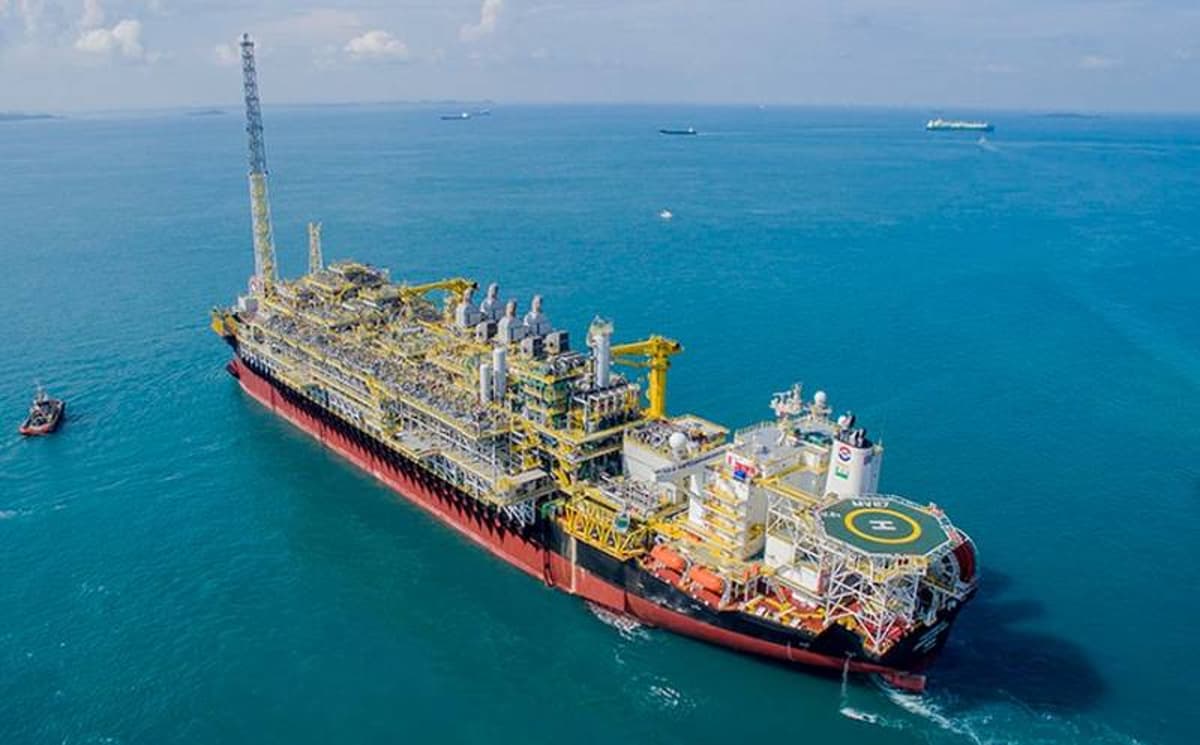
TotalEnergies, Repsol and Shell Bring Lapa South-West Online Off Brazil
•March 11, 2026
0
Why It Matters
The addition boosts Brazil’s offshore supply, reinforcing TotalEnergies’ growth roadmap and demonstrating a cost‑effective model for expanding output without new surface facilities.
Key Takeaways
- •Lapa South‑West adds 25,000 bpd to Lapa field.
- •Uses existing FPSO, reducing new capital expenditures.
- •TotalEnergies 48% stake; Repsol 25%, Shell 27%.
- •Production reaches 60,000 bpd, supporting 3% growth target.
- •Low‑cost, low‑emission output fits sustainability strategy.
Pulse Analysis
Brazil’s Santos Basin remains a cornerstone of the country’s offshore oil expansion, and the Lapa field has been a key asset since its discovery in the early 2000s. The recent start‑up of the Lapa South‑West module follows a series of incremental developments, including the Mero‑4 project in 2025, and sets the stage for later phases such as Atapu‑2 and Sépia‑2 slated for 2029. By tying three new wells back to the existing Cidade de Caraguatatuba FPSO, the partners avoid the capital intensity of a brand‑new vessel while still unlocking additional reserves.
The technical choice of subsea tie‑backs delivers both cost and emissions advantages. Leveraging spare processing capacity on the FPSO eliminates the need for duplicate topside facilities, cutting capex and operational expenditures. Moreover, the subsea infrastructure enables tighter control of venting and flaring, aligning the project with TotalEnergies’ low‑emission oil strategy and broader ESG commitments. This approach illustrates how mature offshore platforms can be repurposed to extend field life and improve net‑back economics.
Strategically, the Lapa South‑West start‑up reinforces TotalEnergies’ ambition to grow production by roughly 3% per year through 2030. The 48% operating stake gives the French group a decisive voice in field management, while the 25% and 27% stakes held by Repsol and Shell provide a balanced risk‑sharing framework. The incremental 25,000 bpd not only lifts Brazil’s export capacity but also strengthens the partners’ positioning in a market increasingly focused on cost‑efficient, low‑carbon oil supply. Future developments will likely replicate this model, using existing FPSO assets to accelerate growth without the delays of new vessel construction.
TotalEnergies, Repsol and Shell Bring Lapa South-West Online off Brazil
0
Comments
Want to join the conversation?
Loading comments...