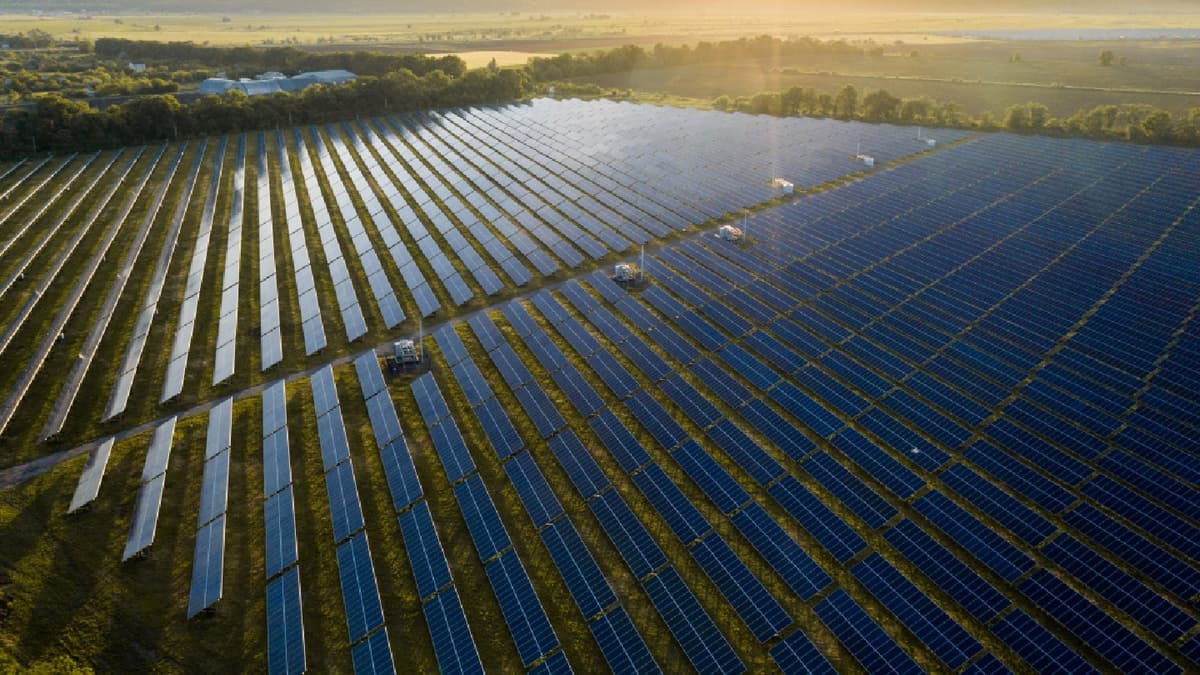
Toyota Tsusho’s AEOLUS Begins Operation of Solar Plants in Tunisia
Companies Mentioned
Why It Matters
The plants mark a significant expansion of renewable energy in North Africa, supporting Tunisia’s grid decarbonization and creating a stable revenue stream for AEOLUS and its partners. The project also demonstrates the effectiveness of Japan’s Joint Crediting Mechanism in mobilizing private capital for climate projects.
Key Takeaways
- •AEOLUS launched two 50 MW solar farms in Tunisia.
- •Combined capacity 100 MW powers ~120,000 households annually.
- •Project cost $92 million, financed by EBRD and Proparco.
- •30‑year PPA with Tunisian utility; 20‑year operation term.
- •Japan’s JCM program co‑funds up to half of investment.
Pulse Analysis
Tunisia is accelerating its renewable‑energy transition to reduce reliance on imported fossil fuels, and the commissioning of AEOLUS’s two solar farms underscores that momentum. The 100 MW of photovoltaic capacity, split between Sidi Bouzid and Tozeur, will feed the national grid and provide clean power to an estimated 120,000 households, helping the country meet its 2030 renewable‑energy targets while fostering local job creation in operations and maintenance.
The financing model showcases a blend of development‑bank support and innovative climate‑finance mechanisms. Non‑recourse loans from the European Bank for Reconstruction and Development and France’s Proparco, coupled with political‑risk coverage from the World Bank’s Multilateral Investment Guarantee Agency, reduced the cost of capital for the $92 million investment. Moreover, Japan’s Joint Crediting Mechanism (JCM) contributed up to half of the upfront funding, rewarding both Japan and Tunisia with carbon‑credit benefits and illustrating how bilateral climate programs can unlock private‑sector participation in emerging markets.
For Toyota Tsusho, the project expands its AEOLUS portfolio and signals a deeper commitment to sustainable infrastructure in Africa. The 30‑year power purchase agreement guarantees a predictable cash flow, while the 20‑year operational horizon—with an optional ten‑year extension—offers long‑term asset stability. As global investors seek reliable, ESG‑aligned assets, the success of these Tunisian solar farms could catalyze further renewable projects across the region, reinforcing the strategic value of cross‑border partnerships in the clean‑energy economy.
Toyota Tsusho’s AEOLUS begins operation of solar plants in Tunisia
Comments
Want to join the conversation?
Loading comments...