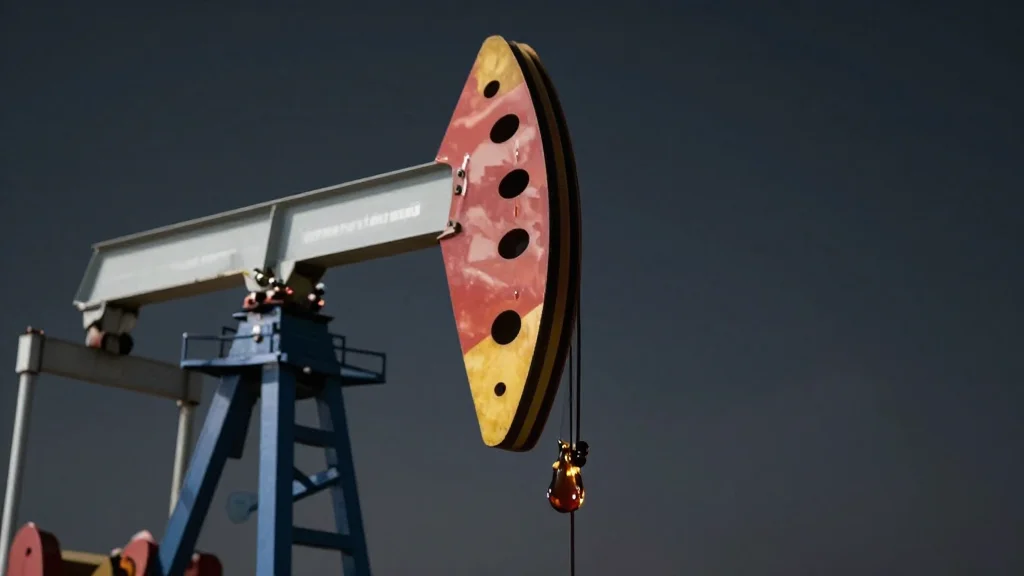
Traders Point to Suspicious Activity in the Oil Market on Wednesday
Why It Matters
The incident underscores how geopolitical headlines can distort oil‑futures pricing and expose the market to potential manipulation, affecting producers, consumers, and investors alike.
Key Takeaways
- •Volume spiked minutes before Axios report on U.S.-Iran talks
- •Prices dropped sharply after the report was released
- •Traders suspect coordinated trading ahead of geopolitical news
- •Similar suspicious spikes observed since Iran conflict began
- •Regulators may increase scrutiny of oil futures trading
Pulse Analysis
The U.S. crude‑oil futures market, one of the world’s most liquid commodity arenas, reacts instantly to geopolitical cues. Since the outbreak of the Iran conflict earlier this year, price volatility has risen, with traders and hedge funds constantly recalibrating exposure to supply‑risk narratives. In such an environment, even minor news—like a tentative diplomatic breakthrough—can ripple through futures contracts, amplifying price swings and prompting heightened trading activity.
On Wednesday morning, trading volume surged in the hour preceding an Axios story that the White House believed Washington and Tehran were nearing a one‑page memorandum to end fighting. The spike occurred at roughly 4:50 a.m. ET, just before the report’s publication, and was followed by a rapid price drop as the market digested the diplomatic signal. Observers flagged the timing as potentially manipulative, noting that similar volume anomalies have surfaced repeatedly since the conflict began. Whether driven by algorithmic strategies positioning for a news‑driven rally or coordinated attempts to profit from the ensuing volatility, the pattern raises questions about market integrity and the adequacy of existing surveillance mechanisms.
For regulators, the episode reinforces the need for tighter oversight of oil‑futures trading, especially during periods of heightened geopolitical tension. Enhanced data analytics and real‑time monitoring could help differentiate legitimate speculative activity from orchestrated moves that distort price discovery. Market participants—ranging from energy producers to institutional investors—must remain vigilant, incorporating geopolitical risk assessments into their trading models to mitigate exposure to sudden, news‑driven shocks. As diplomatic talks between the U.S. and Iran evolve, the oil market will likely continue to experience abrupt volume and price fluctuations, making robust compliance frameworks and transparent reporting essential for maintaining confidence in the commodity’s pricing mechanisms.
Traders point to suspicious activity in the oil market on Wednesday
Comments
Want to join the conversation?
Loading comments...