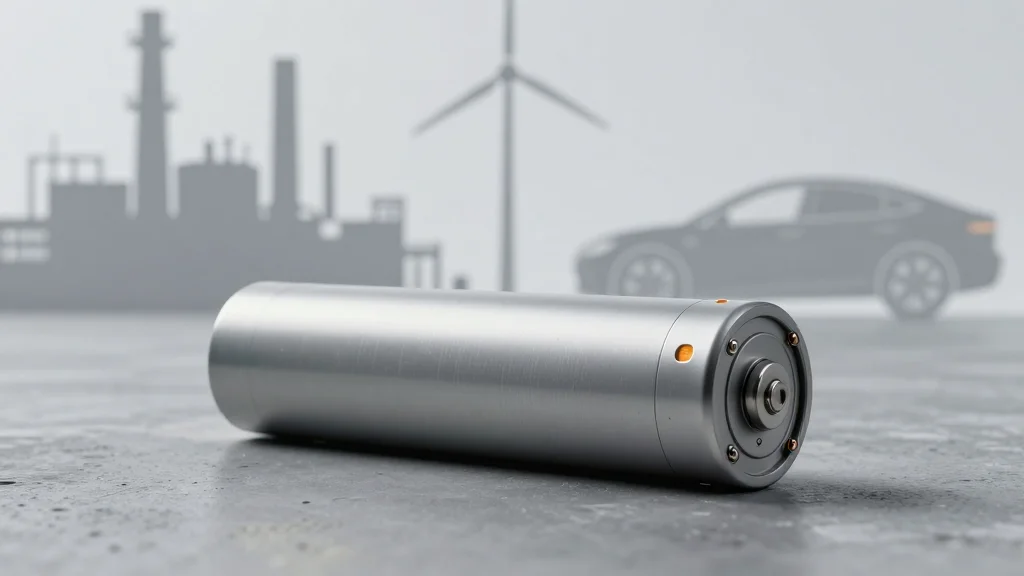
Traditional Carmakers Race Into Energy Storage with South Korean Suppliers
Companies Mentioned
Why It Matters
The redeployment of EV‑battery factories into BESS creates a new revenue stream for OEMs and secures demand for battery suppliers amid weakening EV sales, reshaping the automotive‑energy value chain.
Key Takeaways
- •Ford targets 20 GWh annual BESS output, deliveries by late 2027.
- •EV sales fell 25% YoY, prompting OEMs to repurpose factories.
- •LG Energy Solution aims to produce ~50 GWh storage capacity from joint ventures.
- •Converting NMC lines to LFP storage may cost millions per plant.
Pulse Analysis
The recent slowdown in battery‑electric vehicle sales—down 25% year‑over‑year—has forced legacy automakers to seek alternative growth engines. Energy storage, driven by AI‑intensive data centres and renewable‑heavy grids, offers a more stable demand curve. By leveraging existing battery lines, manufacturers can quickly address the rising need for grid‑scale storage without the capital intensity of greenfield projects, positioning themselves as critical infrastructure providers in the transition to a decarbonized power system.
Ford, General Motors, Volkswagen and other OEMs are actively converting EV‑focused plants into BESS facilities. Ford’s newly formed Energy division plans to produce at least 20 GWh of cells at its Kentucky site, while LG Energy Solution targets roughly 50 GWh of storage output across joint ventures with GM, Honda and Hyundai. Samsung SDI’s StarPlus Energy joint venture with Stellantis is also retooling Indiana lines for storage production. These moves not only diversify revenue streams but also lock in long‑term supply contracts with utilities and data‑centre operators, reinforcing the strategic partnership between automakers and battery makers.
The transition is not without challenges. Shifting from nickel‑manganese‑cobalt chemistries to cheaper lithium‑iron‑phosphate cells requires extensive re‑engineering, often taking up to 18 months and costing several hundred million dollars per facility. South Korean suppliers, who dominate the high‑volume battery market, must absorb these conversion costs while maintaining supply reliability. Nevertheless, the potential upside—capturing a share of the projected multi‑hundred‑gigawatt‑hour BESS market—makes the investment compelling, signaling a lasting realignment of the automotive and energy storage sectors.
Traditional carmakers race into energy storage with South Korean suppliers
Comments
Want to join the conversation?
Loading comments...