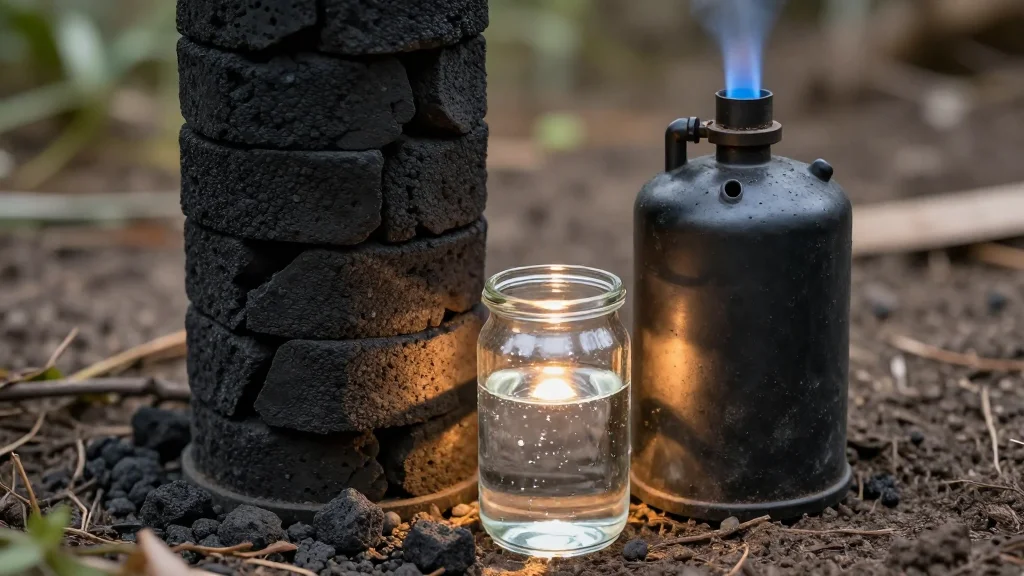
Transforming Agricultural Waste Into Water and Energy Solutions in Mozambique
Why It Matters
By turning waste into essential resources, the project tackles water scarcity, energy poverty, and climate emissions, offering a replicable solution for sub‑Saharan Africa.
Key Takeaways
- •Agricultural waste converted to potable water and biogas.
- •Pilot yields 5,000 liters water daily, 120 kWh electricity.
- •Reduces diesel use, cuts greenhouse gas emissions.
- •Scalable model for Mozambique’s 2.5 M hectares farmland.
Pulse Analysis
Mozambique faces chronic water shortages and unreliable electricity, especially in rural farming communities. Converting abundant agricultural residues—such as sugarcane bagasse, maize stalks, and cassava peels—into dual‑purpose resources addresses both challenges simultaneously. The pilot’s biochar filtration treats wastewater on‑site, while anaerobic digesters capture methane for power generation, creating a closed‑loop system that reduces dependence on imported fuels and costly water trucking.
The technology blends low‑cost biochar filters, which adsorb contaminants and improve water clarity, with proven anaerobic digestion processes that transform organic matter into biogas. This biogas fuels micro‑turbines, delivering clean electricity to schools and health clinics. Early results show a daily output of 5,000 liters of safe drinking water and 120 kWh of electricity, enough to power lighting, refrigeration, and communication devices for several villages. By displacing diesel generators, the project cuts greenhouse‑gas emissions and operational expenses, delivering measurable climate and economic benefits.
If replicated nationwide, the initiative could unlock the potential of Mozambique’s 2.5 million hectares of farmland, turning waste streams into a strategic asset. Investors and development agencies are watching closely, as the model aligns with United Nations Sustainable Development Goals on clean water, affordable energy, and responsible consumption. Policy makers are encouraged to create incentives for waste‑to‑resource projects, fostering a resilient, low‑carbon rural economy that other sub‑Saharan nations can emulate.
Transforming agricultural waste into water and energy solutions in Mozambique
Comments
Want to join the conversation?
Loading comments...