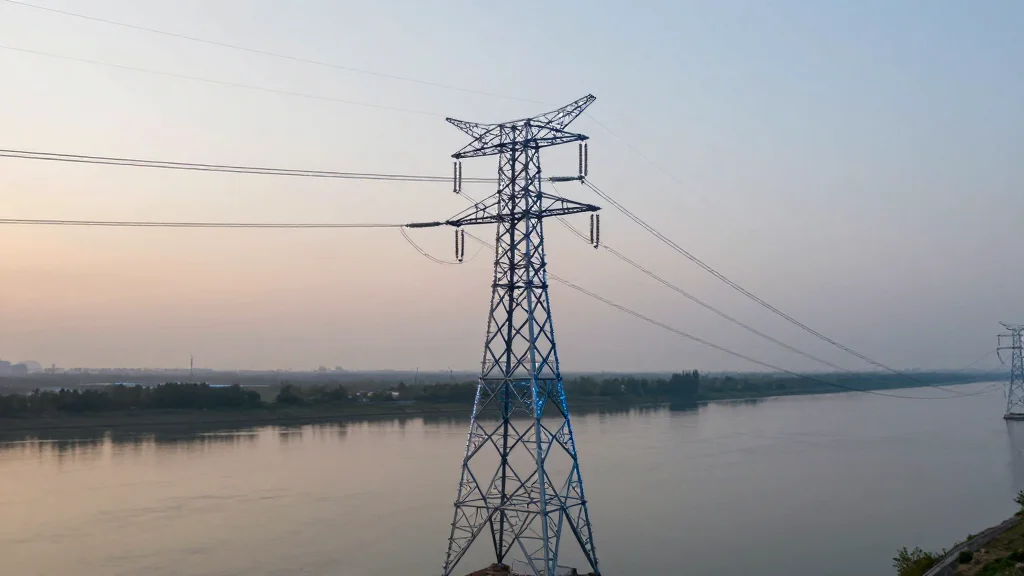
Transmission Projects Bolster New York, New England Summer Reliability: NPCC
Why It Matters
The assessment confirms that existing infrastructure can meet typical summer loads, but the modest risk of extreme demand underscores the need for contingency plans, influencing market operations and cross‑border power trading.
Key Takeaways
- •HVDC Champlain Hudson Power Express adds 1,250 MW capacity
- •NY and New England meet typical summer demand
- •Peak demand forecast 105,000 MW, 400 MW increase
- •Maritimes and some areas may need emergency procedures
- •Probabilistic analysis shows 7% chance of high‑load stress
Pulse Analysis
The NPCC’s 2026 Summer Reliability Assessment highlights how strategic transmission projects are reshaping the Northeastern grid. The 1,250 MW Champlain Hudson Power Express, an HVDC link delivering clean Québec hydroelectric power directly to New York City, exemplifies cross‑border collaboration that bolsters supply diversity. By completing this line ahead of schedule, operators have added a firm, low‑carbon resource that reduces reliance on fossil‑fuel peakers and improves the region’s ability to balance supply and demand during peak summer hours.
Capacity figures reinforce the positive outlook: the region now boasts roughly 158,000 MW of installed generation, up 1,700 MW from the previous summer, thanks in part to new gas‑fired and storage assets in Ontario. With peak demand projected at 105,000 MW, the supply‑demand gap appears modest. Moreover, Québec’s surplus winter generation can be exported, further cushioning the system. These dynamics not only support reliability but also create arbitrage opportunities for traders who can tap into lower‑cost Canadian hydro during high‑price periods in the U.S.
Nevertheless, the NPCC flags a 7% chance of extreme load conditions, especially in July and August, that could strain the grid. In such scenarios, operators may trigger emergency operating procedures or issue energy‑emergency alerts, and some jurisdictions might need to import additional power. This risk profile prompts utilities and regulators to maintain robust contingency plans, invest in demand‑response resources, and monitor interconnection capacities closely, ensuring that the region can weather unexpected spikes without compromising service quality.
Transmission projects bolster New York, New England summer reliability: NPCC
Comments
Want to join the conversation?
Loading comments...