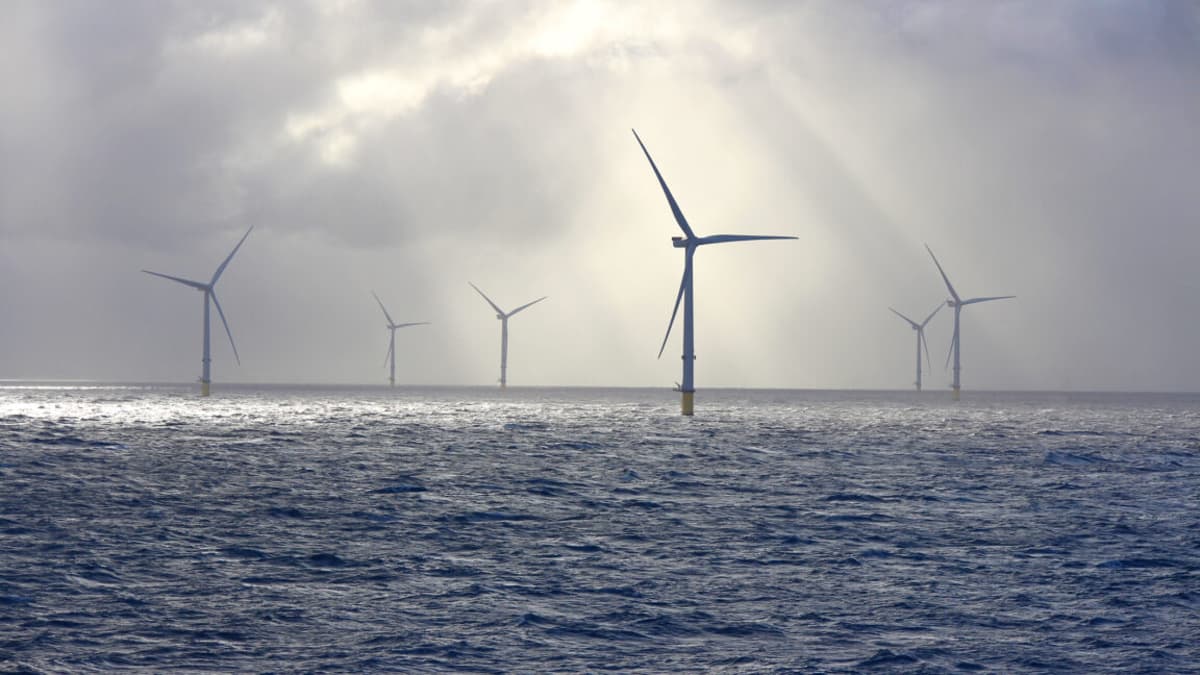
Trump Admin Abandons Fight Against Wind Energy as Clean Energy Output Surges
Why It Matters
The decision removes a major regulatory hurdle for wind developers, accelerating the U.S. clean‑energy transition, while the parallel gas build‑out highlights policy‑driven market tensions.
Key Takeaways
- •Trump DOJ voluntarily dismissed wind‑permit appeal, ending legal fight
- •Court upheld ruling that 2025 wind‑freeze order was unlawful
- •U.S. expects 79.7 GW clean power added in 2026, despite 8 GW cancellations
- •Developers plan $377 billion investment through 2031, 222 GW under construction
- •Natural‑gas pipeline grew 20.7 GW Q1 2026, raising fossil share to 27%
Pulse Analysis
The abrupt withdrawal of the Trump administration’s legal challenge marks a turning point for wind energy in the United States. By conceding that the 2025 executive order exceeded statutory limits, the Justice Department has cleared a significant permitting bottleneck that had stalled dozens of projects. Industry analysts now expect a smoother regulatory environment, which should translate into faster project approvals and lower financing costs for developers seeking to tap the growing demand for renewable power.
Beyond the wind sector, the broader clean‑energy landscape is experiencing unprecedented growth. The Environmental Defense Fund and Atlas Public Policy forecast a record 79.7 GW of new clean capacity in 2026, pushing total online renewable generation past 470 GW. With $377 billion earmarked for new projects through 2031, investors are betting on declining solar and battery costs, while the pipeline includes 222 GW of projects already under construction. This momentum underscores the shifting economics that now favor low‑carbon technologies over traditional fossil fuels.
However, the surge in natural‑gas development—up 20.7 GW in the first quarter of 2026—reveals a countervailing trend driven by policy uncertainty and short‑term supply concerns. Fossil‑fuel capacity now represents 27 percent of the planned pipeline, a threefold increase since 2022, raising questions about long‑term emissions trajectories. Stakeholders argue that the gas boom reflects the administration’s mixed signals, where roadblocks for renewables coexist with incentives for fossil projects. Understanding this dual dynamic is essential for investors, policymakers, and utilities navigating the evolving energy transition.
Trump admin abandons fight against wind energy as clean energy output surges
Comments
Want to join the conversation?
Loading comments...