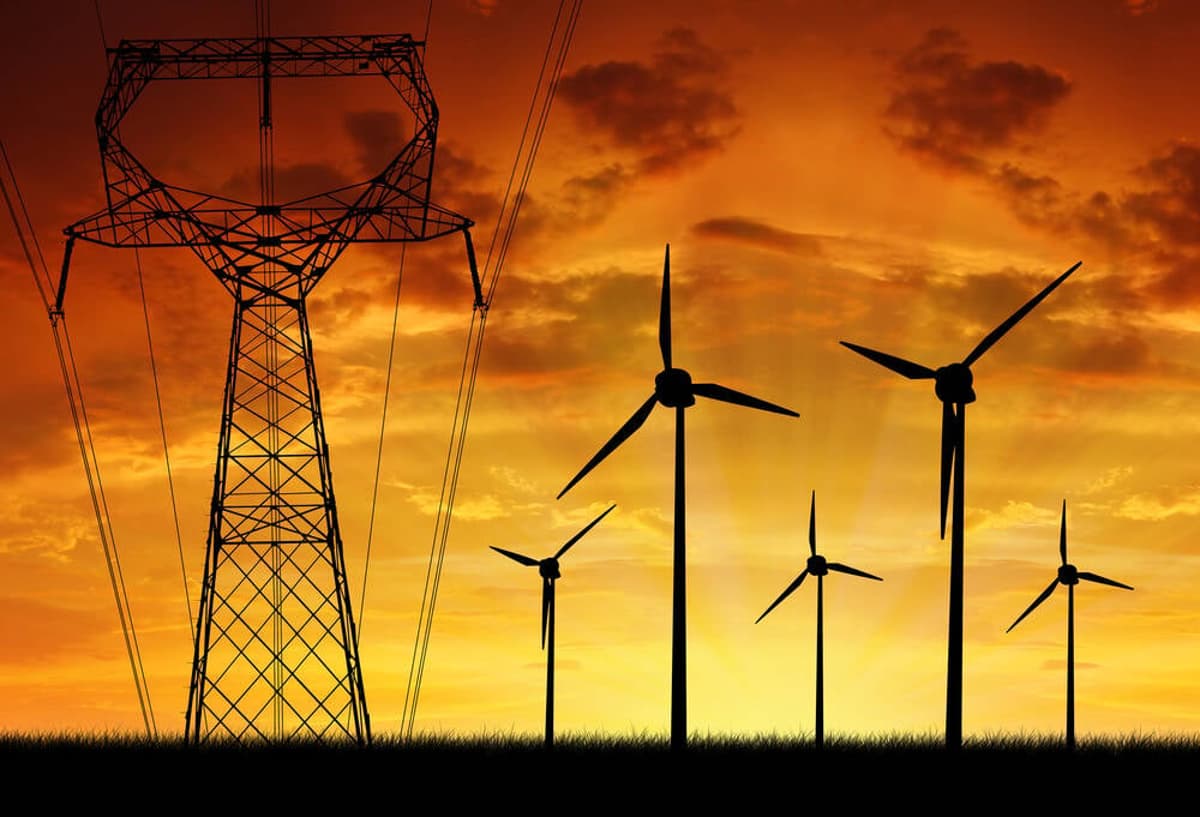
Trump Admin Pays Wind Developers to Quit, Back Fossil Fuel Projects

Why It Matters
The move redirects billions of taxpayer dollars toward fossil‑fuel projects, reshaping the U.S. energy investment landscape and signaling a policy reversal that could stall offshore wind growth.
Key Takeaways
- •DoI will pay $885 million to cancel two offshore wind leases.
- •Payments require developers to invest equal funds in U.S. oil, gas projects.
- •Similar $1 billion deal with TotalEnergies shows pattern of lease buyouts.
- •Trump’s “Energy Dominance” policy reverses prior renewable subsidies.
- •Fossil‑fuel subsidies in U.S. total $34.8 billion annually.
Pulse Analysis
The Trump administration’s recent lease‑buyout agreements reflect a decisive pivot from the renewable‑energy push that characterized the previous administration. After a federal court struck down an executive order halting new offshore wind approvals, the Department of the Interior opted for a cash‑out strategy, reimbursing developers while conditioning the funds on investments in conventional energy. By coupling payouts with mandatory fossil‑fuel spending, the policy leverages existing subsidies—estimated at $34.8 billion annually—to reinforce the “Energy Dominance” narrative.
Economically, the deals represent a reallocation of public capital that could distort market signals for clean‑energy developers. While unsubsidized wind and solar have been the lowest‑cost generation sources for a decade, the infusion of taxpayer money into oil, gas, and LNG projects may lower short‑term costs for those sectors but risks crowding out private investment in offshore wind. The precedent set by the $1 billion TotalEnergies settlement suggests a systematic approach, potentially discouraging future bidders and slowing the United States’ progress toward its renewable targets.
Industry observers warn that this strategy could provoke legal challenges and push states to double down on renewable incentives, especially as data‑center operators and other large energy consumers continue to favor low‑cost solar and wind. Internationally, the U.S. aligns with a broader trend where fossil‑fuel subsidies dwarf renewable support, despite global calls for a green transition. The long‑term impact will hinge on whether Congress and the courts intervene to protect renewable investments or whether the administration’s short‑term energy security goals dominate policy decisions.
Trump admin pays wind developers to quit, back fossil fuel projects
Comments
Want to join the conversation?
Loading comments...