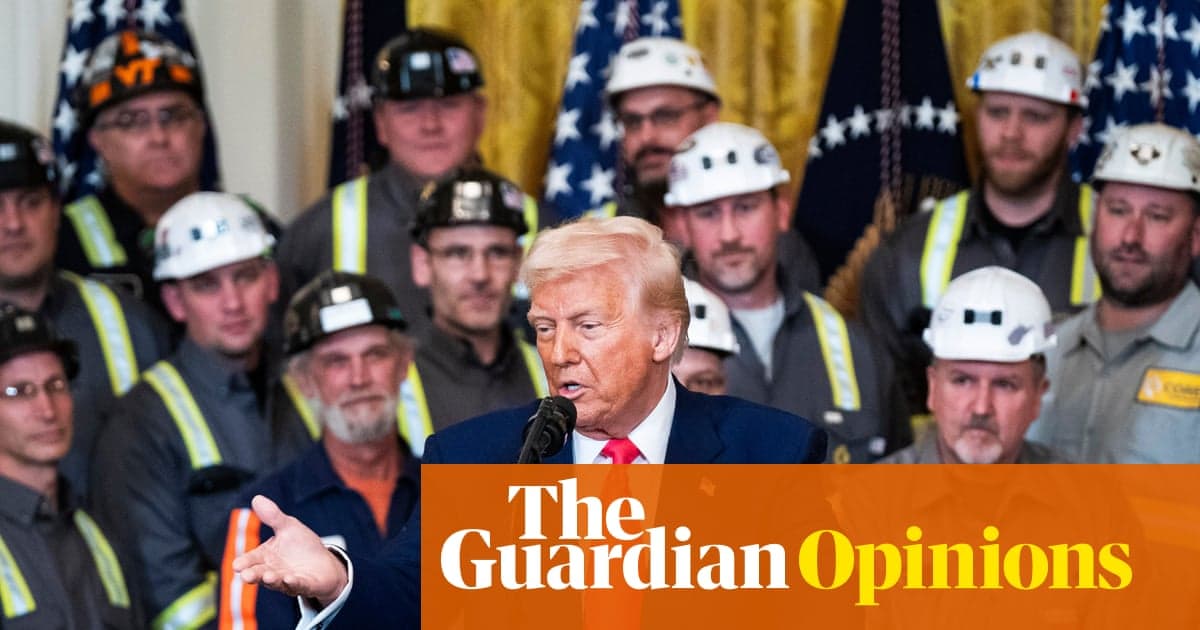
Trump and His Oil-and-Coal Oligarchy Should Face Sanctions for Their War on the Environment | Alexander Hurst
Why It Matters
If sanctions were applied, they could pressure the U.S. elite to curb destructive climate policies and set a precedent for holding polluters accountable internationally.
Key Takeaways
- •Trump rolled back EPA CO₂ regulations
- •Offshore wind projects cancelled, coal favored
- •Logging and drilling expand across U.S. forests
- •Experts urge sanctions on fossil‑fuel oligarchs
- •Ecocide debates may reshape climate accountability
Pulse Analysis
The United States under Donald Trump has accelerated a cascade of policy reversals that threaten global climate goals. By weakening the Environmental Protection Agency’s authority to regulate carbon emissions, the administration has opened the door for increased coal use, approved new offshore drilling permits, and scrapped several offshore wind contracts. These moves not only raise domestic greenhouse‑gas output but also undermine international commitments such as the Paris Agreement, creating a feedback loop that fuels higher global temperatures and more extreme weather events.
At the same time, a legal conversation is emerging around the concept of ecocide—treating large‑scale environmental destruction as a crime against humanity. The International Criminal Court has already pursued war‑crimes warrants, and European nations have imposed sanctions on Russian oligarchs for their role in geopolitical aggression. Advocates now argue that similar tools could target U.S. fossil‑fuel executives and political allies who profit from policies that devastate ecosystems. While the ICC lacks direct jurisdiction over U.S. nationals, coordinated sanctions—travel bans, asset freezes, and corporate restrictions—could create a tangible deterrent and signal that environmental harm carries real legal consequences.
For European economies and global investors, the stakes are high. Sanctions against Trump‑aligned oligarchs would disrupt capital flows, increase compliance costs for multinational firms, and potentially shift market preferences toward greener assets. Moreover, a credible threat of punitive measures could pressure the U.S. to reconsider its anti‑renewable stance, opening space for renewed transatlantic climate cooperation. As the ecocide debate gains traction, policymakers worldwide must weigh the diplomatic fallout against the urgent need to protect the planet’s remaining ecosystems.
Trump and his oil-and-coal oligarchy should face sanctions for their war on the environment | Alexander Hurst
Comments
Want to join the conversation?
Loading comments...