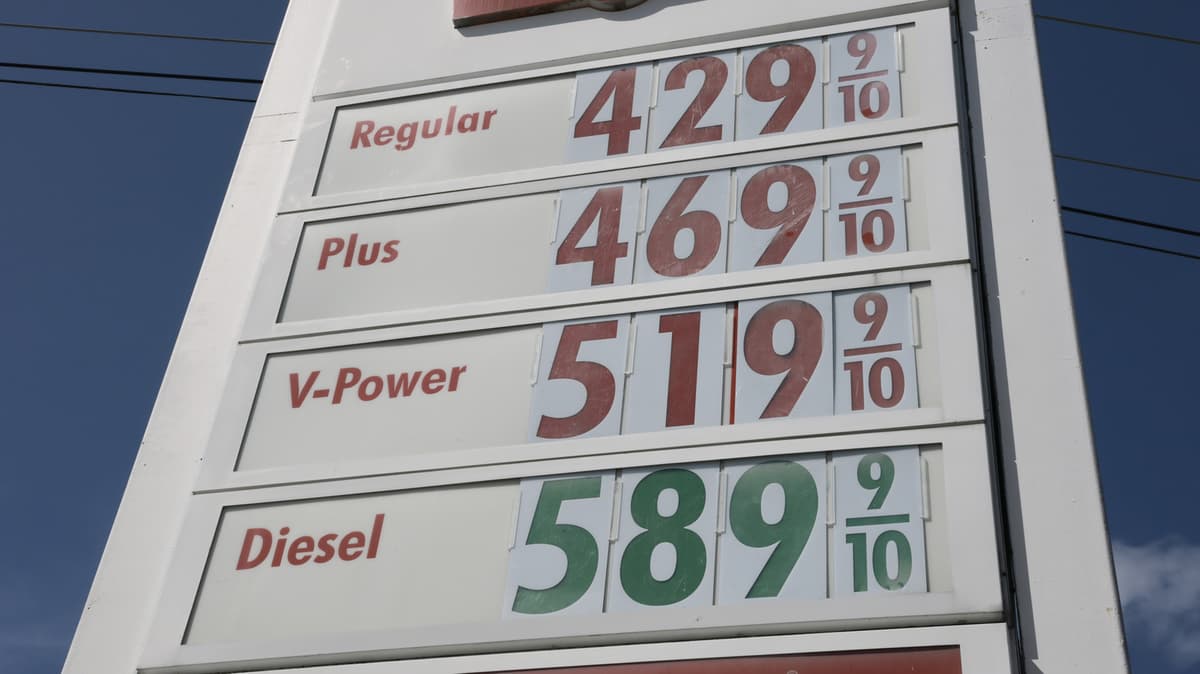
Trump Expects The High Gas Prices He Caused To Stick Around Even If He Ends The War He Started

Why It Matters
Persistently high fuel costs threaten to depress consumer spending and could swing pivotal congressional races, reshaping the policy landscape ahead of the 2026 midterms.
Key Takeaways
- •Trump admits gas prices may stay high through midterms
- •Iran conflict added $17 billion extra cost to U.S. drivers
- •High fuel costs risk Republican losses in House and Senate
- •Inflation spiked as gasoline prices tripled last month
- •Voters historically punish incumbents when gas prices hit records
Pulse Analysis
The Iran‑related conflict, launched under President Trump’s watch, has become a hidden tax on American motorists. By early April, the extra burden on the pump rose from an estimated $10 billion to $17 billion, translating to roughly $1 billion a day at current price levels. This surge has not only strained household budgets but also amplified headline inflation, which jumped sharply after gasoline prices tripled in a single month. For many consumers, the price shock is prompting a shift toward cheaper mobility options, from scooters to reconsidered electric‑vehicle purchases, highlighting the broader ripple effects of energy volatility.
Politically, the timing could not be worse for the GOP. Historical data shows that when gasoline hits record highs, incumbent approval plummets—Jimmy Carter fell to 30 % in the 1978‑79 oil shock, and George W. Bush slipped to 25 % during the 2008 price spike. With Trump’s approval hovering at 38 % and Republican lawmakers scrambling to distance themselves from the war’s costs, the midterm ballot may become a referendum on energy policy as much as on traditional issues. Party strategists warn that the inability to blame President Biden for rising prices could erode the GOP’s traditional narrative of fiscal competence.
Beyond the election, sustained high fuel prices risk a feedback loop that could dampen economic growth. Elevated transportation costs increase the price of goods across the supply chain, pressuring inflation further and potentially prompting the Federal Reserve to tighten monetary policy sooner than anticipated. Policymakers may need to consider targeted relief measures—such as temporary fuel tax rebates or strategic petroleum reserves releases—to cushion consumers while they negotiate a diplomatic exit from the Iran theater. The intersection of geopolitics, market dynamics, and voter sentiment makes the gas price saga a pivotal issue for businesses and investors alike.
Trump Expects The High Gas Prices He Caused To Stick Around Even If He Ends The War He Started
Comments
Want to join the conversation?
Loading comments...