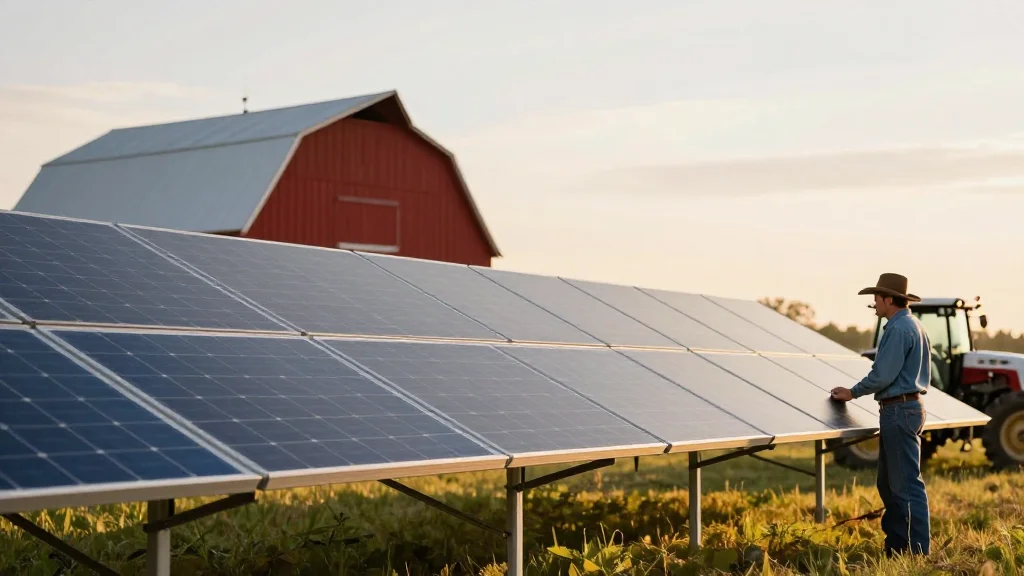
Trump Is Blocking Solar for Farmers. Can the Farm Bill Fix That?
Why It Matters
REAP is one of the few federal mechanisms enabling farmers to adopt solar and lower operating expenses; its loss would raise energy bills and weaken rural energy security. Reinstating REAP through the Farm Bill could preserve a bipartisan, cost‑effective climate solution for agriculture.
Key Takeaways
- •Trump halted REAP, freezing nearly $1 billion in promised funds.
- •House Farm Bill draft embeds restrictions on ground‑mounted solar and foreign panels.
- •Senate still must approve Farm Bill, leaving REAP’s future uncertain.
- •Amendments seek to remove solar limits, restoring bipartisan support.
- •IRA originally earmarked >$2 billion for REAP through FY2027.
Pulse Analysis
The Rural Energy for America Program has been a cornerstone of agricultural sustainability for nearly two decades, offering grants that cover up to half of solar project costs on farms. By providing a reliable revenue stream, REAP helped producers lower electricity bills, diversify income, and meet rising demand for clean power. The Trump administration’s abrupt freeze of almost $1 billion in promised funding, followed by a permanent halt and new rules barring ground‑mounted solar on 50‑acre plots and foreign‑origin panels, disrupted ongoing projects and left many farmers financially exposed.
The 2024 Farm Bill now serves as the legislative battleground for REAP’s fate. While the House version initially codified the administration’s restrictions, a coalition of bipartisan lawmakers and advocacy groups such as the American Farmland Trust have introduced amendments to excise those limits. If passed, the Senate would need to reconcile the House language, creating a window for further negotiation. The amendments not only aim to restore REAP’s original grant structure but also to align the program with the Inflation Reduction Act’s $2 billion commitment, ensuring long‑term funding stability through fiscal year 2027.
For farmers, the stakes are concrete: energy prices have surged across the nation, and without REAP, many risk higher operating costs that could erode profit margins. Restoring the program would enable the deployment of solar on productive farmland, preserving land use while delivering clean energy. Moreover, a revitalized REAP could reinforce U.S. energy independence, reduce reliance on foreign‑controlled power sources, and demonstrate that bipartisan policy can drive both economic and environmental outcomes in the agricultural sector.
Trump is blocking solar for farmers. Can the Farm Bill fix that?
Comments
Want to join the conversation?
Loading comments...