Companies Mentioned
Why It Matters
A gas‑tax holiday could deliver modest short‑term relief to consumers but would jeopardize the primary revenue stream for the nation’s road and bridge maintenance, highlighting the trade‑off between political optics and infrastructure financing.
Key Takeaways
- •Administration now "open" to suspending 18.3‑cent federal gas tax.
- •Average U.S. gasoline price reached $4.52 per gallon, highest in four years.
- •Suspension could cut pump price by only 10‑16 cents, per BPC estimate.
- •Any tax holiday requires congressional approval, not just executive action.
- •Reduced tax revenue would strain Highway Trust Fund financing for roads.
Pulse Analysis
The surge in U.S. gasoline prices to $4.52 per gallon reflects a perfect storm of geopolitical tension, notably the conflict in the Middle East, and constrained global oil supplies. Historically, federal gas‑tax holidays have been floated during periods of price spikes, but none have ever passed Congress. By signaling openness to a suspension, the Trump administration is tapping into a long‑standing populist playbook that promises immediate consumer relief, even as the actual discount—estimated at 10 to 16 cents per gallon—remains modest.
Beyond the headline appeal, the fiscal ramifications are significant. The 18.3‑cent per‑gallon levy, along with a 24.3‑cent diesel tax, bankrolls the Highway Trust Fund, which underwrites the construction and upkeep of America’s roads, bridges, and transit corridors. A temporary tax holiday would erode that revenue stream, potentially widening the fund’s chronic deficit and forcing lawmakers to seek alternative financing, such as increased fuel‑efficiency standards or new user fees. Moreover, because any suspension must be enacted by Congress, the executive branch’s leverage is limited, underscoring the political calculus at play.
Politically, the timing aligns with the approaching midterm elections, where energy costs have become a flashpoint for voter discontent. By softening its stance, the White House can claim responsiveness without committing to a policy that would require legislative approval and risk long‑term infrastructure funding. At the same time, the administration continues to deploy other tools—strategic petroleum reserve releases and Jones Act waivers—to temper supply shocks. Observers will watch whether the tax‑holiday discussion translates into concrete legislative action or remains a rhetorical lever in the election‑season playbook.
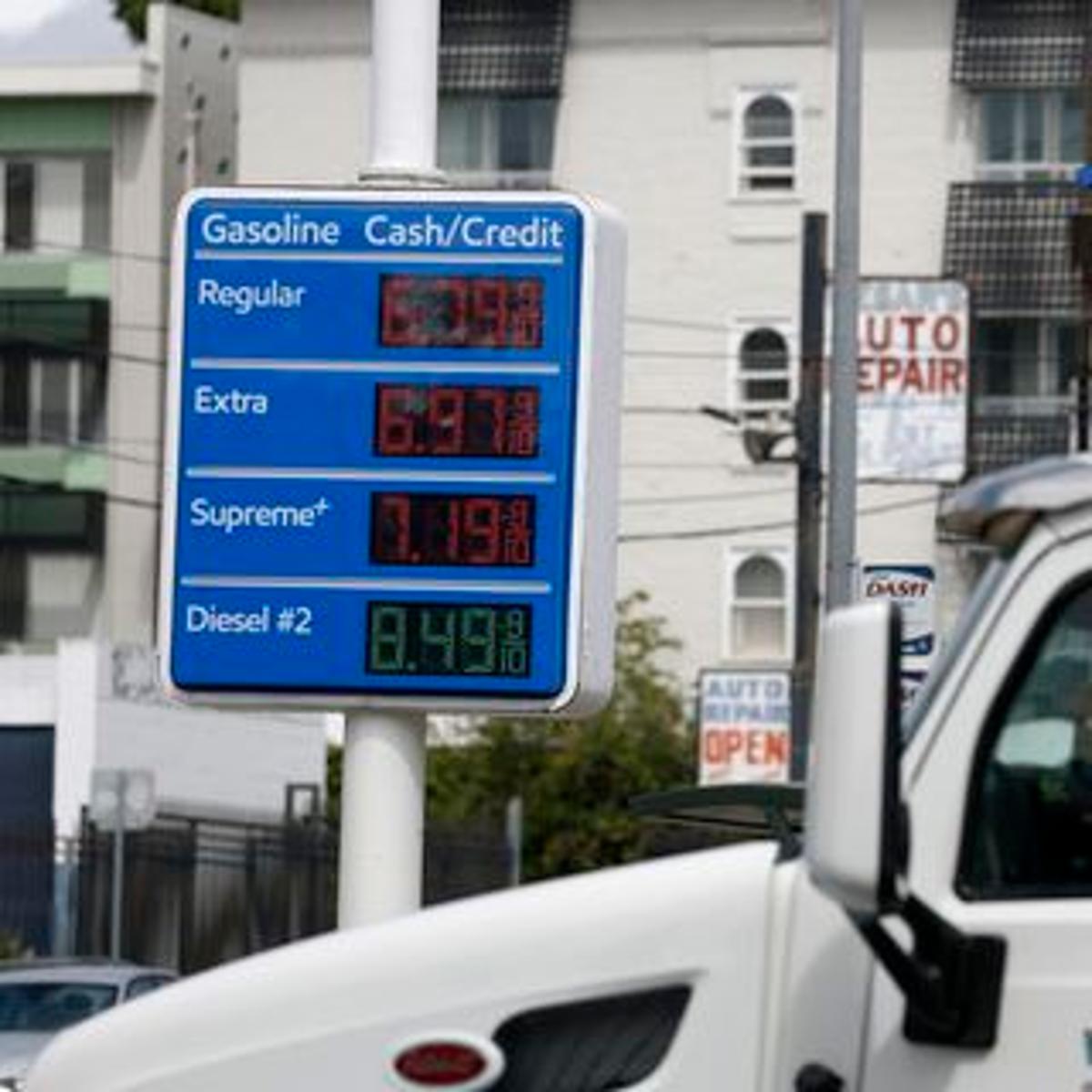
Trump official opens door to gas tax suspension
Comments
Want to join the conversation?
Loading comments...