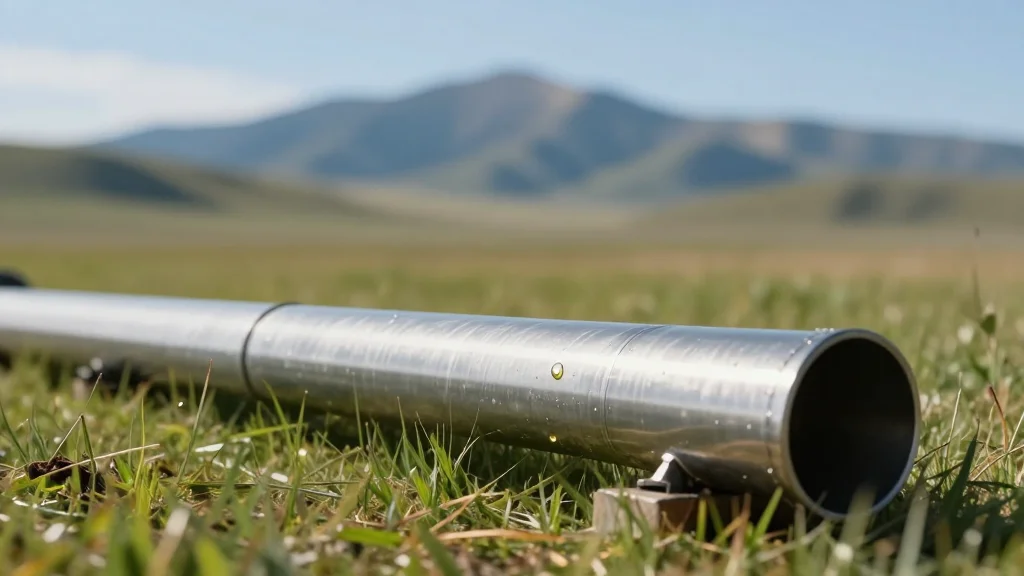
Trump Signs Presidential Permit for Bridger Pipeline Using Keystone XL Assets
Why It Matters
The approval revives a stalled trans‑border oil corridor, potentially unlocking new Canadian crude exports and bolstering U.S. energy infrastructure at a time of heightened demand for domestic supply security.
Key Takeaways
- •Trump signs permit allowing Bridger to reuse Keystone XL corridor
- •Bridger's 1,000‑km pipeline targets 550,000 bpd initial capacity
- •South Bow's Prairie Connector may link to Bridger, enhancing Canadian crude flow
- •Project could feed existing networks like Pony Express to Cushing, Oklahoma
- •Analysts see permit as catalyst for final investment decision by 2027
Pulse Analysis
The presidential permit marks a sharp policy reversal from the previous administration, which halted the Keystone XL project in 2021. By leveraging the dormant right‑of‑way and partially completed facilities, Bridger can accelerate construction while avoiding many environmental review hurdles associated with new corridors. This regulatory shortcut not only reduces capital outlay but also signals the Trump administration’s broader commitment to expanding North American oil transport capacity, a stance that aligns with its energy‑security agenda.
Technically, the Bridger line is designed as a 36‑inch conduit capable of moving over a million barrels per day, though initial operations will likely handle around 550,000 barrels. The route skirts the Montana border before turning southeast to Guernsey, Wyoming, where it can tie into existing pipelines such as Tallgrass Energy’s Pony Express and South Bow’s Marketlink system. These connections would channel Canadian crude to the Cushing hub and onward to Gulf Coast refineries, offering shippers a diversified export path that could command higher price spreads compared to rail or truck.
From an industry perspective, the permit could catalyze a wave of investment in ancillary infrastructure, including storage, processing facilities, and downstream logistics. Analysts at RBC Dominion Securities suggest the clearance may prompt a final investment decision by late 2026 or early 2027, accelerating cash flow for both Bridger and South Bow. However, the project still faces hurdles: securing customer commitments during the open season, navigating state‑level permitting, and addressing lingering environmental concerns. If these challenges are managed, the pipeline could reinforce Canada’s role as an "energy superpower" and enhance U.S. energy security amid volatile global markets.
Trump signs Presidential Permit for Bridger pipeline using Keystone XL assets
Comments
Want to join the conversation?
Loading comments...