Trump’s Tax Refunds Do Little to Stem the Affordability Crisis, Michigan Democrats Say
Why It Matters
The contrast reveals that short‑term tax rebates cannot offset the structural affordability crisis driven by high energy prices, making renewable incentives critical for long‑term consumer relief and economic stability.
Key Takeaways
- •Solar tax credit lowered Siegel’s net system cost to $16,000
- •Monthly electricity bill fell from $150‑$280 to $6
- •Trump’s tax refunds won’t offset rising fuel and grocery costs
- •DOE and DOT renewable funding cuts total $19 billion
- •Michigan lost ~7,800 jobs and 4 GW clean‑energy capacity
Pulse Analysis
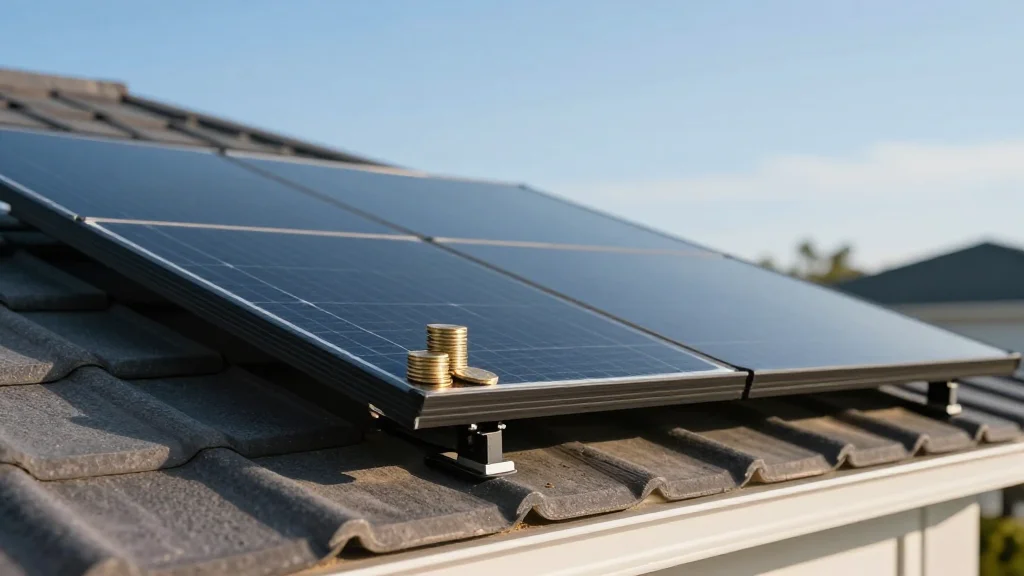
The Michigan case study illustrates how federal tax policy and renewable incentives intersect with household affordability. Ann Siegel’s experience shows that the Inflation Reduction Act’s $8,000 solar tax credit, combined with a power purchase agreement, can dramatically reduce electricity expenses, turning a $26,000 upfront investment into a near‑break‑even proposition within a few years. For consumers facing utility bills that have surged past $150 a month, such incentives provide a tangible hedge against volatile energy markets.
Meanwhile, President Trump’s emphasis on larger individual tax refunds and accelerated equipment expensing offers only a temporary cash infusion. Analysts note that while refunds may boost short‑term liquidity, they do little to mitigate ongoing cost pressures from higher gasoline prices—now averaging $4.12 per gallon—and rising grocery bills. Lawmakers in Michigan argue that without sustained renewable investment, families will continue to see the majority of their income eroded by energy expenses, rendering one‑off refunds a "drop in the bucket."
The broader policy landscape compounds the challenge. Recent proposals to cancel $15 billion in DOE renewable funding and $4 billion in EV charger programs, alongside tariffs that have delayed over 20 clean‑energy projects, threaten to stall the state’s clean‑energy pipeline. Michigan has already missed out on roughly 4 gigawatts of generation and 7,800 jobs. By aligning tax policy with robust renewable incentives, policymakers could create a more resilient energy mix, lower consumer costs, and sustain job growth in the emerging green economy.
Trump’s Tax Refunds Do Little to Stem the Affordability Crisis, Michigan Democrats Say
Comments
Want to join the conversation?
Loading comments...