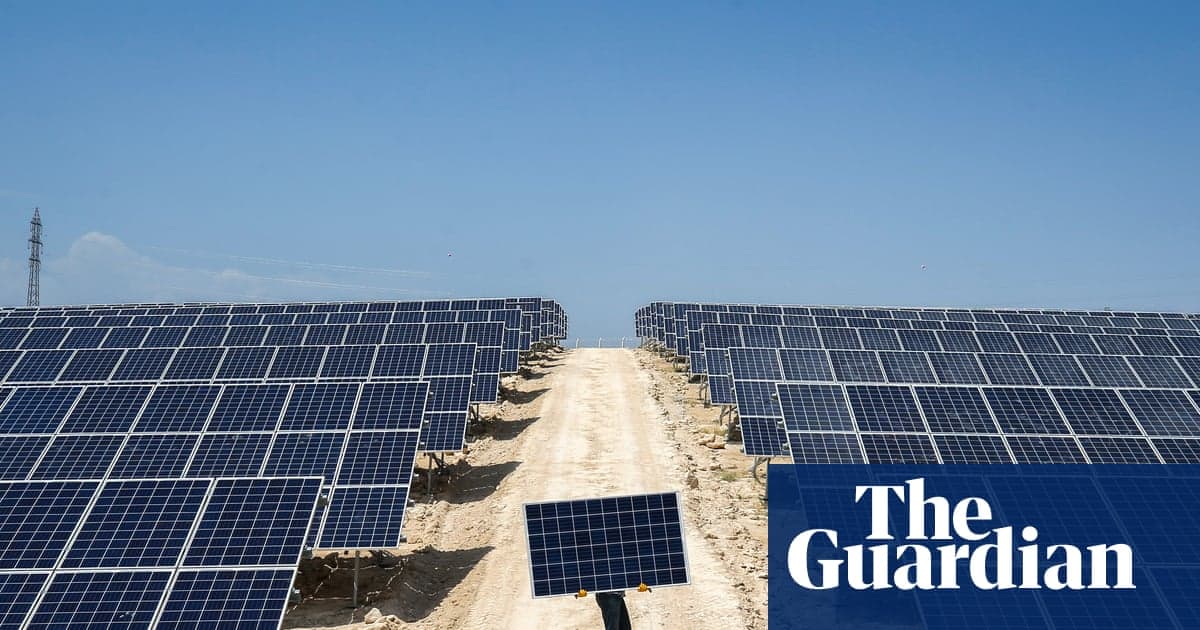
Turkey to Race Ahead of EU on Battery Storage Amid Fossil Fuel Crisis
Companies Mentioned
Why It Matters
Turkey’s aggressive battery rollout positions it as a potential clean‑energy hub in a region still vulnerable to fossil‑fuel volatility, while underscoring the policy gap between emerging markets and the EU.
Key Takeaways
- •Turkey approved 33 GW battery storage since 2022.
- •EU leaders lag with only 12‑13 GW capacity.
- •Battery costs fell ~90% over decade.
- •Policy ties storage to renewable grid access.
- •Coal still supplies 34% of Turkey’s electricity.
Pulse Analysis
Turkey’s battery storage boom reflects a broader shift in emerging economies capitalising on plummeting renewable‑technology costs. By linking storage to renewable generation through a 2022 grid‑access mandate, the government has created a clear financial incentive that has already unlocked 33 GW of approved capacity—far exceeding the EU’s combined efforts. This policy‑driven approach, coupled with a near‑90% decline in battery prices over the past decade, offers a template for other nations seeking to accelerate clean‑energy integration without waiting for extensive grid upgrades.
The strategic timing of Turkey’s push cannot be divorced from the ongoing fossil‑fuel crisis sparked by geopolitical tensions, notably the Iran war. Batteries provide a buffer that reduces reliance on coal, which still accounts for a third of the nation’s electricity mix, and mitigates exposure to volatile spot‑market prices. However, the path forward is not without hurdles: permitting delays, market design uncertainties, and the country’s substantial hydropower base, which already supplies clean baseload power, temper the urgency for massive battery deployments. Overcoming these challenges will be essential for Turkey to transform its storage pipeline into a functional regional energy hub.
Looking ahead, Turkey’s ambitious target of 120 GW of wind and solar by 2035 hinges on sustained battery investment and policy consistency. The country’s clear investment signal may attract international capital, encouraging similar strategies across the Global South where renewable resources are abundant but financing remains constrained. If realized, Turkey’s model could reshape regional power dynamics, lower electricity costs, and contribute meaningfully to global decarbonisation goals, reinforcing the business case for large‑scale storage in emerging markets.
Turkey to race ahead of EU on battery storage amid fossil fuel crisis
Comments
Want to join the conversation?
Loading comments...