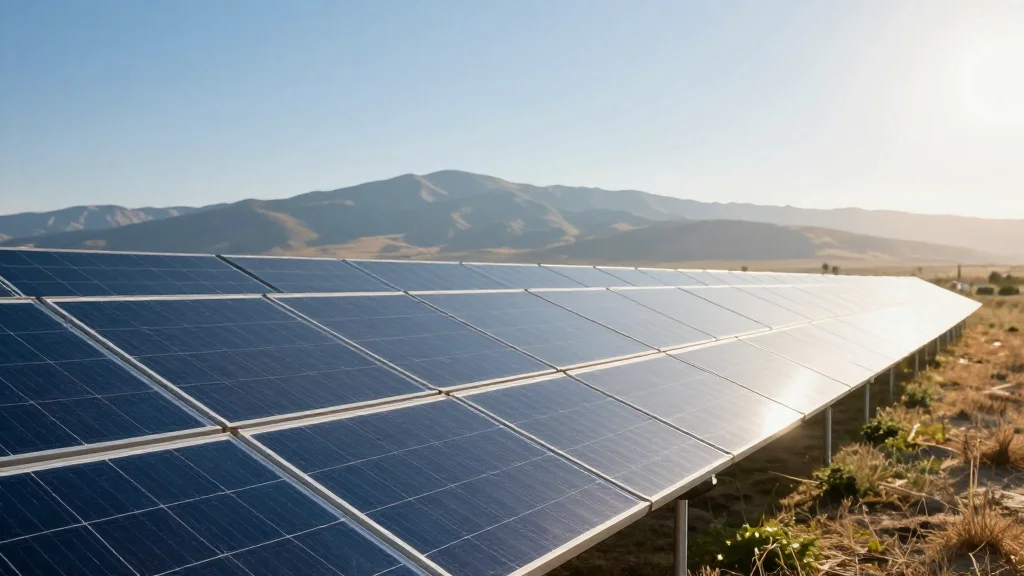
Türkiye Reduces Grid Fee for Around 800 Unlicensed Solar Plants
Companies Mentioned
Why It Matters
The reduction improves the economics of Turkey’s dominant unlicensed solar segment, sustaining rapid renewable growth and grid stability. It also signals policy support that could attract further investment in the country’s clean‑energy sector.
Key Takeaways
- •Grid fee fell 68% to TRY 0.656 ($0.014)/kWh.
- •Affects ~800 unlicensed solar plants totaling 500‑550 MW.
- •Unlicensed solar makes up >22 GW of Turkey’s 25 GW capacity.
- •Reduction aims to prevent shutdowns as market price fell below fees.
- •GENSED praised move for lowering investor losses and operational costs.
Pulse Analysis
Turkey has become one of the fastest‑growing solar markets in Europe and the Middle East, largely driven by a wave of unlicensed installations that skirt the traditional licensing process. These projects, limited to 5 MW and originally supported by a ten‑year feed‑in tariff, now account for more than 22 GW of the country’s roughly 25 GW solar capacity. By the end of 2025, about 800 of those plants—representing 500‑550 MW—have completed their guaranteed purchase period, prompting regulators to revisit the cost structure that ties them to the grid.
The Energy Market Regulatory Authority’s decision to slash the grid fee from TRY 2.081 to TRY 0.656 per kilowatt‑hour—a 68 percent cut—directly improves the profit margin of these aging assets. With market clearing prices occasionally dipping below the previous distribution charge, many owners faced the prospect of shutting down to avoid losses, especially where outdated inverters required on‑site staff for manual switching. The lower fee removes that immediate financial pressure, encouraging continued generation and preserving the stability of a grid that now relies heavily on distributed solar.
Beyond the immediate relief, the policy shift signals a broader willingness by Ankara to nurture the unlicensed segment while it matures. Investors see a clearer path to return on capital, which could spur additional retrofits and new self‑consumption projects, reinforcing Turkey’s ambition to hit 30 GW of solar by 2030. At the same time, the move may prompt a reassessment of the licensing framework, nudging newer installations toward formal licensing to benefit from more favorable long‑term tariffs. In a region where renewable incentives are under scrutiny, Turkey’s pragmatic adjustment could become a model for balancing cost recovery with rapid deployment.
Türkiye reduces grid fee for around 800 unlicensed solar plants
Comments
Want to join the conversation?
Loading comments...