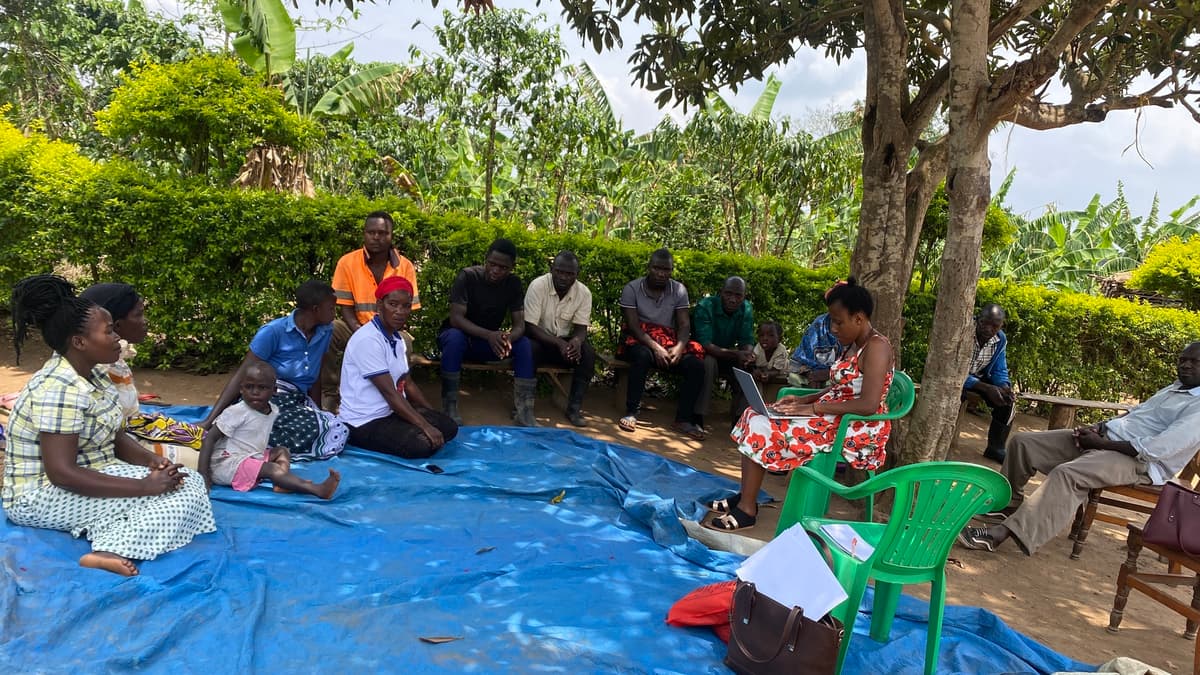
Ugandans Affected by Pipeline Discontented over Rehabilitation Efforts: Report
•March 9, 2026
0
Why It Matters
The shortcomings risk increased poverty and food insecurity, undermining social license and potentially delaying the pipeline’s commercial launch.
Key Takeaways
- •One third of surveyed households dissatisfied with livelihood program.
- •Agricultural inputs arrived late, many seeds low germination.
- •Cash compensation deemed insufficient for land replacement.
- •Residents fear safety, environmental risks, property devaluation.
- •Pipeline perceived closer than regulated 30‑meter minimum.
Pulse Analysis
The 1,443‑kilometre East African Crude Oil Pipeline, dubbed EACOP, is poised to become Africa’s longest heated oil conduit, linking Uganda’s Hoima oil fields to Tanzania’s port of Tanga. Backed by TotalEnergies, the Uganda National Oil Company and China National Offshore Oil Corporation, the project is 80 % complete and slated for first exports before the end of 2026. While the infrastructure promises substantial fiscal revenues and regional energy integration, it also traverses ten Ugandan districts, displacing thousands of households and triggering complex resettlement obligations under international performance standards.
The AFIEGO survey highlights a gap between policy and practice in EACOP’s livelihood restoration scheme. Delayed delivery of agricultural inputs and sub‑standard seeds have hampered crop cycles, while cash payouts fall short of acquiring equivalent farmland, leaving many families vulnerable to food insecurity. Such shortcomings contravene the International Finance Corporation’s performance criteria, which require project‑affected persons to regain or improve pre‑project income levels. Without timely remediation, the risk of heightened poverty, gender‑based violence, and community dissent escalates, eroding the social license essential for large‑scale extractive ventures.
Investor confidence and project timelines now hinge on how quickly the pipeline’s developers address these grievances. Persistent community opposition could trigger legal challenges, increase insurance premiums, and compel regulators to impose stricter monitoring, all of which may delay the anticipated 2026 export window. Moreover, the expressed safety and environmental anxieties—particularly fears of spills contaminating soil and water—underscore the need for transparent risk‑management communication. Strengthening compensation mechanisms, improving input quality, and ensuring the 30‑metre setback is respected are critical steps to align EACOP with ESG expectations and safeguard its commercial viability.
Ugandans affected by pipeline discontented over rehabilitation efforts: Report
0
Comments
Want to join the conversation?
Loading comments...