Uganda’s Power Paradox: Cheap for Industry, Costly for Households
Why It Matters
The tariff split threatens household affordability while boosting industrial competitiveness, creating a policy tension that could shape future regulatory reforms. Reliability shortfalls and export dynamics highlight infrastructure needs crucial for the upcoming Eastern African Power Pool.
Key Takeaways
- •Uganda’s industrial tariff $0.055/kWh, residential $0.206/kWh.
- •Industrial subsidies create second‑highest residential rates in COMESA.
- •Grid reliability gaps cause 106 hours annual outages in Uganda.
- •Uganda exports power at $79.6/MWh to four neighboring countries.
- •Transmission losses in Uganda stand at 4.9%, below regional average.
Pulse Analysis
Uganda’s electricity pricing model illustrates a classic development paradox: ultra‑low rates for factories coexist with steep household bills. Policymakers argue that cheap industrial power fuels job creation and downstream tax revenue, a strategy mirrored in other low‑tariff economies. Yet the cross‑subsidy approach places a hidden burden on consumers, potentially stalling broader economic inclusion and prompting political pressure for tariff reform. Understanding this balance is essential for investors assessing the cost structure of Ugandan manufacturers and for NGOs monitoring energy poverty.
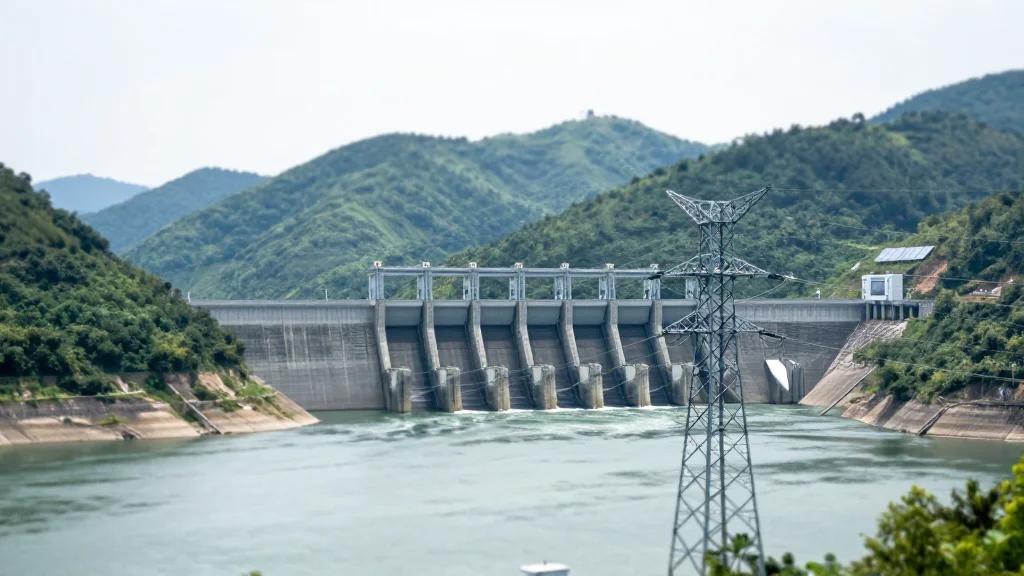
Reliability remains the Achilles’ heel of Uganda’s power sector. While the nation boasts a 95% renewable portfolio—dominated by hydropower—its grid experiences 106 hours of outages per year, far exceeding the sub‑10‑hour benchmarks of Tunisia and Mauritius. Transmission losses sit at a respectable 4.9%, yet the outage frequency signals under‑investment in transmission and distribution assets. For businesses reliant on continuous power, these interruptions translate into hidden operational costs, influencing decisions on location, backup generation, and risk mitigation.
Regionally, Uganda is positioned as a key electricity exporter, supplying four neighboring markets at $79.6/MWh, a price competitive enough to attract trade but modest compared with Burundi’s $170/MWh. The country’s readiness aligns with the Eastern African Power Pool’s ambition to create a cross‑border market, yet the lack of robust interconnections hampers full potential. Strengthening transmission corridors and harmonising tariffs could unlock greater revenue streams, improve grid stability, and accelerate the integration of surplus renewable capacity across East Africa.
Uganda’s power paradox: cheap for industry, costly for households
Comments
Want to join the conversation?
Loading comments...