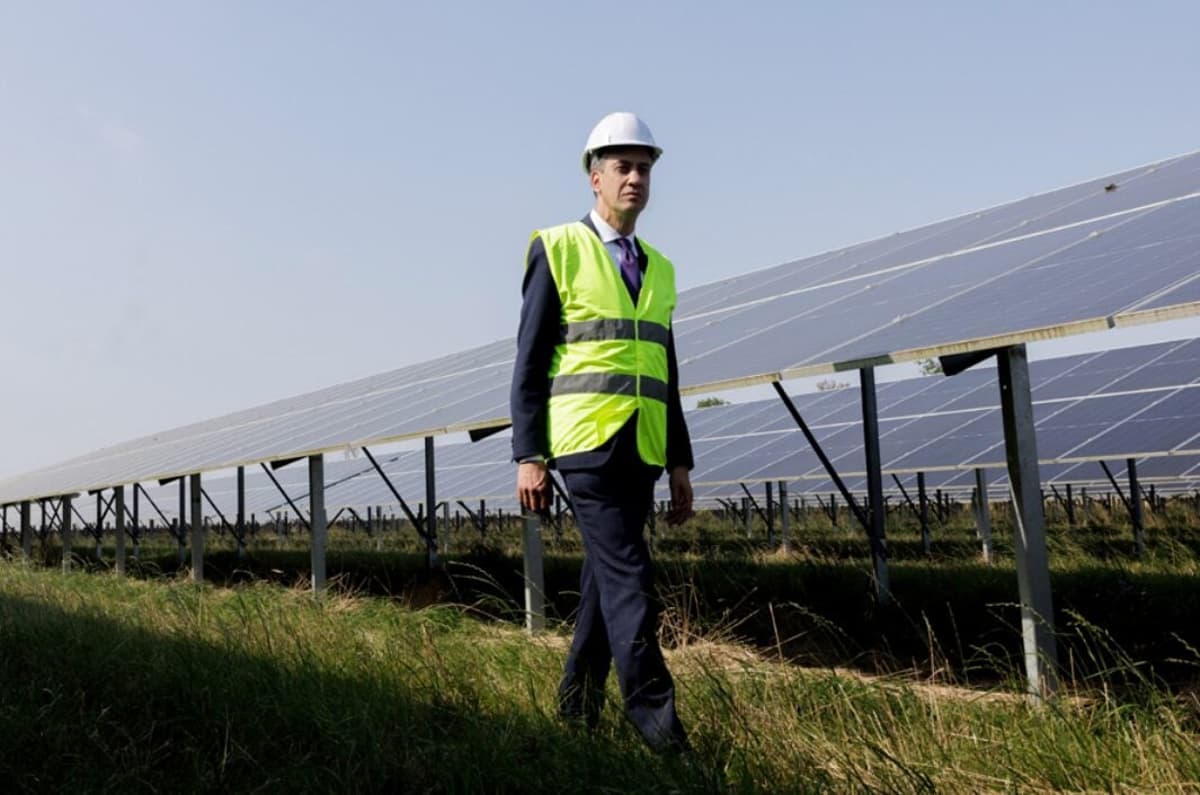
UK Government to Implement Measures to Decouple Electricity Prices From Gas Market
Why It Matters
Decoupling electricity from gas prices shields the UK economy from external energy shocks and accelerates the transition to a low‑carbon power system, creating a more stable market for investors and consumers alike.
Key Takeaways
- •EGL rises to 55% on July 1, 2026, up from 45%
- •Voluntary wholesale CfDs slated for 2027 to break gas‑price link
- •Planning overhaul aims to unlock 10 GW of solar and wind
- •Great British Energy to add solar on 100 more schools
- •30% of UK renewables still tied to wholesale gas prices
Pulse Analysis
The policy shift comes as Europe grapples with heightened gas volatility stemming from geopolitical tensions in the Middle East. By increasing the Electricity Generator Levy to 55%, the UK signals a willingness to levy higher charges on older renewable assets that benefit from above‑benchmark revenues, while exempting new projects to keep the pipeline attractive. This nuanced approach balances fiscal revenue needs with the imperative to accelerate clean‑energy deployment, a strategy echoed in other markets that use windfall taxes to curb windfall profits without stifling growth.
A cornerstone of the new framework is the voluntary wholesale Contracts for Difference slated for 2027. Unlike the existing CfD scheme, which guarantees a fixed strike price, the wholesale version lets generators bid into a competitive auction, fostering market discipline while still offering a safety net against extreme price spikes. Analysts expect this mechanism to draw private capital into offshore wind, solar PV, and emerging storage projects, as participants can lock in long‑term revenue streams without relying on gas‑linked price signals. The allocation process, scheduled for next year, will likely prioritize projects that demonstrate cost‑competitiveness and grid‑integration readiness.
Beyond fiscal tools, the government’s planning overhaul targets bureaucratic bottlenecks that have slowed renewable roll‑out. By streamlining land‑access and grid‑connection approvals, and earmarking up to 10 GW of capacity on brownfield and industrial sites, the UK aims to meet its 2030 net‑zero targets more swiftly. The additional solar installations on 100 schools and colleges not only diversify the generation mix but also embed clean‑energy education into communities. Collectively, these measures position the UK as a resilient, investment‑friendly market, reducing exposure to gas price shocks while reinforcing its leadership in the global energy transition.
UK government to implement measures to decouple electricity prices from gas market
Comments
Want to join the conversation?
Loading comments...