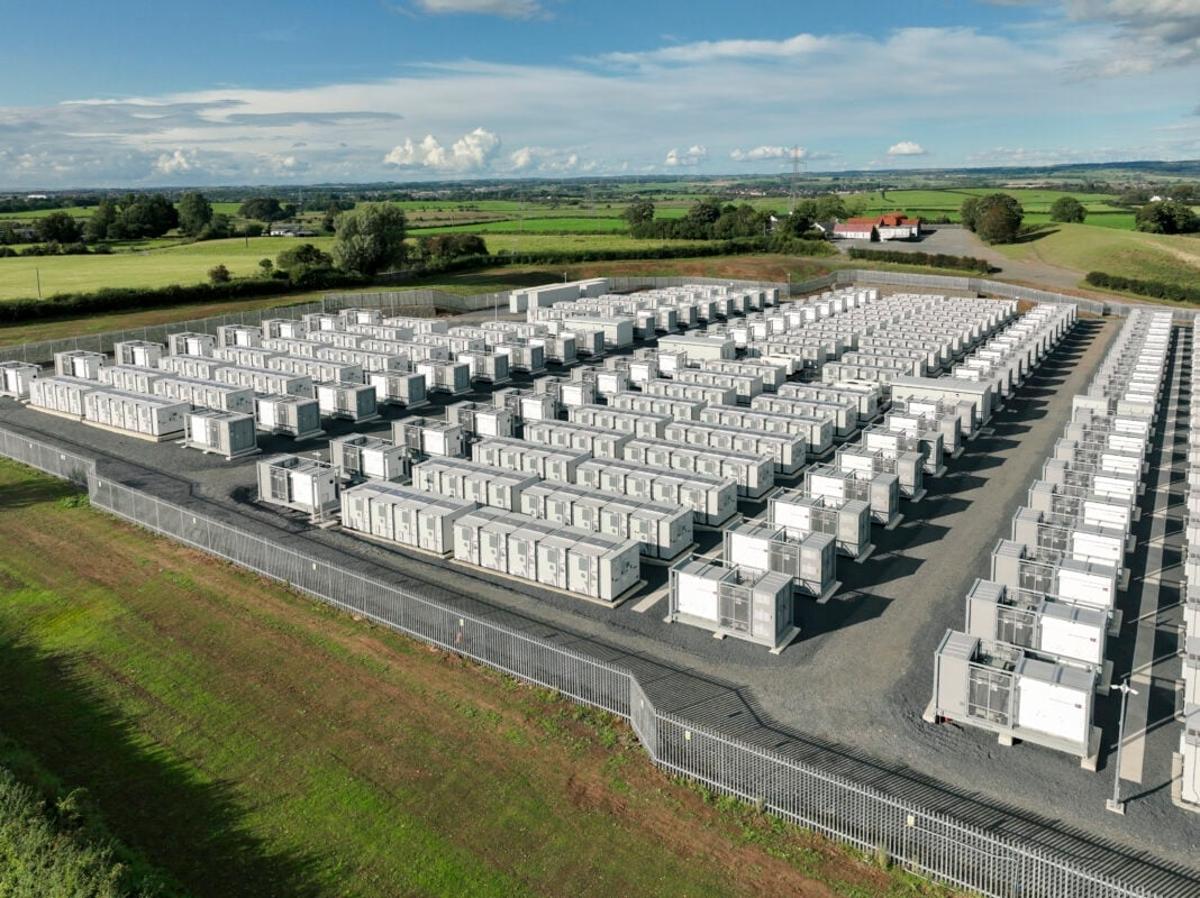
UK: Grid-Forming Batteries Miss Out in System Stability Tender as Synchronous Condensers, Gas Get Contracts
•March 3, 2026
0
Why It Matters
The decision signals a short‑term preference for proven thermal assets, slowing the transition to zero‑carbon inertia solutions and reshaping investment incentives for battery storage in the UK grid.
Key Takeaways
- •NESO awarded zero contracts to grid‑forming battery projects
- •Synchronous condensers and OCGTs secured 7.3 GVAs of contracts
- •£323 million invested in Stability Pathfinder pilot program
- •Zenobē's Blackhillock and Kilmarnock South BESS already operational
- •Industry cites criteria favoring incumbent thermal assets over zero‑carbon
Pulse Analysis
The United Kingdom’s power system is undergoing a rapid transformation as renewable generation displaces traditional synchronous generators. To maintain frequency stability, the grid requires inertia and short‑circuit services, traditionally supplied by coal, gas and nuclear plants. NESO’s Stability Market provides long‑term contracts for these services, creating a competitive arena where synchronous condensers, open‑cycle gas turbines (OCGTs) and emerging battery technologies vie for capacity. In the latest round, the operator allocated 7.3 GW‑years of contracts exclusively to condensers and OCGTs, underscoring the critical role of proven, dispatchable resources in a grid still grappling with volatility.
Battery‑forming BESS projects, despite a successful £323 million Stability Pathfinder pilot that proved they can emulate inertia, were eliminated at the technical‑assessment stage. Analysts suggest the criteria emphasized continuous, high‑power output and rapid response times—areas where thermal assets have an entrenched advantage. Moreover, the assessment framework may have inadvertently favored incumbents by requiring performance metrics that current BESS deployments have yet to consistently meet at scale. Zenobē’s Blackhillock and Kilmarnock South installations, already delivering inertia under Pathfinder contracts, illustrate the technology’s potential, yet the lack of commercial awards highlights a gap between pilot validation and market‑ready certification.
The outcome carries significant implications for UK energy policy and private investment. A perceived bias toward thermal solutions could deter capital inflows into advanced storage, slowing the decarbonisation of ancillary services. Stakeholders are calling for clearer, technology‑agnostic criteria that reward outcomes rather than legacy configurations. If NESO revises its procurement rules to accommodate the evolving performance envelope of grid‑forming batteries, the UK could accelerate its transition to a fully carbon‑neutral stability regime, leveraging the rapid response and scalability that BESS uniquely offers.
UK: Grid-forming batteries miss out in system stability tender as synchronous condensers, gas get contracts
0
Comments
Want to join the conversation?
Loading comments...