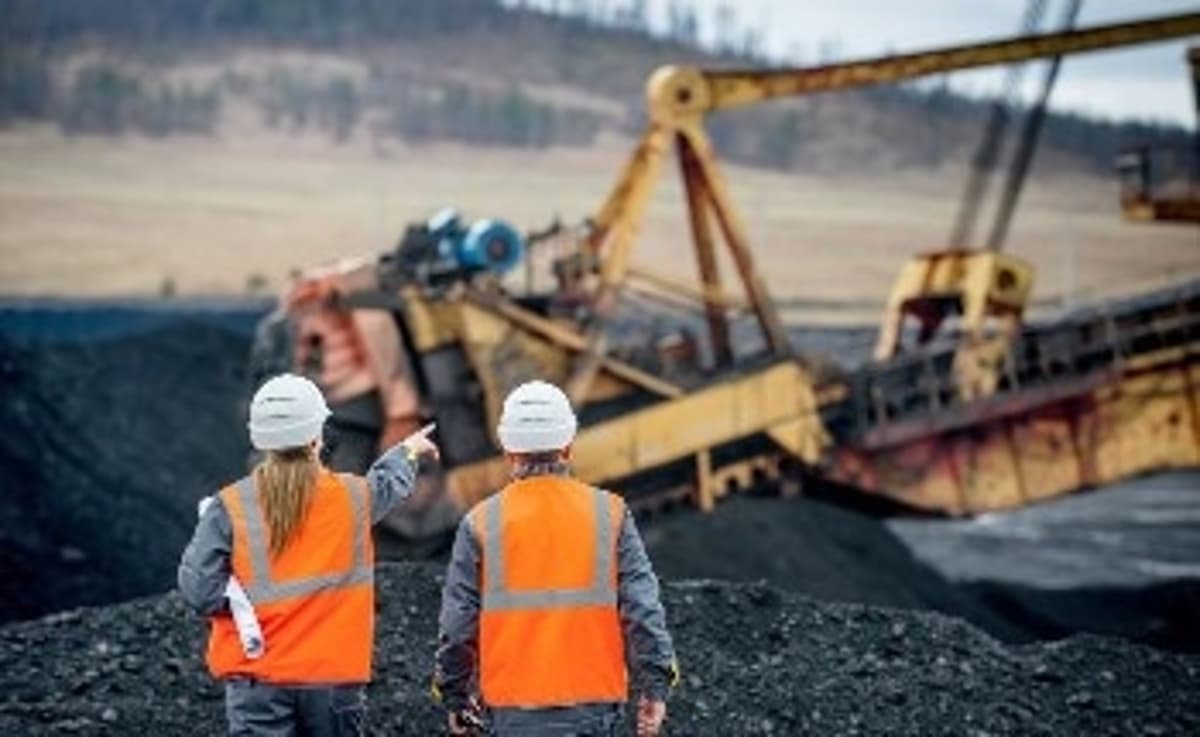
UK Scientists Reveal Clean Energy Source From Flooded Coalmines
Why It Matters
The approach turns dormant mining infrastructure into a low‑carbon heat source, accelerating the UK’s transition away from fossil‑fuel heating and supporting national decarbonisation targets.
Key Takeaways
- •2.3 MW heat capacity can serve 2,000 homes
- •Existing Gateshead project proves concept viability
- •500 m extraction well and 100 m reinjection well required
- •Payback period estimated at 10–20 years
- •Can decarbonize UK housing built over former mines
Pulse Analysis
The United Kingdom is turning a legacy of coal extraction into a clean‑energy asset by tapping the thermal energy stored in flooded mine shafts. Researchers led by Dr. 3 MW geothermal circuit could heat roughly 2,000 residences. This approach builds on the successful Gateshead heat network, which has already delivered low‑carbon heat to commercial and cultural venues.
By converting abandoned underground infrastructure into a distributed heat source, the project aligns with the UK’s net‑zero target and offers a low‑impact alternative to new fossil‑fuel boilers. The technical blueprint relies on a 500‑metre extraction well that lifts warm mine water to the surface, where industrial heat pumps and exchangers boost the temperature for district‑level distribution. A shallower reinjection well, just over 100 metres deep, returns cooled water to sustain the thermal loop. The surface footprint—roughly the size of a tennis court—fits within existing urban sites, minimizing land use conflicts. Compared with wind or solar, geothermal heat provides constant baseload output, eliminating intermittency and reducing the need for large‑scale battery storage.
From a business perspective, the projected 10‑ to 20‑year payback and the avoidance of 72,000 tons of CO₂ over four decades make the model attractive to developers and municipal utilities. Scaling the system across the UK’s extensive network of former collieries could unlock gigawatts of renewable heat, supporting the decarbonisation of residential and commercial sectors. However, upfront drilling costs, regulatory approvals, and the need for coordinated heat‑network planning remain hurdles. Continued public‑private partnerships and clear policy incentives will be crucial to translate this scientific proof‑of‑concept into a nationwide energy solution.
UK Scientists Reveal Clean Energy Source From Flooded Coalmines
Comments
Want to join the conversation?
Loading comments...