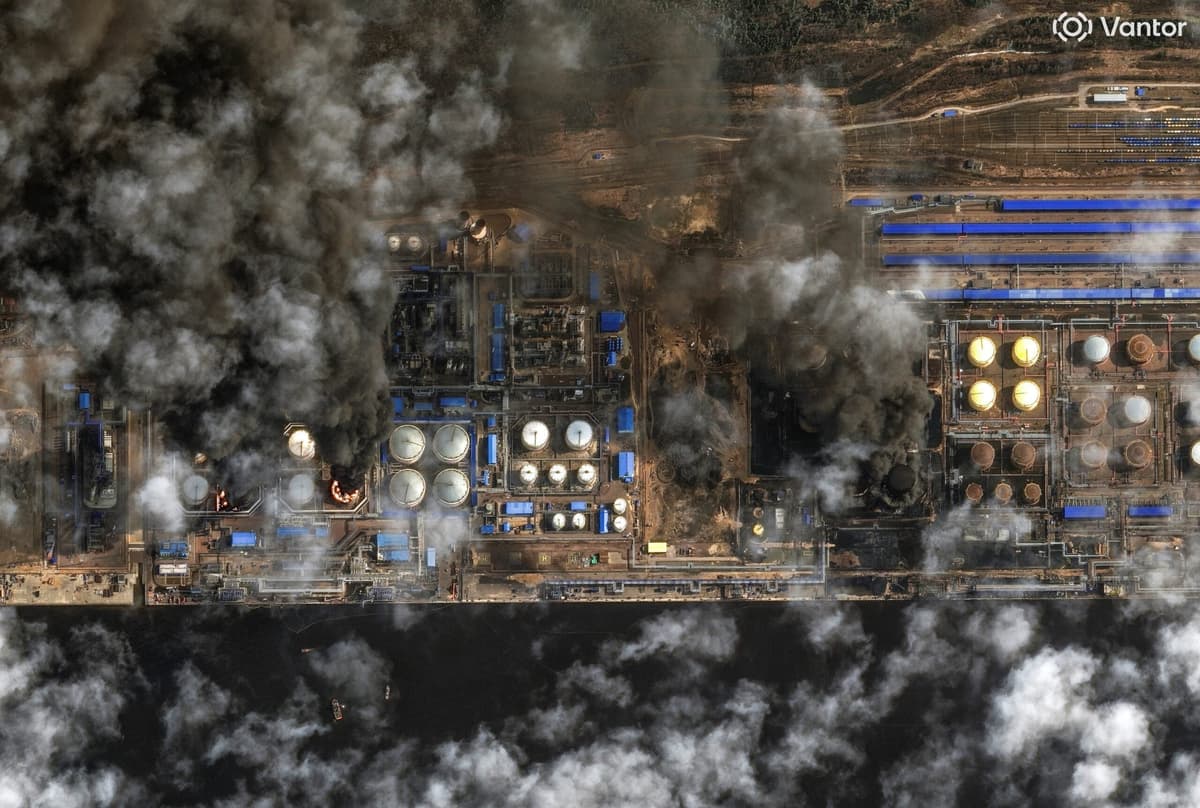
Ukraine Strikes Two Russian Refineries, Baltic Sea Port
Companies Mentioned
Why It Matters
Disrupting Russia’s oil logistics attacks a major source of war‑funding and could tighten global oil supplies, influencing prices and the effectiveness of Western sanctions.
Key Takeaways
- •Ukrainian drones hit Samara refineries in Novokuibyshevsk and Syzran
- •Vysotsk Baltic port fire extinguished after Lukoil terminal attack
- •Claimed strikes cut Russian daily oil shipments by ~880,000 barrels
- •Ukraine condemned U.S. waiver allowing sanctioned Russian oil sales
- •Additional depots in Sevastopol, Tikhoretsk, and Tuapse also struck
Pulse Analysis
Ukraine’s recent wave of drone strikes underscores a deliberate strategy to cripple Russia’s oil export infrastructure, a cornerstone of Moscow’s war‑budget. By targeting refineries, ports, and storage depots far beyond its front lines, Kyiv seeks to diminish the cash flow that fuels military operations. The campaign also serves a political purpose, signaling to allies and adversaries alike that Ukraine can project power deep into Russian territory, thereby reshaping the risk calculus for investors and policymakers monitoring the conflict.
The latest attacks focused on two Samara‑region refineries—Novokuibyshevsk and Syzran—and the Vysotsk terminal on the Baltic Sea, a key Lukoil export hub. Ukrainian officials claim the coordinated strikes reduced Russia’s daily oil shipments by roughly 880,000 barrels, a figure that, if accurate, represents a sizable dent in export volumes. The fire at Vysotsk was quickly extinguished, but the incident highlights vulnerabilities in Russia’s logistics chain, especially at ports that handle fuel oil, naphtha, diesel and vacuum gas oil. Combined with recent hits on depots in Sevastopol, Tikhoretsk and the Tuapse terminal, the pressure on Russia’s oil network is mounting.
These developments reverberate beyond the battlefield, affecting global energy markets and the efficacy of sanctions. The United States recently renewed a waiver allowing certain countries to purchase sanctioned Russian oil, a move Ukraine’s drone commander publicly condemned. As supply disruptions tighten, oil prices may experience upward pressure, complicating the policy balance for Western governments seeking to limit Russia’s revenue while avoiding market volatility. Continued Ukrainian attacks could force Russia to reroute shipments, increase reliance on overland pipelines, or accelerate negotiations, making the oil front a pivotal arena in the broader geopolitical contest.
Ukraine Strikes Two Russian Refineries, Baltic Sea Port
Comments
Want to join the conversation?
Loading comments...